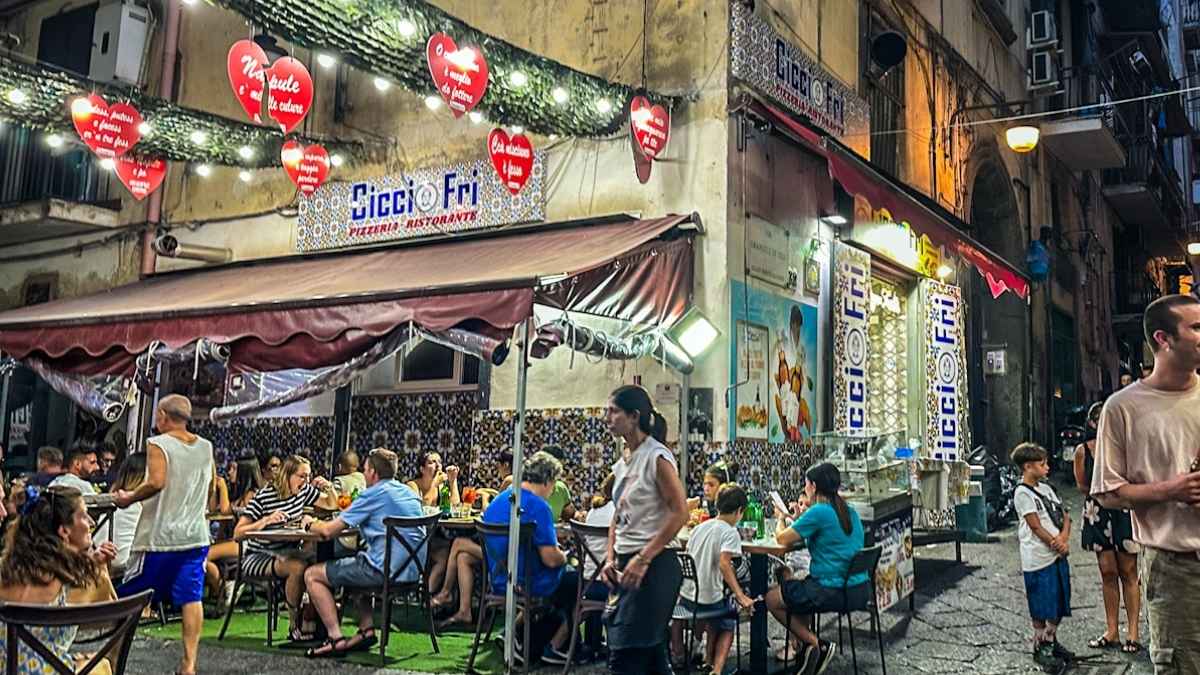
An evening in Naples
A paper tablecloth here, a starched cloth napkin there. Between these two images lies the full spectrum of Italian cuisine.
A sign on the façade – that’s usually all a restaurant reveals from the outside. What lies in store inside depends on the name – and the difference ultimately shows up on your plate and on the bill. Ten types of restaurant that Italy has to offer – and how to recognise them.
1. The Trattoria
Usually a family-run business, often with the same family at the helm for three generations. The daily specials are written on a chalkboard, the tablecloths are made of paper, and the prices are fair. If the car park is full of cars with local number plates, you’ve come to the right place.
More than just a meal: what makes eating in Italy so special
2. The Osteria
Originally, it was simply a place serving wine. Today, it usually includes a small kitchen serving a limited but well-prepared selection of dishes. Even for Italians, it is often unclear where the osteria ends and the trattoria begins.

3. The Ristorante
Things get a bit more formal here: cloth table linen, an extensive menu, and trained staff. Suitable for a birthday celebration or a romantic dinner for two, but less so for a quick lunch.
Italy's most popular city breaks
4. The Enoteca
A wine bar with a small kitchen and a wide selection of wines. A plate of salumi, some cheese to go with it, a glass of wine – and there you have your aperitivo.


5. The Pizzeria
Stone oven, long proving time, genuine craftsmanship. There’s a world of difference between soft Neapolitan pizza and crispy Roman pizza. The hallmark of a good pizzeria: the crust, tall and light, with those characteristic dark spots.
The most common tourist traps in Rome
6. The Agriturismo
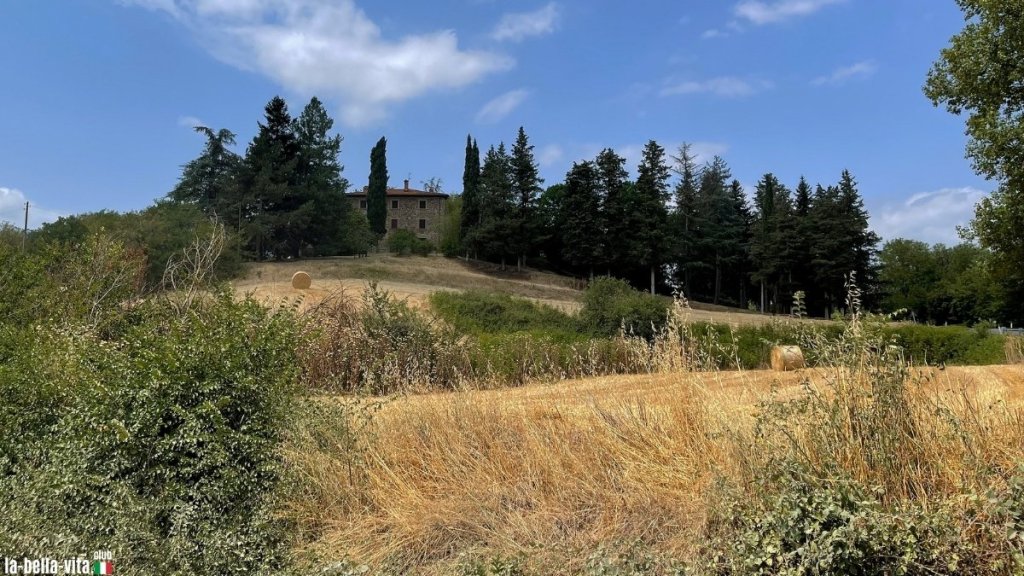
A farm with a kitchen, usually set away from the main roads. The menu features whatever is grown or grazed on the farm; there is rarely a set menu. Booking is essential.
7. The Rosticceria
The place to go for roast chicken, porchetta and baked potatoes to take away. Perfect for a spontaneous picnic on the beach or in the park.
8. The Tavola Calda
A heated counter with ready-made meals, usually found in towns and cities. Lasagne, parmigiana and stuffed courgettes are on display and are reheated.
That’s how you can tell a good Italian restaurant
9. The Paninoteca
Open sandwiches made to order, selected from a display case featuring mortadella, stracciatella and pickled vegetables. The perfect lunchtime snack when you’re short on time.
10. The Sagra
Not a fixed venue, but an open-air festival, usually dedicated to a single product: the Truffle Sagra, the Wild Boar Sagra, the Chestnut Sagra. Plastic plates, beer benches, a live band or recorded music – often the best food of the whole trip.