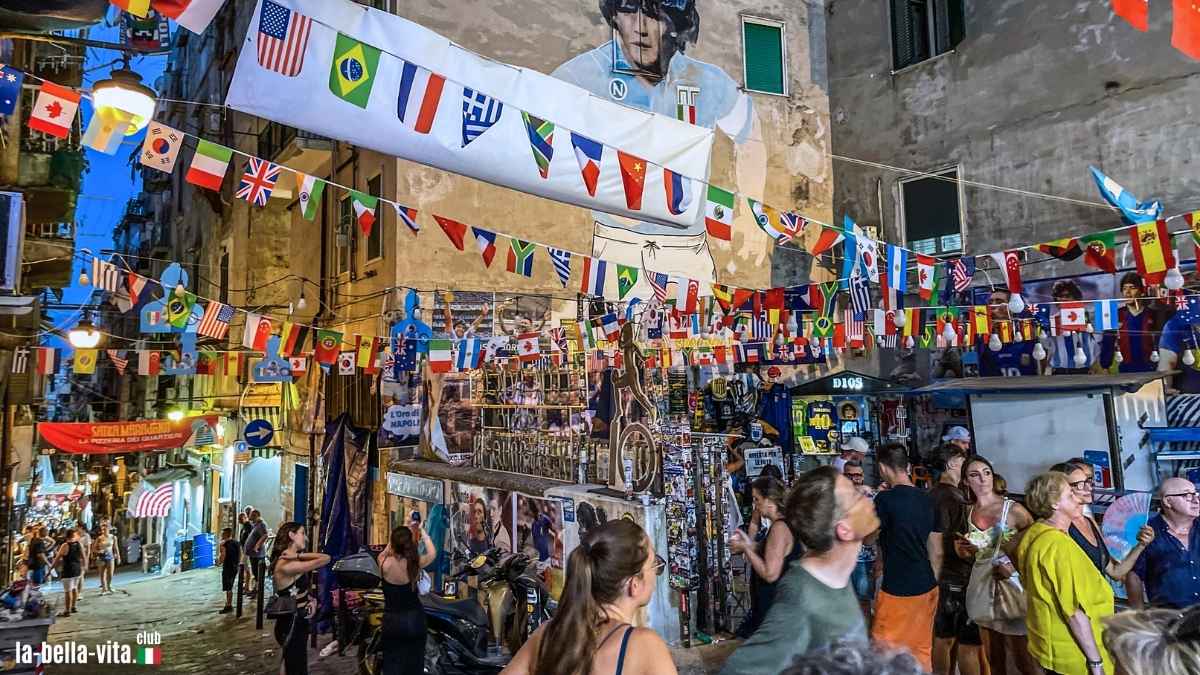
On the Maradona murals in the Spanish Quarter
The city on Mount Vesuvius is Italy's most intense experience. Naples is a place without shades of grey.
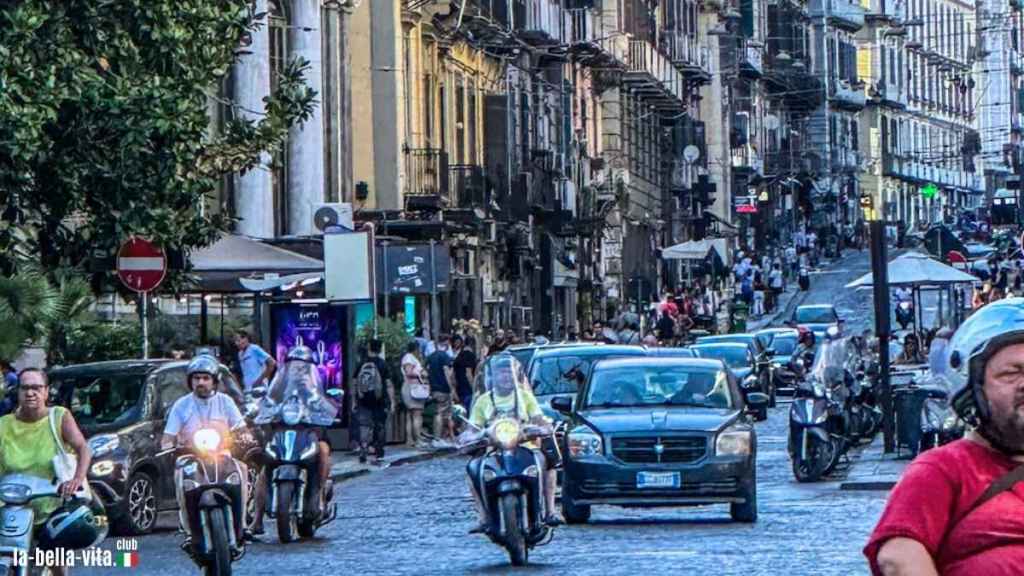
When you get off the train at Garibaldi Central Station, you are not embraced, but overrun. Naples is loud, confusing and anarchic. Mopeds use pavements as racetracks, traffic lights are non-binding recommendations. But it is precisely this chaos that has kept Italy's third-largest city pulsating for 3,000 years.


Once across Naples

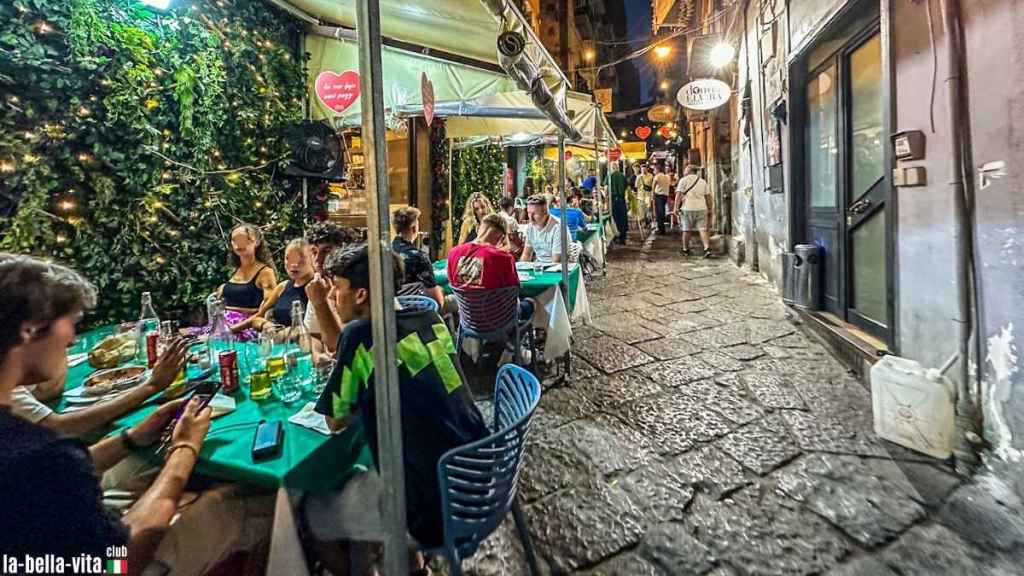
Out and about in Naples in the evening The quasi innate Italian nonchalance - here in the family version 
The old town centre in Naples: special rules apply here Traffic in Naples in Italy Maradona Murales in Naples The most famous pizza in the world in Naples 
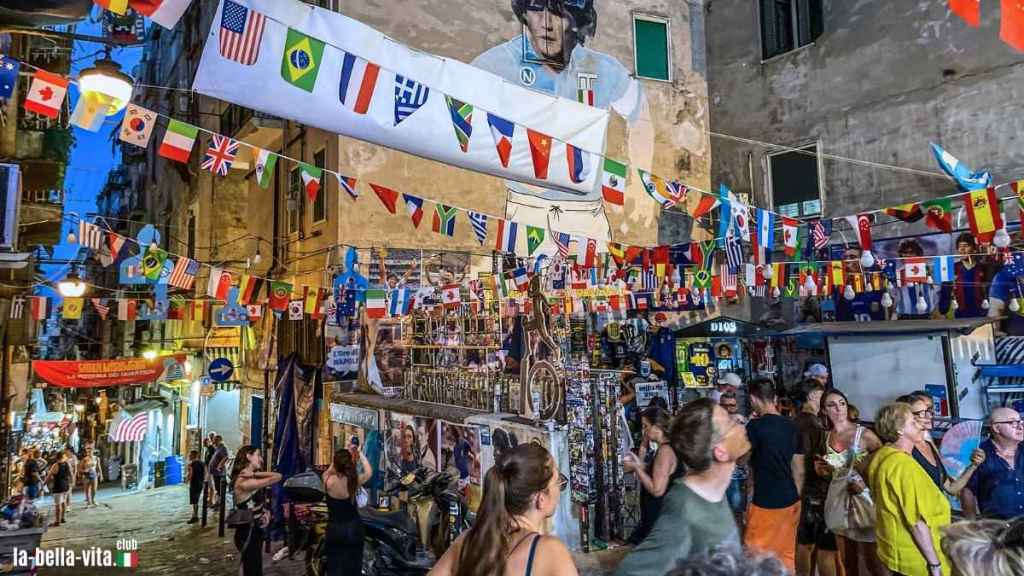
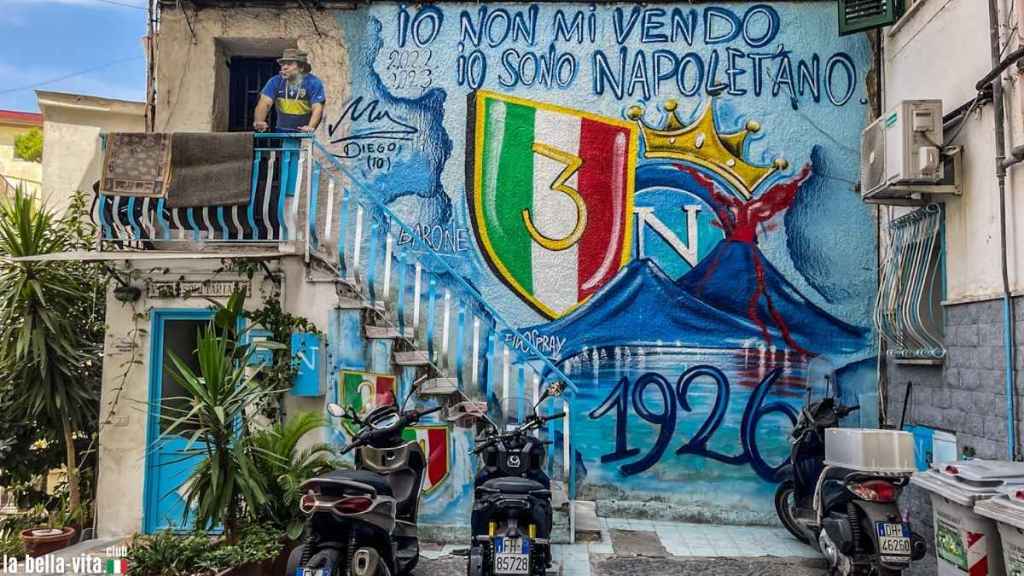
The display of a pasticceria in Naples A corner pizzeria in the Spanish Quarter A stand with lemonade More adoration for a footballer is not possible: Maradona is omnipresent in Naples 
Lungomare, the seafront promenade in Naples Il Ciottolo in Naples - the late-night eatery mainly serves sweets The first late-night bar in Naples to sell sweets after midnight This is what a traditional pizza in Naples looks like
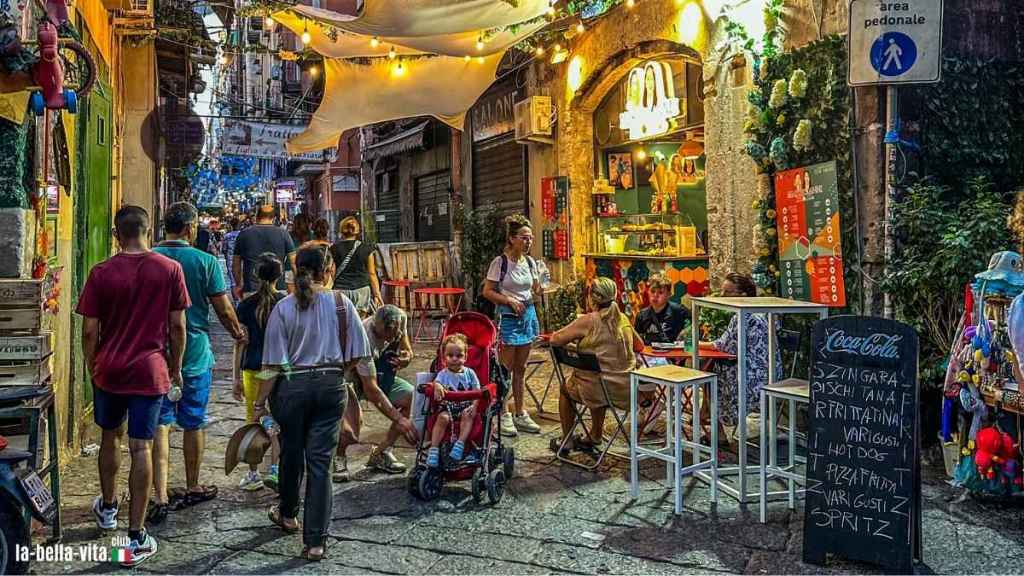






Spaccanapoli: The cut through history
The heart beats in the Centro Storico. The street „Spaccanapoli“ divides the old town centre like a ruler. Here, the plaster is peeling off the palazzi, while baroque splendour awaits inside. Naples does not hide its wealth, it stacks it up. Greek walls below, Roman ruins above, Christian churches on top. In „Underground Naples“ (Napoli Sotterranea), you climb 40 metres down through tufa caves and ancient aqueducts. At the top, Diego Maradona is worshipped like a saint. His murals are untouchable.



The classic: espresso maker from Bialetti for under 30 euros I Ad
Cuisine: Religion on a plate
In culinary terms, Naples takes no prisoners. The pizza was invented here, and it brooks no discussion: the dough must be soft, the crust (Cornicione) high, the ingredients simple. Whoever Da Michele or Sorbillo eats, waits a long time and sits cramped, but is served world cultural heritage. But Naples is more than just pizza. It is the city of street food. Frittatina di pasta (deep-fried noodle balls) or Pizza a portafoglio (folded for the hand) are available on every corner for just a few euros. The espresso is black, strong and sweetened - a fuel, not a stimulant.


Original Italian Espresso cups with thick rim for 21 euros I Ad
The situation: life on a powder keg
The beauty of Naples is dramatic, almost threatening. The gulf spreads out like an amphitheatre, dominated by Mount Vesuvius. The volcano is the silent giant in the background that preserved Pompeii and Herculaneum 2,000 years ago - today two of the most important archaeological sites in the world and only a short train ride away on the Circumvesuviana removed.
If you want to escape the urban cauldron, take the ferry. The islands are within sight: The sophisticated Capri with its cliffs, the green Ischia with its thermal baths and the colourful Procida, cultural capital and Instagram favourite.

Naples is not clean like Milan and not museum-like like Florence. It is unadorned. The city challenges its visitors. Those who embrace the noise and immediacy will experience Italy in its purest form. And in the end understand why it is so hard to say goodbye.
- More about the Aosta ValleyWhere French is spoken in Italy.
- More about Campania: Where temperament meets the Amalfi Coast.
- More about TuscanyThe region of longing for the Germans.
- More about Sicily: The temperamental island in the south.