There are cities on the water, and then there is Venice. 118 islands, 400 bridges, zero cars. The Serenissima is a logistical nightmare, but also the most beautiful labyrinth in the world.
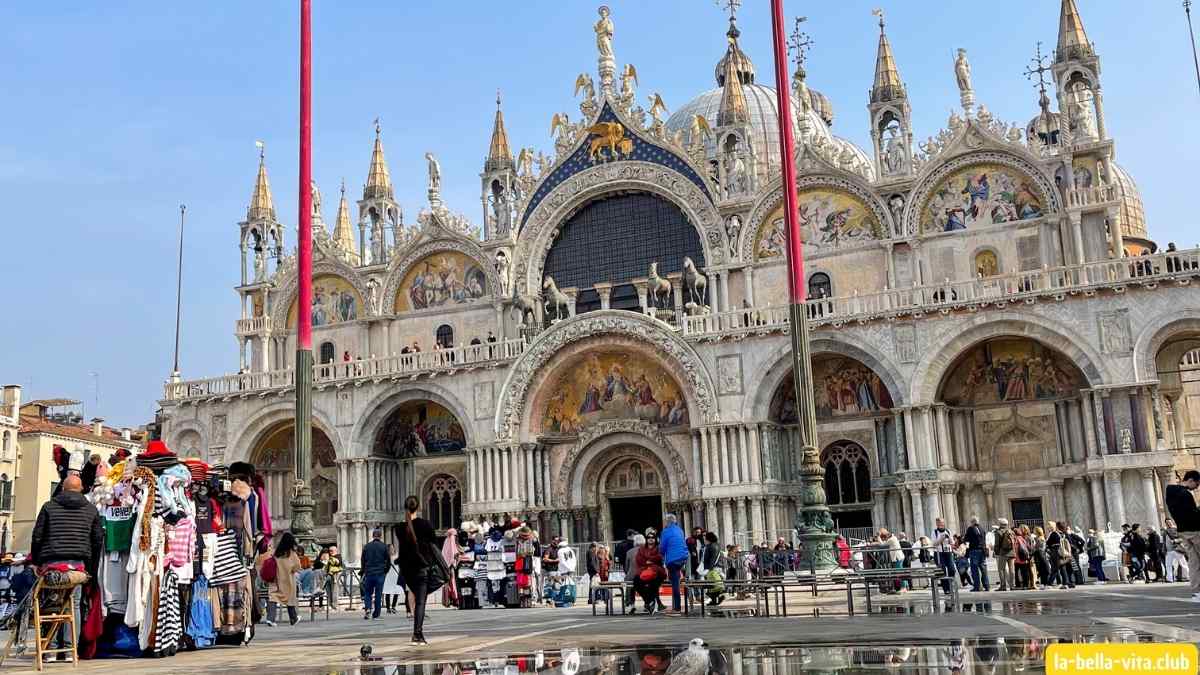
If you want to understand Venice, you have to put the map down. In the alleyways (Calli) you lose your bearings anyway, and that is the goal. Because the city has two faces: the crowded Disneyland between the Rialto Bridge and St Mark's Square, where crowds of tourists push their way through the eye of a needle. And the quiet, morbid Venice, which is often just a turn-off away.
Italy's geography: Where is what?
Venice to click through

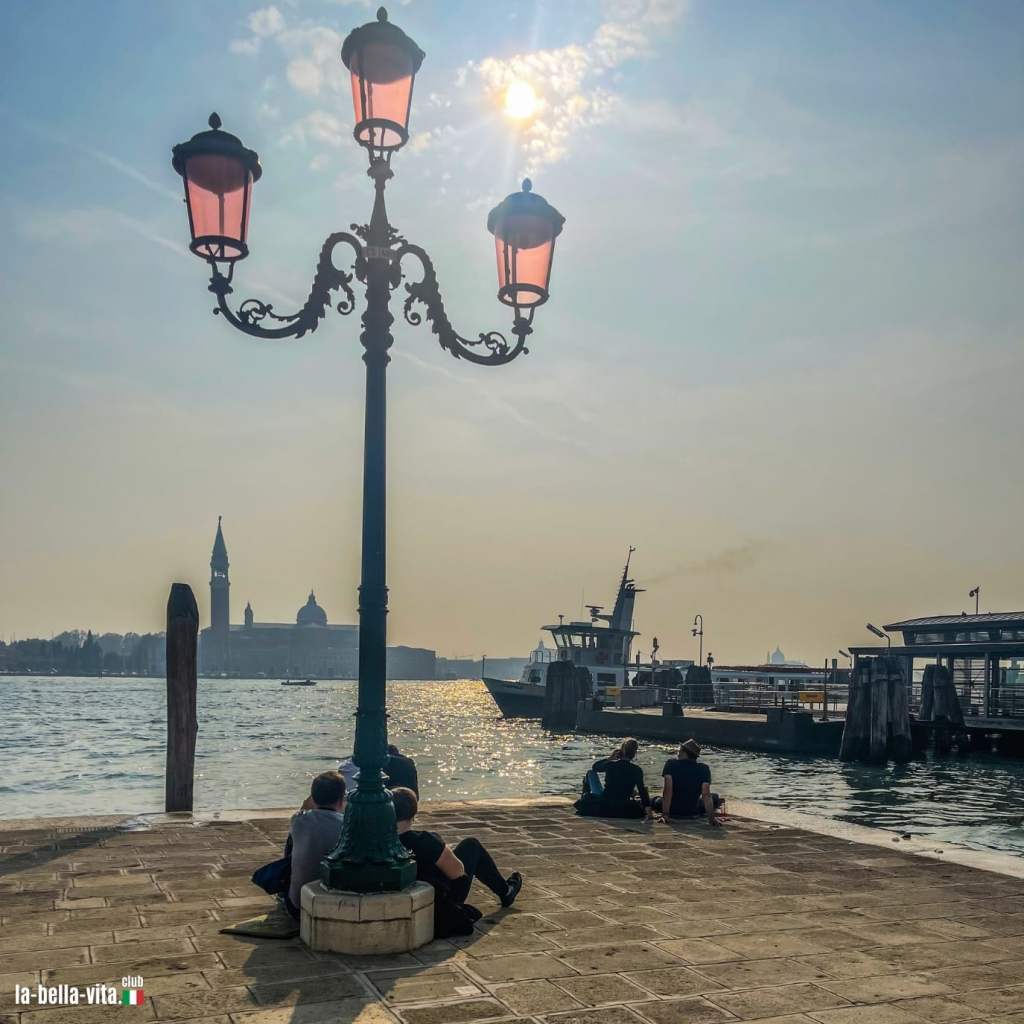
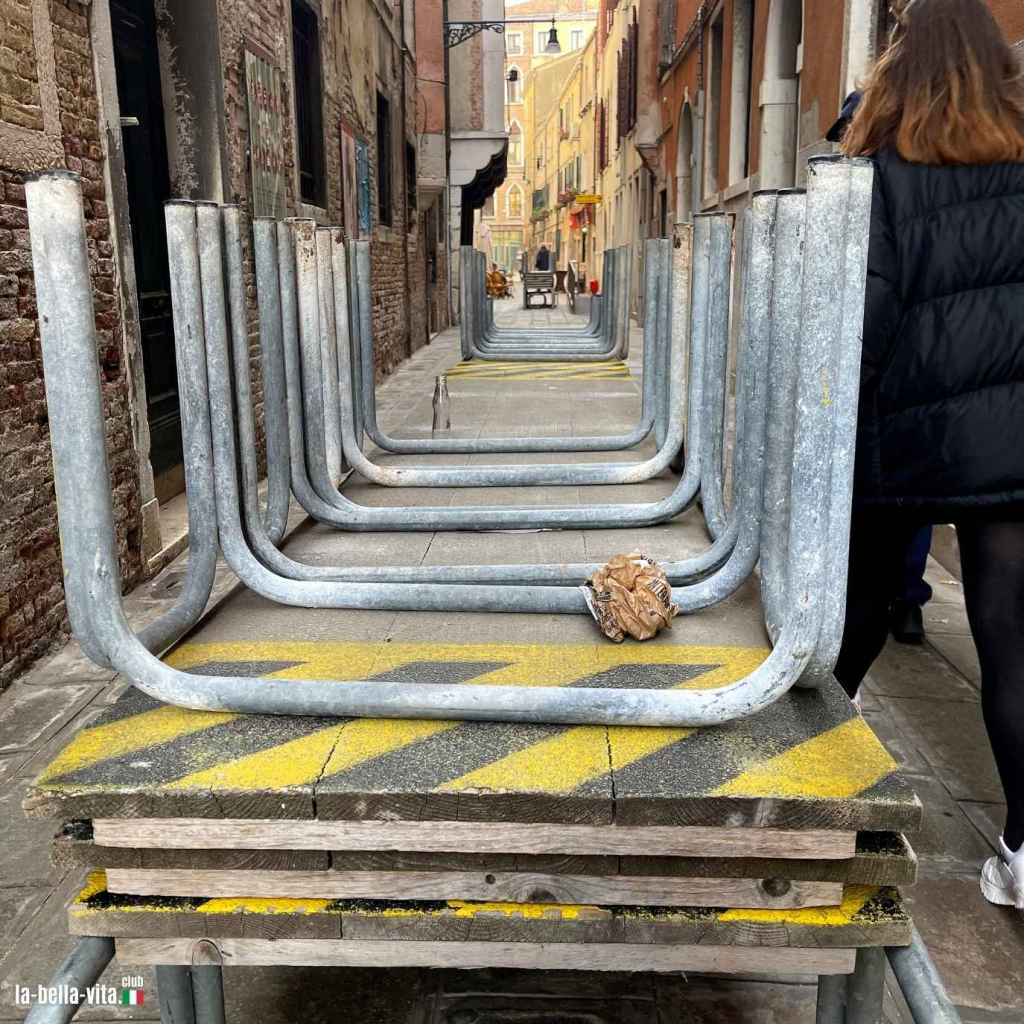
Pure autumn magic in Venice The classic lanterns of Venice in autumn light The flood bridges are ready in the alleys at the end of the year. 
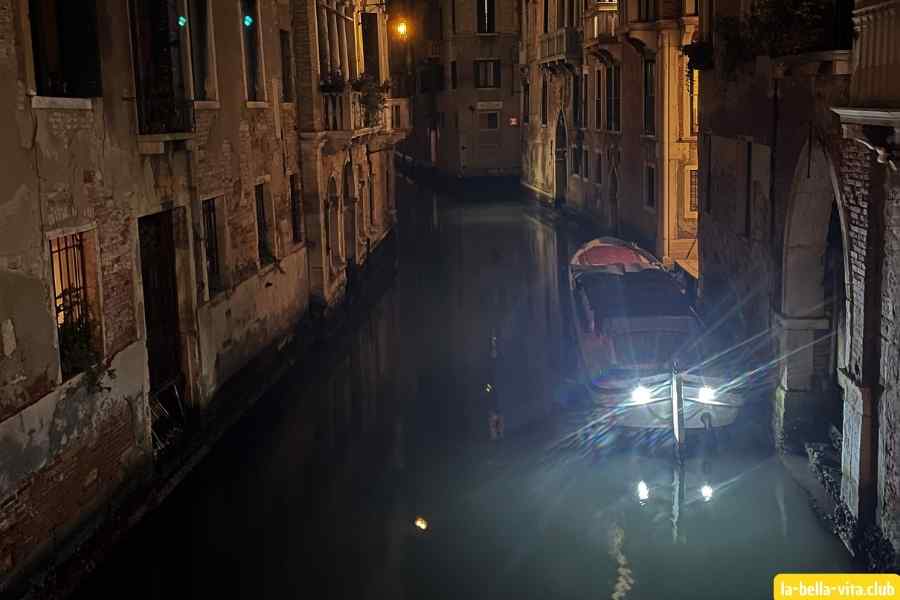
Dusk in Venice 
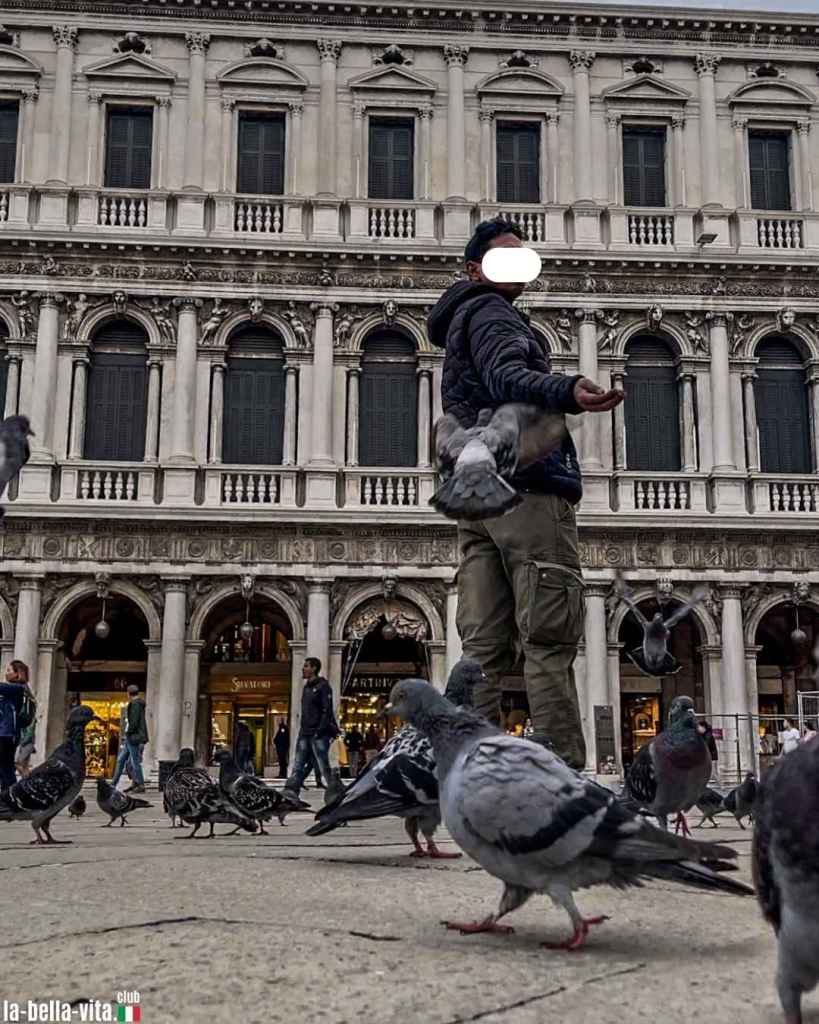
First you get the grains for free, then you are asked to pay 
An autumn day in Venice 
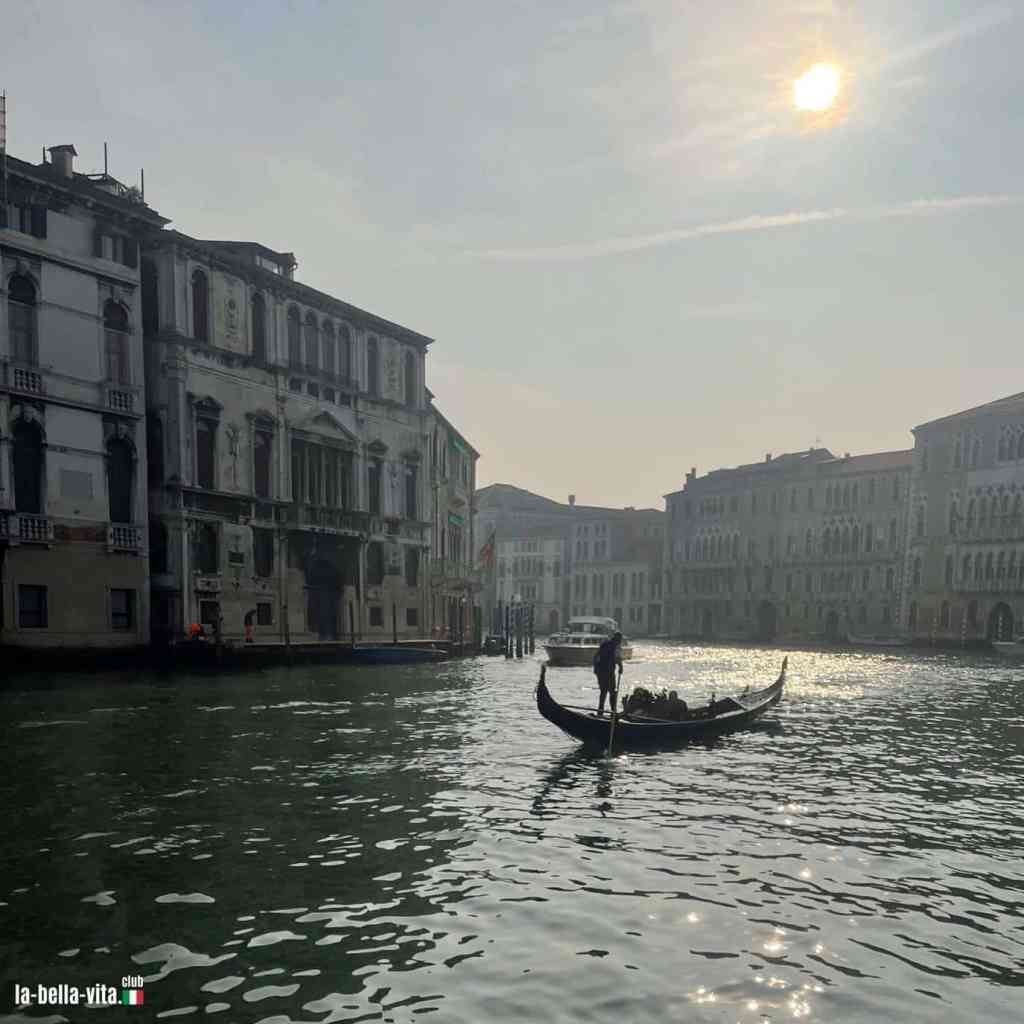
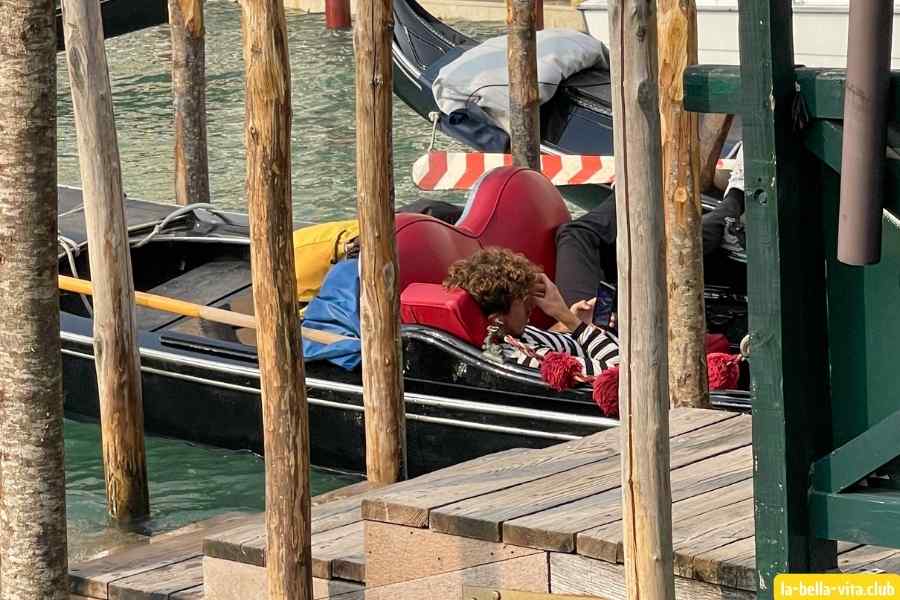
A short breather in Venice As soon as the sun comes out, the winter jacket quickly becomes too warm, like here in Venice A gondola is a must for many despite the high prices




Architecture: A palace on millions of trunks
Venice does not float, it stands on a forest. Millions of oak and larch trunks were rammed into the muddy lagoon floor centuries ago. Marble palaces, churches and history rest on them. The fact that this construction holds is an engineering miracle. The absence of cars radically changes the perception. The soundscape is unique: no honking horns, no engine noise, just footsteps, voices and the sound of the water slapping against the quay walls. Transport is hard labour here. Rubbish collection, ambulances, delivery services - everything comes by boat.


The sestieri: escape from the crowd
If you are looking for the real Venice, avoid San Marco. Real Venetians still live in the Cannaregio district in the north. This is where the Jewish ghetto is located, the alleyways are wider and the washing lines stretch across the canals. Or Castello: here, near the Arsenal, where the most powerful fleet in the Mediterranean was once built, the city is almost village-like. Dorsoduro, the student neighbourhood with the Peggy Guggenheim Collection, also offers a breath of fresh air. Here the squares (Campi) full of young people in the evening, not day tourists.
History of a legend: The Autogrill


Culinary delights: cicchetti instead of pizza
Venice is not a pizza city. Wood-fired ovens were banned for a long time due to the risk of fire. The real currency here is cicchetti. In the small wine bars (Bacari), the display cases are full of these appetisers: deep-fried seafood, baccalà (stockfish) on polenta, marinated sardines. To accompany them, you drink a Ombra (a small glass of house wine) or a Spritz Select. This is fast food in Venetian: high-quality, sociable and affordable. If you sit down in a tourist trap on the Grand Canal, you pay for the view, not the food.


The lagoon: glass and colourful facades
The vaporetto is more than just a bus on water, it is the lifeline to the islands. Murano is world-famous for its glass art - and the demonstrations in the furnaces are impressive despite the commercialism. Burano stands out with its brightly coloured fishermen's houses, which used to show fishermen the way in the fog. If you are looking for peace and quiet, head to Torcello: once mighty, today a green island with a Byzantine cathedral and hardly any inhabitants.
Venice is expensive, crowded and hot in summer. But it is unique. There is no place like it. If you get up early in the morning, when the fog still lies over the Grand Canal and the city belongs to the Venetians, you will realise the magic.
The most beautiful wine regions for autumn