
Panini as contraband. In Apulia, the hot topic of the summer has flared up: what are you allowed to take to the Lido?
It all started with a few videos on social media; the debate has now reached the realm of regional politics. Some lido operators would prefer to ban visitors from bringing their own food altogether.
What does ‘Lido’ actually mean?
The bone of contention between Gargano and Salento
From the Gargano coast down to Salento, beach club operators are opposed to visitors bringing their own food. Their concern is that anyone who unpacks their own packed lunch will give the beach club’s bar and restaurant a miss. This costs them business and damages the establishment’s image, according to the operators’ argument.
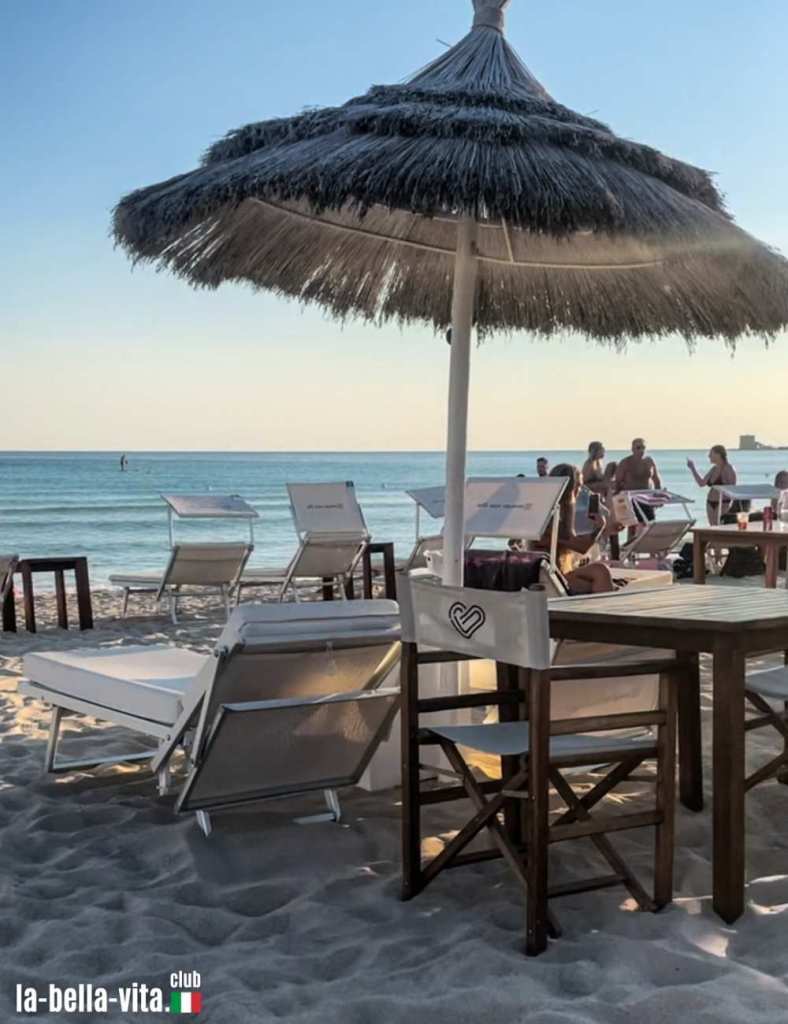
Families naturally see things differently. Anyone travelling with children quickly does the maths: a panino at the beach bar often costs five euros, which comes to twenty euros for four people just for lunch. Drinks and ice cream are on top of that.
Trattoria or Osteria: The Differences
The bill is going to be higher
The figures back up this discontent. The consumer protection organisation Adoc has calculated that prices for sun loungers and parasols in the Salento region have risen by around 25 per cent over the past five years, and in some places by as much as 50 per cent. As a result, a day at the seaside has become a real financial consideration for many families.
The regional president gives his views
Antonio Decaro, President of the Puglia Region, has spoken out on social media. He considers it absurd that packed lunches, of all things, should be blamed for damaging the region’s image, whilst sun loungers and parasols have long since reached luxury price levels. The sea, he argues, is a public good and must not become a privilege reserved for those with deep pockets.
Decaro also points to the applicable law: since 2019, single-use plastic has been banned on Apulia’s beaches, so any food brought along must in any case be served in biodegradable tableware. The beach regulations do not provide for an additional ban on bringing food onto the beach itself.


What the law actually permits
The National Consumers’ Association, Unione Nazionale Consumatori, also makes it clear: a beach club operator’s licence covers sun loungers, parasols and the infrastructure – not the food and drink consumed by guests. Bag checks at the entrance or a requirement to eat exclusively at the beach club’s own bar are therefore not permitted. Anyone who hires a parasol is allowed to bring their own bread, focaccia or salad.
Good manners remain a matter of honour
However, this right does not mean a free-for-all. Consumer protection organisations also urge people to be considerate: anyone who turns up with a camping table, chairs, barbecue and cool box and thereby blocks half the communal areas is crossing a line that site operators are also entitled to draw. Rubbish must be collected, and local regulations still apply.
A panino, some fruit and a cold bottle of water under a parasol – nobody would seriously object to that. It’s just that lunch on a beach towel shouldn’t turn into a feast with a loudspeaker.
10 mistakes during the peak season