The Amalfi Coast is considered one of the most beautiful coastlines in the world. Its history is just as spectacular as the photographs of it.
Lemon trees, scenic roads, pastel colours – everyone’s familiar with them. But behind them lies a coastline that was once a trading power and made its own rules. Seven stories that are sure to surprise even the most seasoned travellers.
The new breathalyser lock in Italy
1. A currency of its own
In the 11th century, Amalfi was a hub of trade between the East and the West – so important, in fact, that the city minted its own coins. The tarì was accepted as currency far beyond the coast.
2. Greater rights at sea
The Tabula Amalphitana was drawn up in Amalfi and is regarded as one of the country’s written maritime laws. Copies dating from the 17th century have survived to this day.





3. Positano is older than you might think
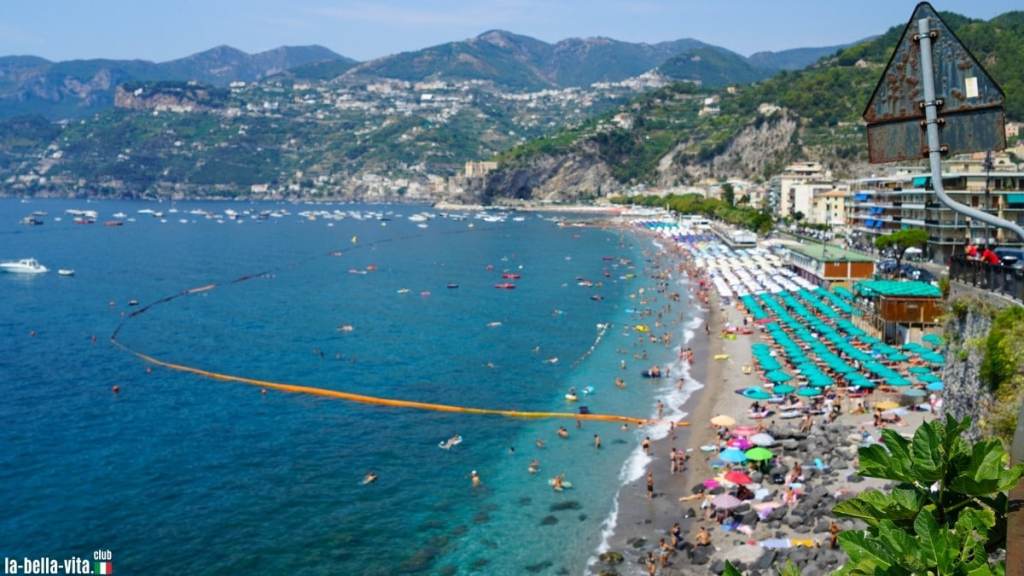
Today, Positano is an Instagram hotspot and a favourite haunt of international celebrities. In fact, the town’s roots date back to Roman times. Positano was first mentioned in a document as early as 987.
4. The smallest municipality in southern Italy
Atrani covers an area of just around 0.12 square kilometres, making it the smallest municipality on the Italian mainland in terms of area. Nestled between steep cliffs and the sea, narrow alleyways, arched passageways and stairways are crammed into a very small space – just a few minutes’ walk from Amalfi.
10 reasons to visit southern Italy
5. Where the lemons came from
Lemons arrived on the Amalfi Coast at some point between antiquity and the Middle Ages, presumably via Arab traders. They quickly became an important commodity on the Amalfi Coast. Sailors took the vitamin-rich fruit with them to protect themselves from scurvy.
6. A fashion trend from Positano
Moda Positano emerged after the Second World War, particularly in the 1950s and 1960s, when tourists bought light linen and cotton clothing. This gave rise to „Moda Positano“, a summery style featuring linen, cotton and colourful fabrics, which is still associated with holidays in Italy today.


7. A Roman villa beneath the church
Beneath the parish church of Santa Maria Assunta in Positano, eleven metres below ground, lies a Roman villa with well-preserved frescoes. Excavation work began in 2003, and it has only recently been opened to the public.
The most beautiful webcams from the Amalfi Coast
8. Wagner and Villa Rufolo
According to tradition, Richard Wagner spent some time at Villa Rufolo in Ravello in 1880 and is said to have drawn inspiration there for Klingsor’s Enchanted Garden in *Parsifal*. In his honour, Wagner concerts are still held annually in the villa’s gardens to this day.
7 things to do on the Amalfi Coast