

From our editorial team
The topic Mangiare is fundamental in Italy. It's a question of lifestyle and enjoyment. In Bella Italia, food doesn't just fill you up - food makes you happy. Incidentally, the influence of pizza and pasta is much smaller than you might think.
Italy from north to south, we eat our way through Italian specialities. From the Aosta Valley to Sicily, everything bite-sized in small bites - with Buon Appetito in any case. Attention, spoilers: The "Italian" specialities from Italy's twenty regions are totally different.
- There is no "one" Italian cuisine
- This is how the North eats...
- Mangiare in the centre of Italy!
- ...this is what you can eat in the south
- Culinary Special Cases: Sardinia & Sicily
There is not the "one" Italian cuisine
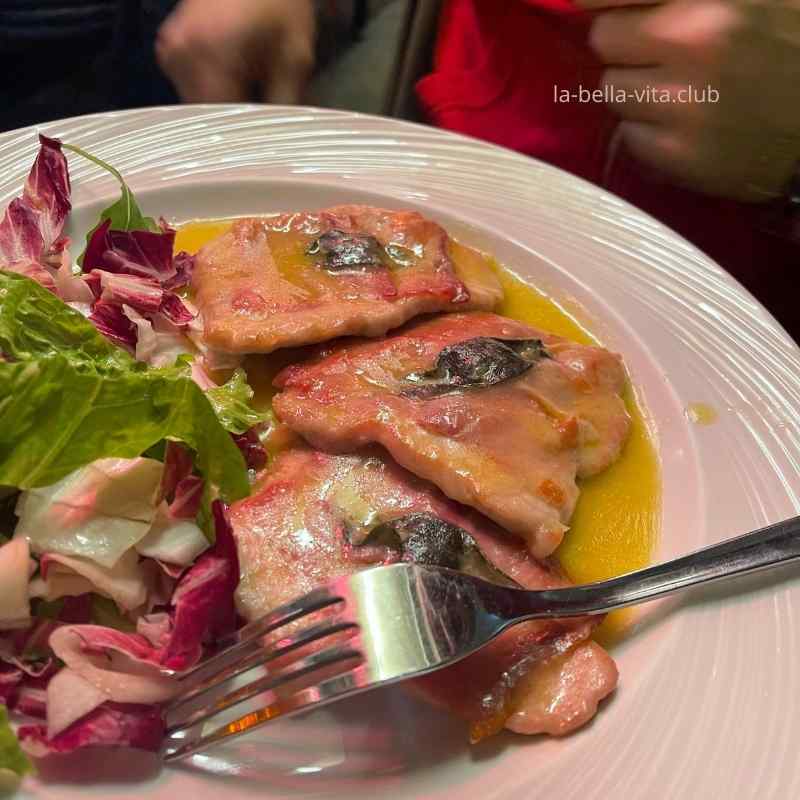


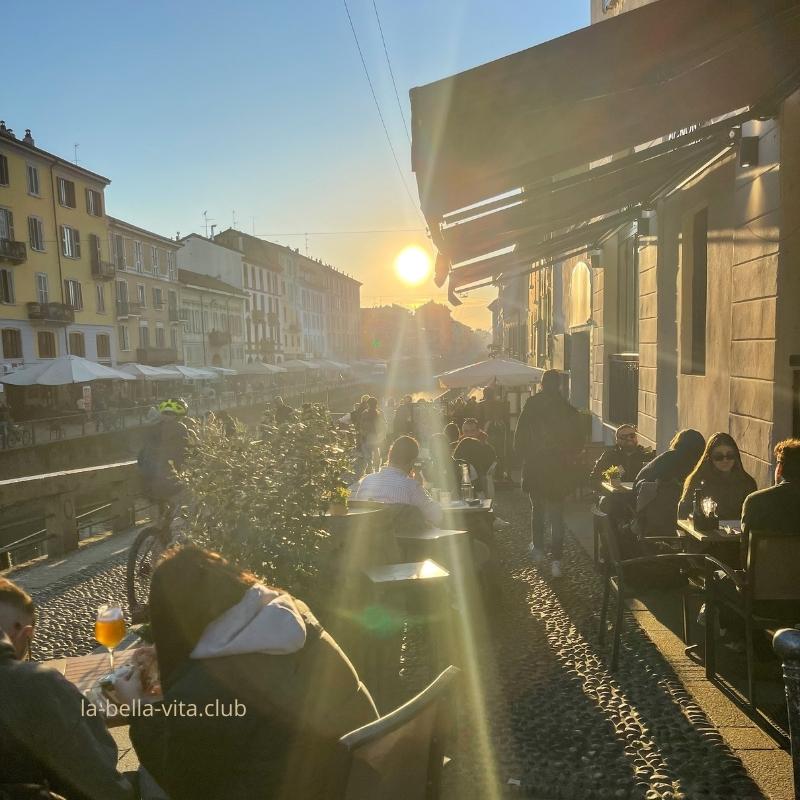

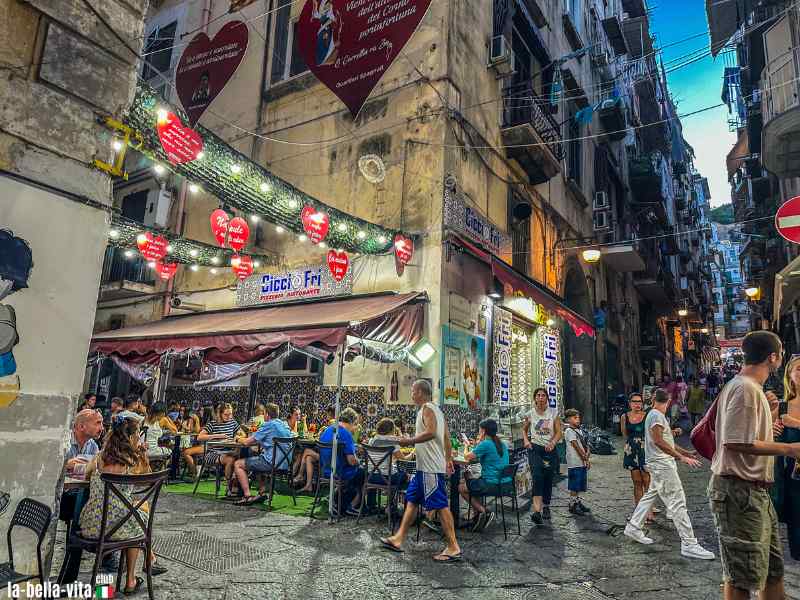

The most important finding about "Italian cuisine": There is no single Italian cuisine!
This is partly due to the considerable climatic differences between north and south. In the mountains you can eat a hearty bacon and cream sauce when it's snowing, but not when it's 36 degrees in the shade in the south. The geographical conditions also play a role: the flat, fertile Po Valley is ideal for livestock farming and grain cultivation, while the barren south by the sea is more suited to fishing. To put it simply, the north of Italy has more beef and pork, while the south tends to favour dishes with vegetables, fish, poultry or lamb.
Italy only became a nation state in 1861. As a result, the individual regional specialities have been preserved over the centuries. In any case, the people of Italy are extraordinarily keen to experiment and savour. They cultivate their recipes and continue to refine them - over generations.
- Sabaudia in Lazio: This is what Mussolini's showcase city looks like today
- Why Bologna is Italy's safest city for pedestrians
How the North of Italy Eats


The north has always been relatively prosperous compared to the rest of Italy. The cuisine here is correspondingly rich and full of ingredients.
In contrast to most other Italian regions, the north has also embraced the culinary specialities of its neighbours. Dishes from France, Austria, Hungary and Slovenia can be found on menus not only in the border regions - from goulash to Sacher torte. In the north, people generally cook with butter (in the south with olive oil). Braised meat is popular, often prepared with wine and herbs. The northern Italians rarely use tomatoes. In addition to fish from the sea, freshwater fish are also often eaten here, and in some northern regions there used to be no pasta and pizza, but rather dishes with cabbage, maize semolina and potatoes (as in the Aosta Valley).
From trattoria to pizzeria: these are Italy's restaurants
Italian specialities from the centre of the country

Emilia-Romagna is the culinary heart of central Italy.
Many gastronomic trends and well-known "Italian" specialities also come from this region, such as the idea of serving appetisers on spoons. Central Italy mainly eats pork and beef. Fish only plays a role on the coast.
Parma ham, balsamic vinegar, parmesan, mortadella, tortellini, ravioli, the Bolognese sauce (which in Italy is ragù all regional specialities from Emilia-Romagna, which are now known worldwide as "typically Italian". Even if the other regions of central Italy are less well known, they are served up with sophistication everywhere.

The cuisine of the south


The south made a virtue of its (financial) need and invented dishes that were simple but delicious. Pizza is one of them, by the way.
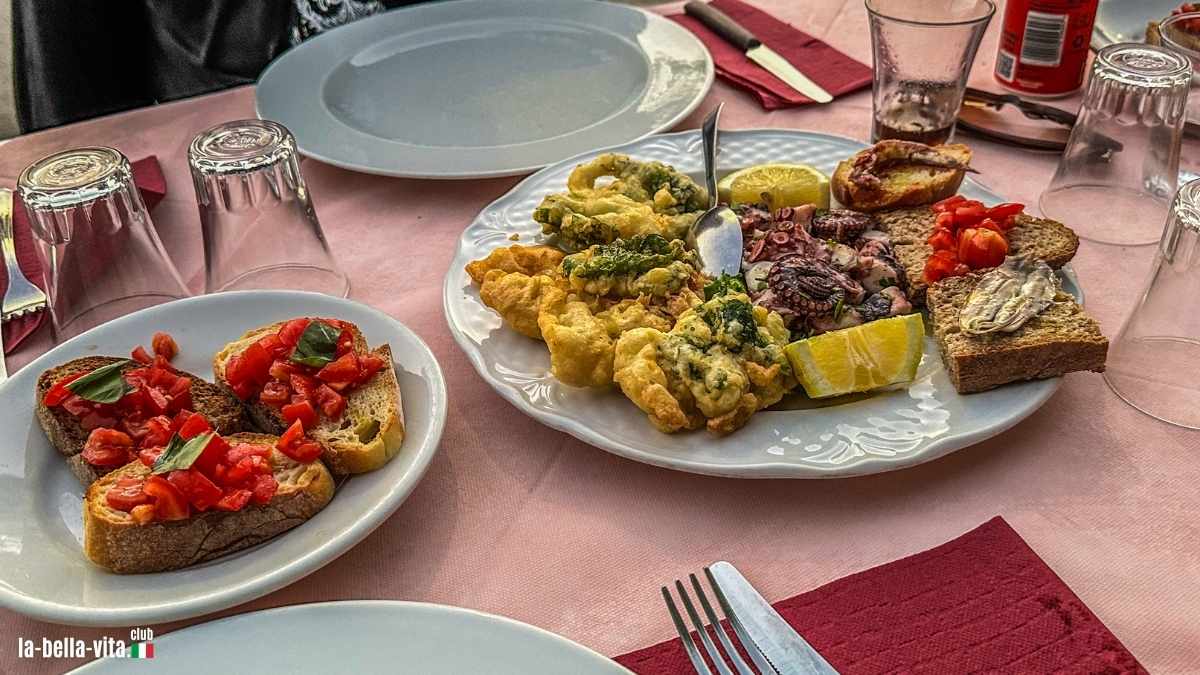
The cuisine of the south is simple and original. In the south, there are many dishes with bread and vegetables such as aubergines, artichokes, peppers and courgettes, often vegetarian. Traditionally, there is hardly any beef in the south, instead lamb, poultry, rarely pork and, on the coast, a lot of fish and seafood.
The specialities vary considerably from region to region: the cuisine of Abruzzo is rustic and characterised by mountain and lamb dishes such as the traditional "arrosticini" (lamb skewers). The world-famous bruschetta was also invented by farmers in Abruzzo. This region is famous for Neapolitan pizza, pasta such as "spaghetti alle vongole" and sweet delicacies such as "sfogliatella" and "pastiera". The cuisine makes abundant use of tomatoes, mozzarella di bufala and fresh seafood.
Apulian cuisine relies heavily on fresh, regional ingredients such as olive oil, vegetables and pulses. "Orecchiette alle cime di rapa" and "Focaccia Barese" are well-known dishes. Fish and seafood play an important role on the coast. This cuisine from Calabria is known for its spiciness thanks to chilli peppers. Dishes such as "'Nduja" (a very spicy, spreadable salami) and the world-famous "Cipolla di Tropea" (red onions). Great importance is attached to simple, strong flavours.
- Sabaudia in Lazio: This is what Mussolini's showcase city looks like today
- Why Bologna is Italy's safest city for pedestrians
Island cuisine: Sicily and Sardinia
Although Sicily and Sardinia are geographically part of Italy, they have developed completely independent and different island cuisines. So independent, in fact, that the cuisine of Sardinia has nothing to do with that of Sicily.
Sicily has been a melting pot of cultures for centuries, repeatedly occupied by invaders, while Sardinia has been able to cook its own soup for centuries, completely undisturbed next to the mainland. The Sardinians are particularly fond of game dishes, especially wild boar. Surprisingly, they don't care much for fish dishes. Pork and sheep are also popular. A Sardinian speciality is grilled suckling pig, su Porceddu. Myrtle in particular gives many dishes their typical flavour.
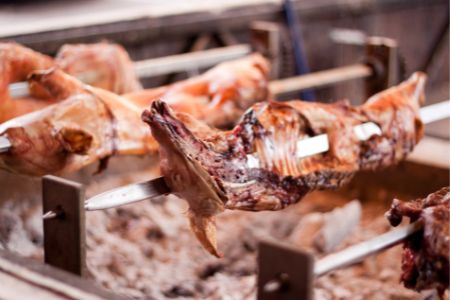
Photo: clemarca/Getty Images via canva.com
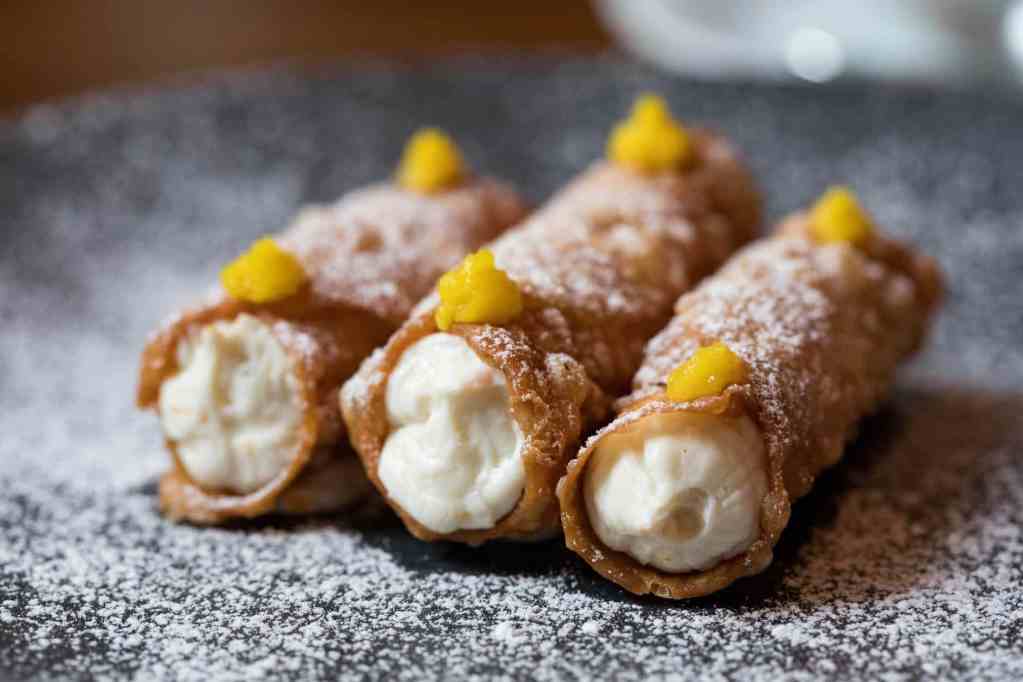
Photo by Valeria Boltneva on Pexels.com
Sicily is very different: Sicilian cuisine is a mixture of Mediterranean, Arabic, Spanish and Greek influences. It is known for its use of fresh vegetables, citrus fruits, chickpeas, olive oil, capers, almonds and fish. Frequent ingredients are also aubergines, tomatoes and ricotta. Well-known dishes include arancini, deep-fried rice balls filled with ragù, peas and cheese, and pasta alla norma, pasta with tomatoes, fried aubergines, ricotta salata and basil. The stuffed Sicilian rolls, the cannoli, have made a triumphal march throughout Italy.
Want to find out more about Italy's south - did you know that in Puglia more than 60 million olive trees or that the Naples underground is one of the most spectacular in the world?
Our latest stories from Italy


- The Dinner Dont's in Italy: This is how it tastes right!
- Italy's Gastronomy ABC: From Agriturismo to Trattoria
- From breakfast to dinner: this is how food works in Italy


