Shopping in Naples
Shop signs that sound like magic spells. Macelleria, Latteria, Salumeria – where on earth can you actually get what?
Unlike in countries where almost everything is available under one roof in the supermarket, the Italian retail sector remains proudly specialised to this day. If you know the key terms, you can shop like a local and, in the process, discover products you’d never find on supermarket shelves.
Macelleria – the butcher’s shop
The macelleria is the heart of every Italian village and mainly sells raw, unprocessed meat. It is often highly specialised as well: some butchers sell only beef, whilst others specialise in lamb. The butcher usually cuts the meat on the spot, and tastings are generally included.
Rimini: The story of the Adriatic Diva
Salumeria – Sausages and ham
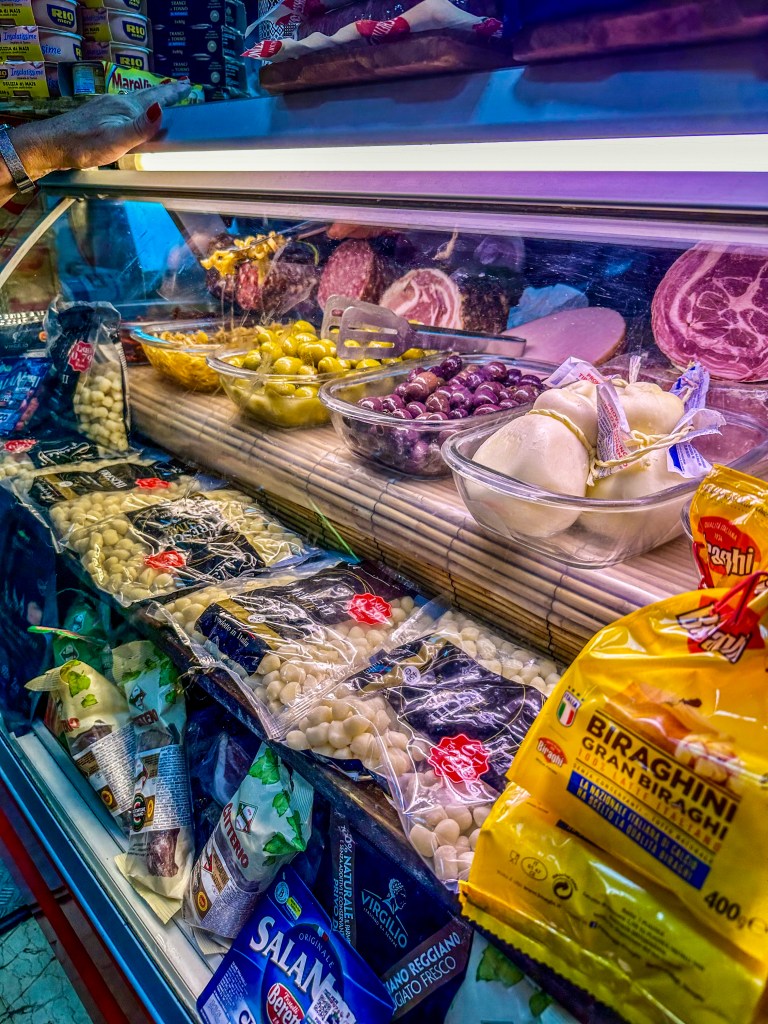
Whilst the Macelleria sells fresh, unprocessed meat, the Salumeria specialises in cured sausage and ham specialities – whether air-dried, such as salami, or cooked, such as mortadella. Many salumerie also stock cheese, so you can put together a complete aperitivo platter straight away. The shop assistant slices the produce paper-thin straight from the whole piece – pre-sliced items from the chiller cabinet are the exception here.
Latteria or Caseificio – the dairy and cheese shop
The ‘Latteria’ was originally a milk and dairy shop; today, in many places, the term refers to small shops or businesses selling dairy products such as milk, butter, cream cheese and regional cheeses. The ‘Caseificio’ is primarily a cheese dairy: cheese is produced on the premises and often sold there too, such as mozzarella, ricotta, burrata or matured varieties. These artisan specialities are particularly worth trying in the countryside.
Panetteria / Forno – the bakery
Two terms, one principle: fresh bread, often baked several times a day. Traditionally, the ‘forno’ is the place where the baking actually takes place, whilst the ‘panetteria’ is the shop – in practice, however, both terms are frequently used.
10 must-haves for a holiday in Italy

Pasticceria – the patisserie
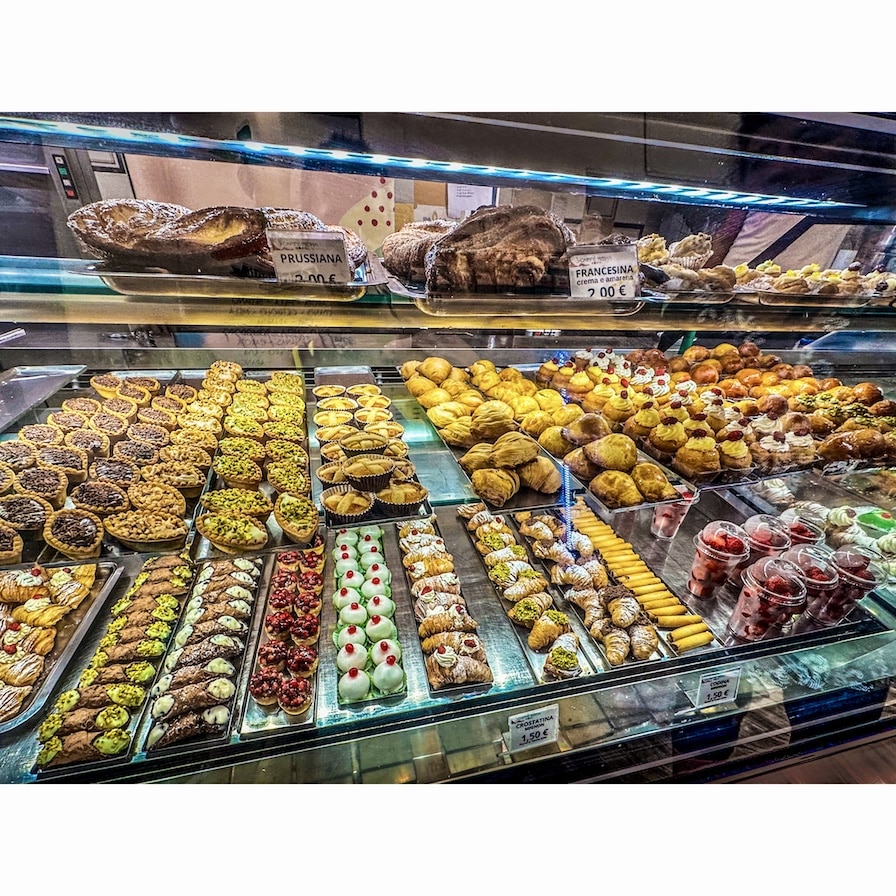
Unlike the panetteria, everything here revolves around sweet treats: cornetto, cakes and intricately crafted chocolates – but no bread. The line between this and a bar is blurred – many pasticcerie also have a coffee counter in the mornings where you can enjoy your cornetto whilst standing.
Pescheria – the fishmonger’s
A real feast for the senses, especially in coastal towns: the catch of the day is often still dripping wet on ice. A glance inside the pescheria is a sure-fire way of finding out what’s in season – more reliable than any guidebook recommendation.
Enoteca – the wine shop
Far more than just a wine shop in the German sense: many enotecas invite you to sample their wines; some have a small bar or even tables where you can enjoy a glass of wine with a few snacks. Anyone interested in regional wines will find expert advice here, with a few words of wisdom on the art of enjoyment thrown in for free.
Understanding the menu properly
Alimentari – the corner shop
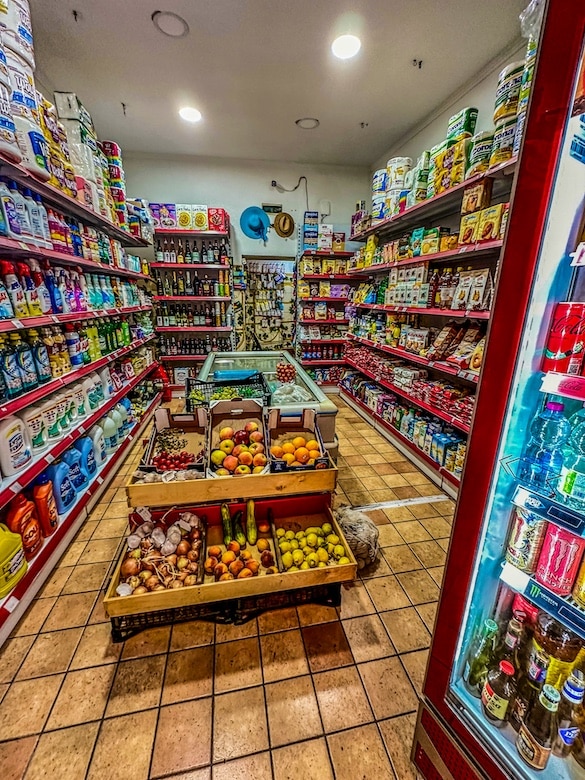
A little world of its own under one roof: pasta, tinned food, wine, and often some cheese and cold meats at the counter. The Alimentari is usually a lifesaver when you’re off the beaten track and the nearest supermarket is a long way away. The latest neighbourhood gossip is included as standard.
Drogheria – not quite the same as a German ‘Drogerie’
Watch out, it’s a bit of a minefield: historically, the Italian ‘drogheria’ is more of a shop selling spices, cleaning products and household goods – traditional cosmetics and personal care products are more likely to be found in a ‘profumeria’.
Profumeria – the perfumery
Here you’ll find what’s missing from the drogheria: perfume, cosmetics and personal care products. Unlike German drugstores, many perfumeries stock not only international brands but also small, regional perfume houses and soap makers.
Tabaccheria – the multi-purpose tobacconist’s
The tabaccheria, recognisable by its white „T“ on a dark blue background, is an Italian institution. Here you can buy not only cigarettes, but also bus tickets, parking tickets, stamps and lottery tickets. Anyone wanting to use public transport or a car park whilst on holiday simply cannot do without the Tabaccheria.
Pastificio – the pasta factory
At the pastificio, fresh pasta is made on the premises – tagliatelle, ravioli or gnocchi – and is often sold on the very same day. In many places, the pastificio is also an affordable way to stock up on a homemade pasta dish for the evening.
Travelling to Italy by car: The top 10
Cartoleria – the stationery shop
Handy for practically anything to do with paper: postcards, wrapping paper, school supplies – and in smaller towns, often the go-to place for photocopies or a quick printout.
Erboristeria – the herbal shop
A shop selling teas, natural cosmetics and herbal supplements. The ‘erboristeria’ has a long tradition in Italy and remains more firmly established in everyday life there than comparable shops in German-speaking countries.
Gastronomia – Delicatessen
A delicatessen that’s a real lifesaver: as well as ready-made takeaway meals — antipasti, lasagne, roasted vegetables, usually still warm — it also stocks exquisite delicacies such as high-quality oils, vinegars, truffle products and regional specialities.
Apulia: a new trendy destination