
A plate of "mare e monte" appetisers in southern Italy
Eating Italian doesn't just mean enjoying it, it also means understanding it. A short language course for great moments at the table.
It starts harmlessly. A cosy TrattoriaThe chequered tablecloth, the clink of glasses, the scent of garlic and sunshine. You're actually quite familiar with Italian food, you know that pizza with funghi is served with mushrooms and Spaghetti aglio e olio with garlic and Olive oilbut when you look at the menu, you still start to swim. Here we explain the most important terms so that you can get by in an Italian restaurant without Google Translate.
Why Italians cut their pizza with scissors
Before we go into detail, let's briefly review the basics. An Italian menu starts with Antipasto - literally: "before the course" and means something like ham, salami, pickled vegetables or crostini, toasted bread with liver cream. A culinary warm-up. The Primo piatto is usually a pasta dish or risotto. This is followed by the Secondoclassic meat or fish - and without anything. No garnish, no sauce. And at the very end comes the Dolcithe dessert (Here we have explained the Italian menu in detail).
Italy's menu to click through

Pizza from Naples: how to do it right! Antipasti in Campania A lemonade stand in Naples 
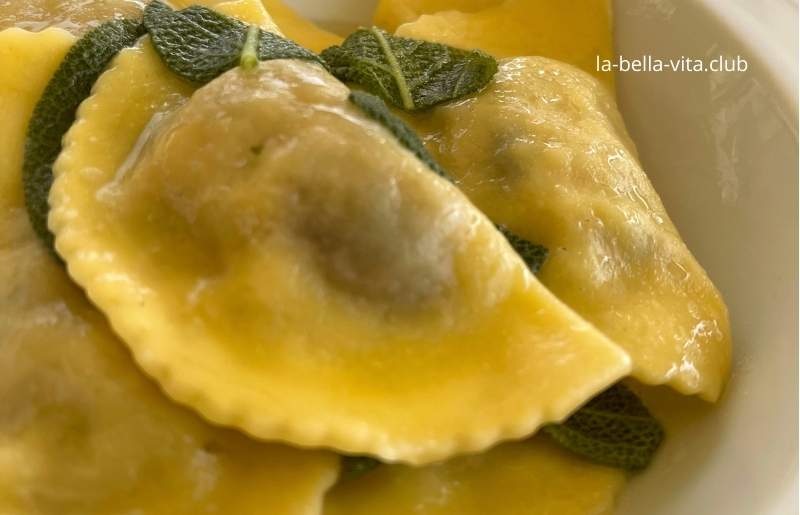
Ravioli in sage butter in Venice - delicious! PIadine from a small snack bar in Rimini 
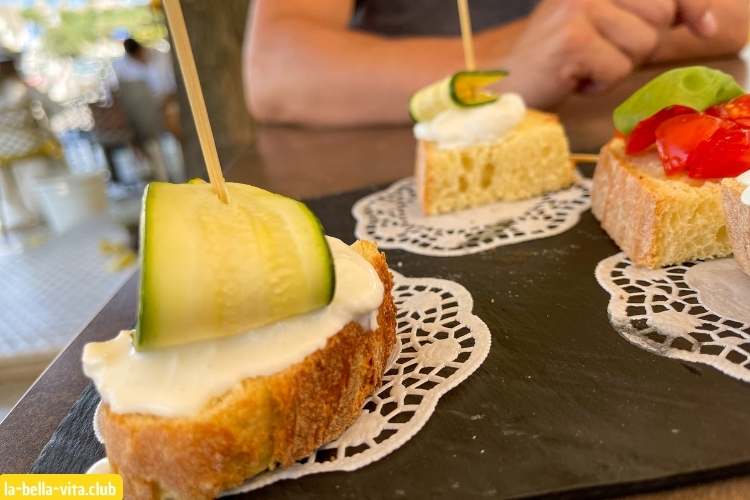
...and here is some finger food in Alberobello in Apulia Antipasti from Campania Spaghetti alle Vongole on the Adriatic Sea 
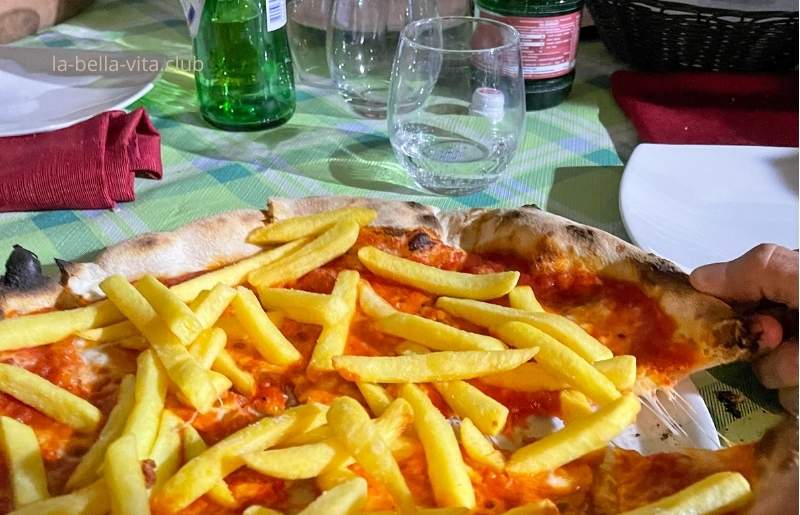
No further explanation required Especially popular in the south: pizza with fries Polenta with porcini mushrooms, served in Bergamo in Lombardy 
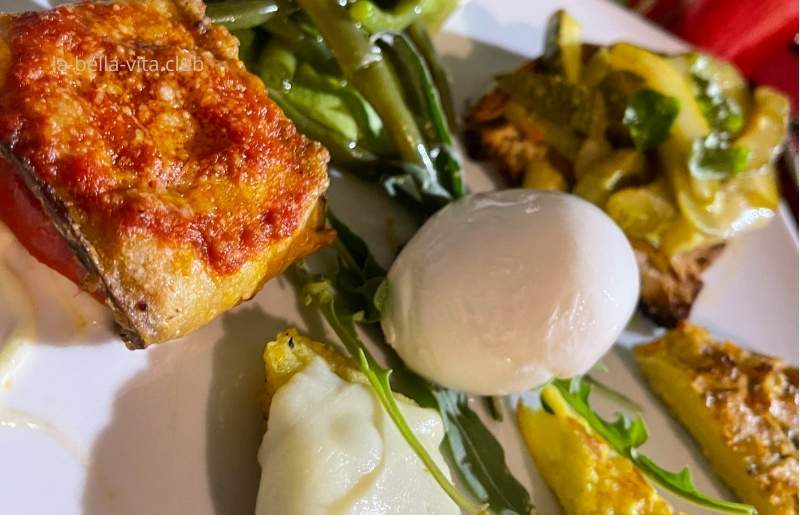
...appetisers from Campania, from the Provinicia di Salerno







Antipasto, primo, secondo? This is how Italy eats - and how to order correctly
The most important terms for a better overview
- "al forno" - from the oven, with loveWhat is al forno has experienced heat - but in a gentle way. Lasagne? Naturally al forno. Aubergine casserole (melanzane al forno)? Absolutely. Stuffed vegetables, baked gnocchi or cannelloni also bear this addition. It means: cooked, gratinated, cooked through - often with cheese.
- "alla griglia" - the fire speaksA dish "alla griglia" comes from the grill - ideally from a glowing grill over charcoal or lava stone. Pesce alla griglia is often simple, lightly coated with oil and herbs, then grilled until crispy - smoky on the outside, juicy on the inside. The Italian art of grilling thrives on omission.
- "alla sorrentina" - from Sorrento, with soul: a tribute to the coastal town of the same name to the south of Naples - and stands for a combination of tomato sauce, Mozzarella and fresh basil, usually baked in the oven. Typical dishes include gnocchi alla sorrentina: soft dumplings in tomato sauce with strings of melted cheese.
- "alla parmigiana" - when layers lead to happinessWhat is served alla parmigiana is a style of preparation that combines tomato sauce, mozzarella and Parmesan cheese pile up in layers. Best known: melanzane alla parmigiana - aubergine casserole, hot and savoury, with melted cheese and a crispy crust.
Drinking coffee in Italy: the golden rules
Ad
🏖️💶 Travelling safely on the beach: Looks like sun cream, but is a clever hiding place for keys, cash or small valuables! ➔ [Discover the beach safe on Amazon here]
Italy's sweet temptations
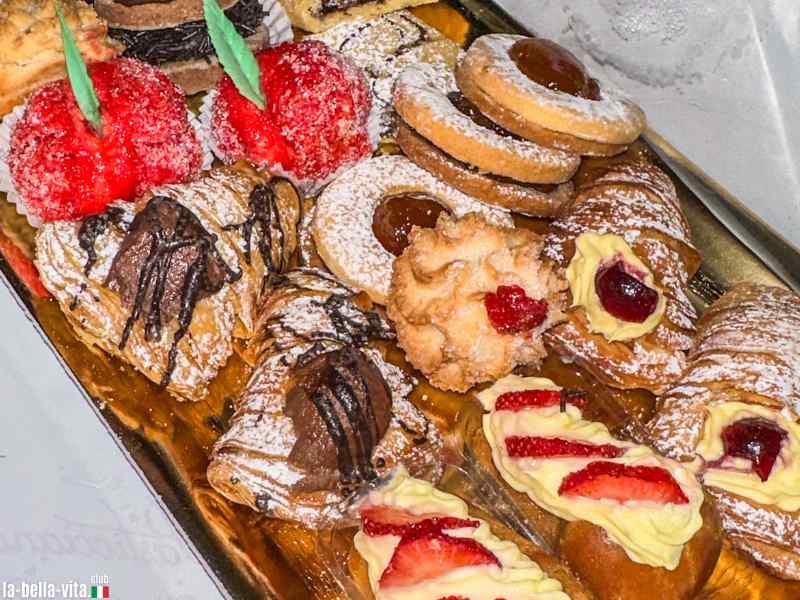
The display in a late-night pasticceria in Naples A full load of chocolate from the pasticceria in Apulia 
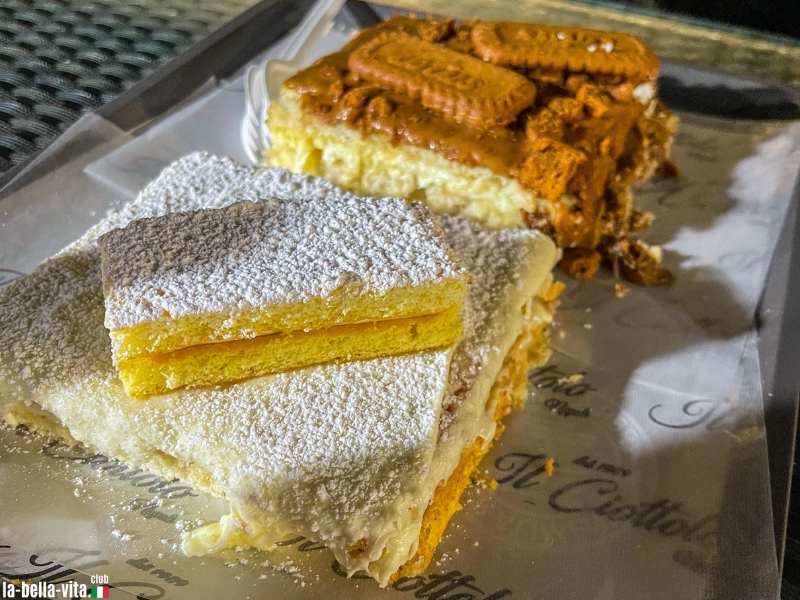
The display of a pasticceria in Naples An ice cream parlour in Florence A shop window display in Bergamo Every bite is an explosion of flavour: typical sweets from Naples Il Ciottolo in Naples - the late-night eatery mainly serves sweets Il Ciottolo in Naples - the late-night eatery mainly serves sweets Il Ciottolo in Naples - the late-night eatery mainly serves sweets Sweet seduction in Campania




- "caffè corretto" - Espresso with character. A "corrected coffee" is an espresso with a small shot of grappa, sambuca or brandy. Particularly popular in northern and central Italy,
- "contorno" - a side dish on request: A contorno is a side dish to accompany a secondo, fish or meat. It usually has to be ordered separately and you are not automatically asked for it. Whether patate al forno (jacket potatoes), salad or verdure grigliate (grilled vegetables): If you don't just want meat or fish, you have to say so separately.
- "coperto": a cover charge, which is automatically added to the bill - not to be confused with a tip. Coperto is customary in almost all regions, but prohibited in Lazio, including the capital Rome (Here are the 10 basics for restaurants in Italy).
- "crudo / cotto" - Raw is not always rawProsciutto crudo (raw) and cotto (cooked) are often found on menus - usually in connection with ham. However, prosciutto crudo is not actually raw, but air-dried, like the famous San Daniele or Parma hams. Prosciutto cotto, on the other hand, is the delicately cooked, mild cooked ham. Two worlds - one product.
Quick change of subject: Have you ever been to Rome?
You are currently viewing a placeholder content from YouTube. To access the actual content, click the button below. Please note that doing so will share data with third-party providers.
More InformationHow Italy drinks coffee: the specials
- "digestivo" - the high-proof after dinner: The digestivo is intended to help digestion and is served in the form of grappa or limoncello, for example. The amaro (the "bitter") is a sub-genre of its own, the bittersweet herbal liqueur such as Ramazotti, Fernet Branca or Amaro del Capo. In Italy, digestivo is not a liquor to be downed, but an invitation to linger.
- "frittura mista" - the golden messFrittura mista is a "mixed fried food" - and therefore much more than just a crispy gimmick. It is often served as frittura di pesce: small squid, prawns, anchovies, perhaps a piece of sea bass - in a fine batter coating, fried hot. Sometimes combined with deep-fried vegetables. The whole thing is served on a plate or in a paper bag - savoury and crispy.
- "menù fisso" - A lot of eating, little thinking: If you want to eat well and cheaply at lunchtime, ask for the menù fisso or menù del giorno. A fixed Menu with two to four courses, water, wine and often a coffee. Not much choice, but regional home cooking.
- "piatto unico": a "single plate" with a complete meal (as an alternative to the multi-course menu). Instead of separating carbohydrates (primo) and proteins (secondo), everything comes together on one plate.
Ad
🏖️💶 Travelling safely on the beach: Looks like sun cream, but is a clever hiding place for keys, cash or small valuables! ➔ [Discover the beach safe on Amazon here]
- "saltato / saltate" - Fast and refinedSaltato comes from saltare - to jump. And this is exactly what happens in the pan: vegetables, mushrooms or side dishes are tossed at a high temperature with a dash of oil - in other words, they are "allowed to bounce". Verdure saltate are the counterpart to heavy creamed vegetables: crunchy, flavourful, minimalist.
- "tagliere" - The art of selectionA tagliere is literally a chopping board - but on the menu it is a feast: a wooden board with salami, ham, cheese, olives, sometimes with honey or jam. Ideal for sharing. And if you order tagliere misto, you get a bit of everything. Those who say tagliere di formaggi prefer just cheese. Often for two people.
Pasta, basta! Italy's famous pasta
Ad
🇮🇹☕ What would a real espresso be without the right cup? Get that bar feeling right at home! ➔ [Discover here at Amazon]