The coffee’s been ordered, everyone’s in high spirits – and then the waiter serves a glass of warm milk.
Over the years, certain terms have become ingrained in our minds that mean something completely different south of the Alps. If you’re familiar with these ten typical examples, you’ll avoid confused looks and burnt tongues, and be able to order like a regular from day one.
1. Cornetto

Almost always a croissant, usually filled with jam, cream or chocolate – for breakfast at the bar. It’s got nothing to do with ice cream in a croissant, even if the name sticks in your mind from the adverts.
2. Crossbar
In German, it’s a coffee drink; in Italian, it’s simply milk. If you order „un latte“, you’ll be served a glass of milk – not a latte. That’s called a „caffè latte“.


3. Pepperoni

In German, they’re the spicy pods you nibble on; in Italy, they’re just ordinary peppers. If you like it hot, ask for „peperoncini“.
What’s the difference with mozzarella?
4. Grocery shop
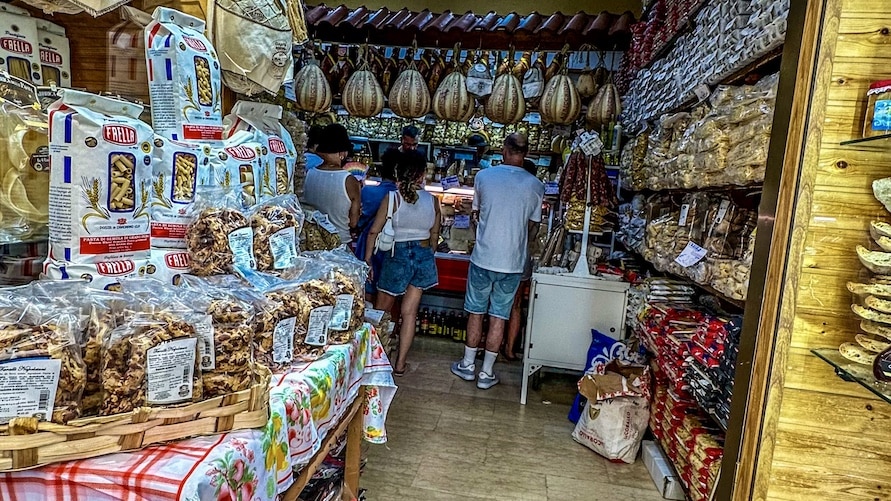
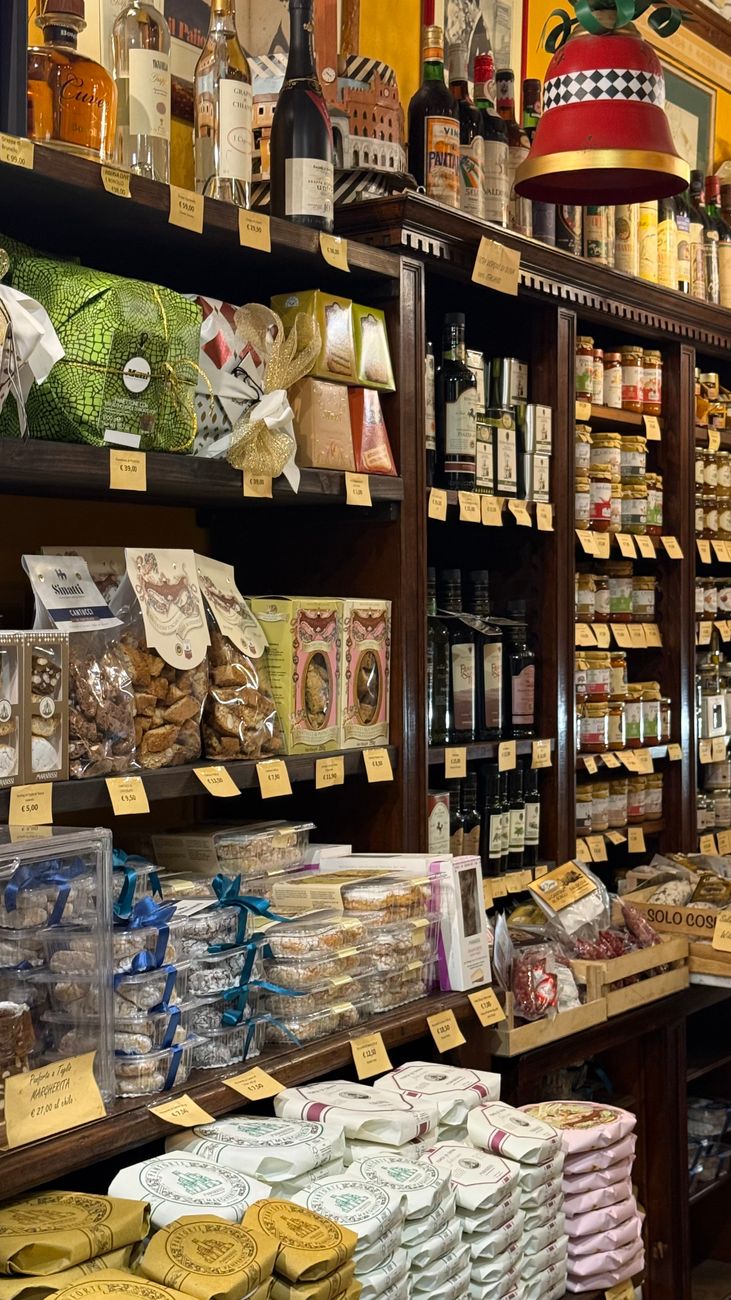
Not a chemist’s selling shower gel or toothpaste, but a traditional shop specialising in delicatessen goods, oil, wine and spices. Medicines are available at the pharmacy.
5. Company
This refers to a signature, not a company. „Firma qui” simply means „sign here“. The word for ‘company’ or ‘business’ in Italian is ‘azienda’ or ‘ditta’.
6. Camera
Not a camera, but the room – *camera da letto*, for example, meaning the bedroom. The camera is called a *macchina fotografica*.


7. Caldo
It sounds like „cold“, but it actually means ‘hot’. Anyone who orders ‘acqua calda’ in a restaurant because it sounds familiar will be served hot water instead of cold. You’ll realise the difference all too painfully once you’re in the shower, if not before.
8. Morbido
It brings to mind something morbid or sickly, but actually means ‘soft’ – when referring to bread, clothes or sofas. A ‘pane morbido’ is a compliment.
9. Bar

Not a pub, but the place to grab an espresso on the go, a Cornetto and a quick glance at the paper. In the mornings, the bar is a breakfast spot; during the day, a place to pop in; and in the evenings, it’s sometimes the spot for an aperitif – it rarely serves alcohol on its own.
10. Confetti
Not colourful paper scraps, but sugared almonds, which are handed out at weddings and christenings. In Italian, paper confetti is called ‘coriandoli’.