
Rome is emptying, the coastlines are filling up, and on this day, the same sign hangs on almost every shop door in Italy: „Chiuso per ferie.’."
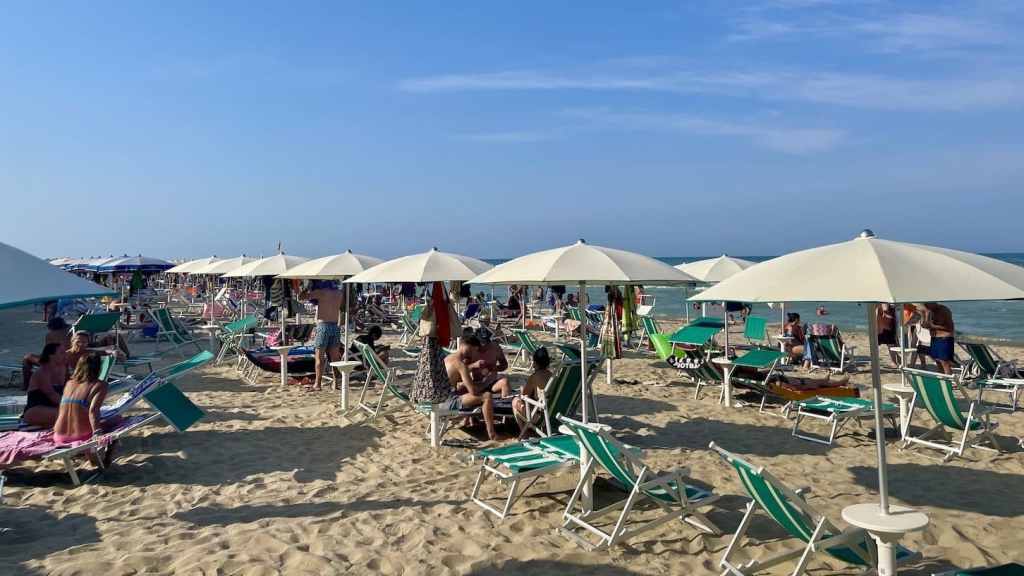
Ferragosto falls on 15 August – a public holiday throughout Italy and, at the same time, the day on which the country is split in two: empty town centres here, packed beaches there.
10 things Italians do differently in summer
An emperor invents a public holiday
The name Ferragosto dates back to the Feriae Augusti, which Emperor Augustus introduced following his victories over Mark Antony and Cleopatra. On 13, 14 and 15 August 29 BC, he organised three days of celebrations in Rome. Of these annual celebrations, only 15 August later became a public holiday – throughout the Roman Empire.
The hotspots and their alternatives
Italy in the height of summer

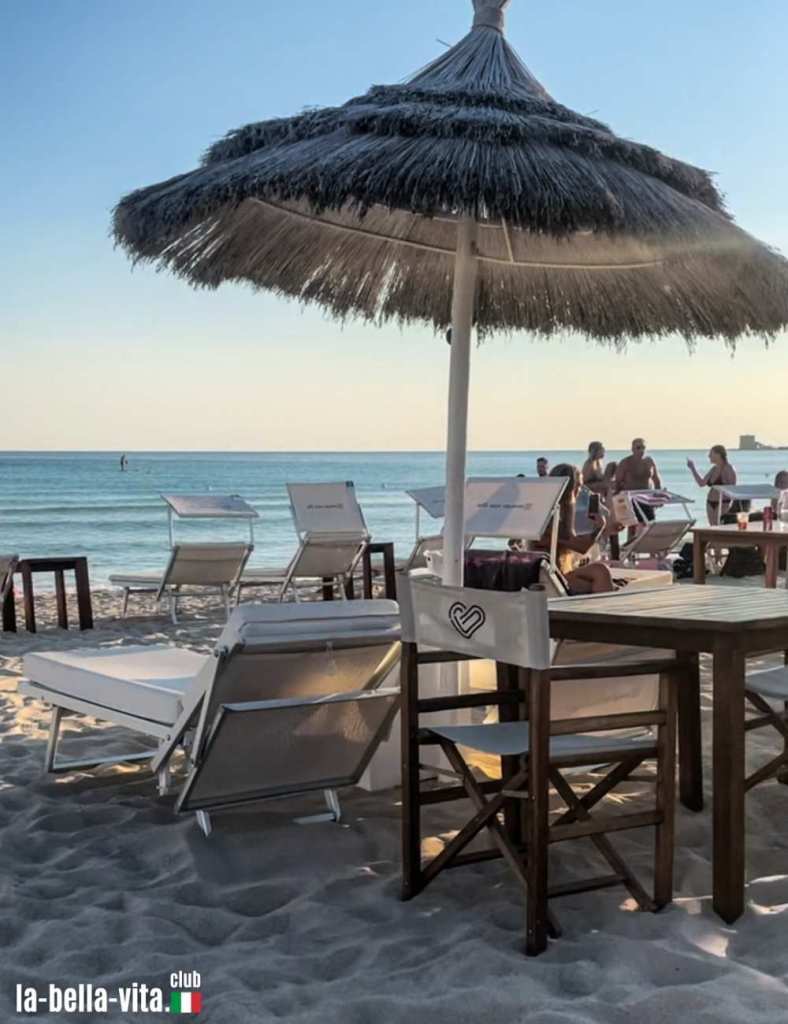
15 kilometres of sandy beach for walking in the Maremma region of Tuscany An evening on the beach at Gallipoli in Apulia What a sunset on the beach at Gallipoli On the beach in Rimini 
The almost endless beach of Rimini on the Adriatic Sea 
In this glamorous lido in Porto Cesareo in Apulia, two sunbeds cost a good 100 euros a day The endless beaches on the Adriatic coast, here in Rimini Wow! Sunset on the endless beach of Rimini 
Sunset in the bay of Polignano a Mare in Apulia 
The sunset on the beach in Gallipoli in Apulia The Maremma coast in Tuscany 
Crystal-clear water on the beach at Gallipoli in the Gulf of Taranto





The Emperor’s Festival becomes the Feast of the Virgin Mary
As part of the process of Christianisation, the Catholic Church set the Feast of the Assumption on the same date – 15 August. The pagan festival of victory thus became a church holiday: to this day, Ferragosto is both a religious holiday and a secular summer festival.


The Great Exodus
In the days around Ferragosto, millions of people leave their cities at the same time, heading for the seaside or the mountains – with hours of traffic jams to boot. It’s not just offices; many small shops, bakeries and restaurants also close around 15 August for one or more weeks. The reason is simple: when the majority of customers are away on holiday anyway, it’s hardly worth staying open.
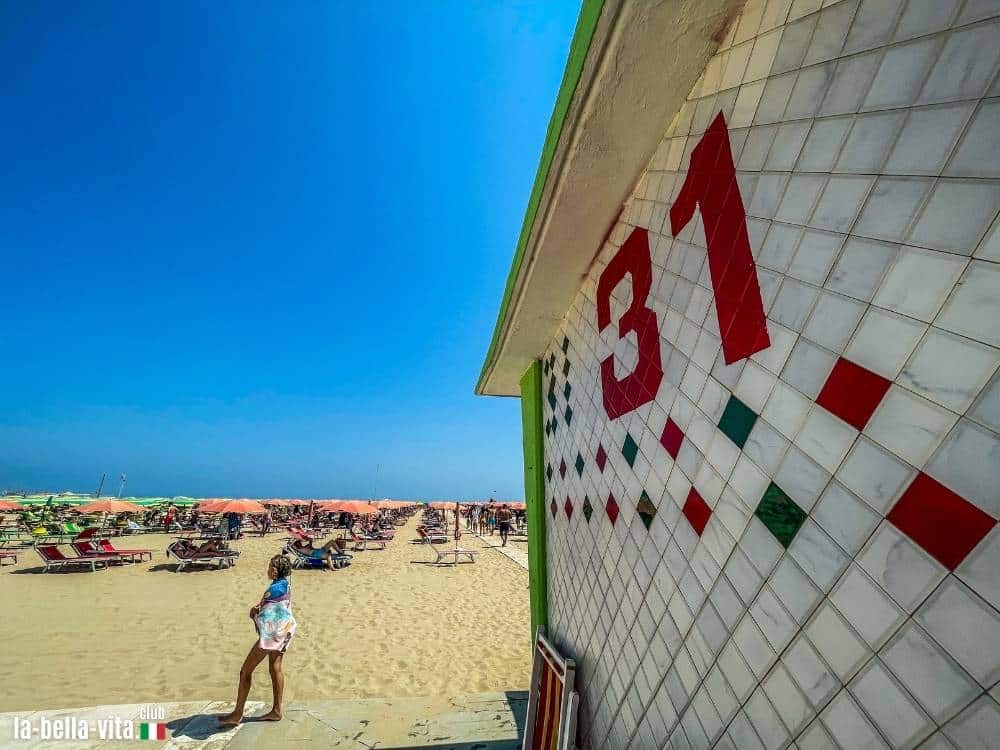
In seaside resorts, it’s the other way round: Ferragosto is a very busy time there. Despite the surge in holidaymakers, Ferragosto remains, at its heart, a family day. Traditionally, everyone gets together on this day, often for a long lunch outdoors, whether on the beach, in the garden or in the countryside.
The Ancient Romans and lasagne