
From our editorial team
Trattoria, osteria, pizzeria or rather enoteca: in Italy you are spoilt for choice when it comes to eating out. Not all restaurants are the same. There are considerable differences when it comes to the choice of dishes and prices.
Here is an overview of the most common types of restaurants in Italy, from A for agriturismo to T for trattoria, in alphabetical order. How to eat in Bella Italia - an overview:
Agriturismo, Bar, Birreria, Enoteca, Gelateria, Osteria, Sprizzeria, Paninoteca, Pasticceria, Piadineria, Pizzeria, Ristorante, Rosticceria, Spaghetteria, Sprizzeria, Trattoria
Agriturismo

No longer an insider tip, but you won't find fresher food almost anywhere: an agriturismo is a farm that offers overnight accommodation and often also has its own farm restaurant, where farm and regional produce is usually prepared and authentic rural cuisine is served. The menu here is usually small, the flavours usually big.
Agriturismo has been officially permitted in Italy since 1985. The law was intended to promote tourism in less developed areas and the rural economy - and the concept worked: Today, there are around 25,000 registered agriturismo businesses in Italy.
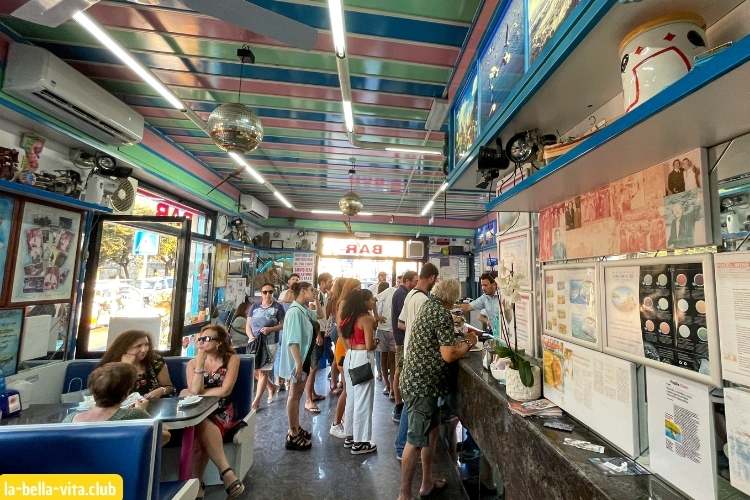
Bar
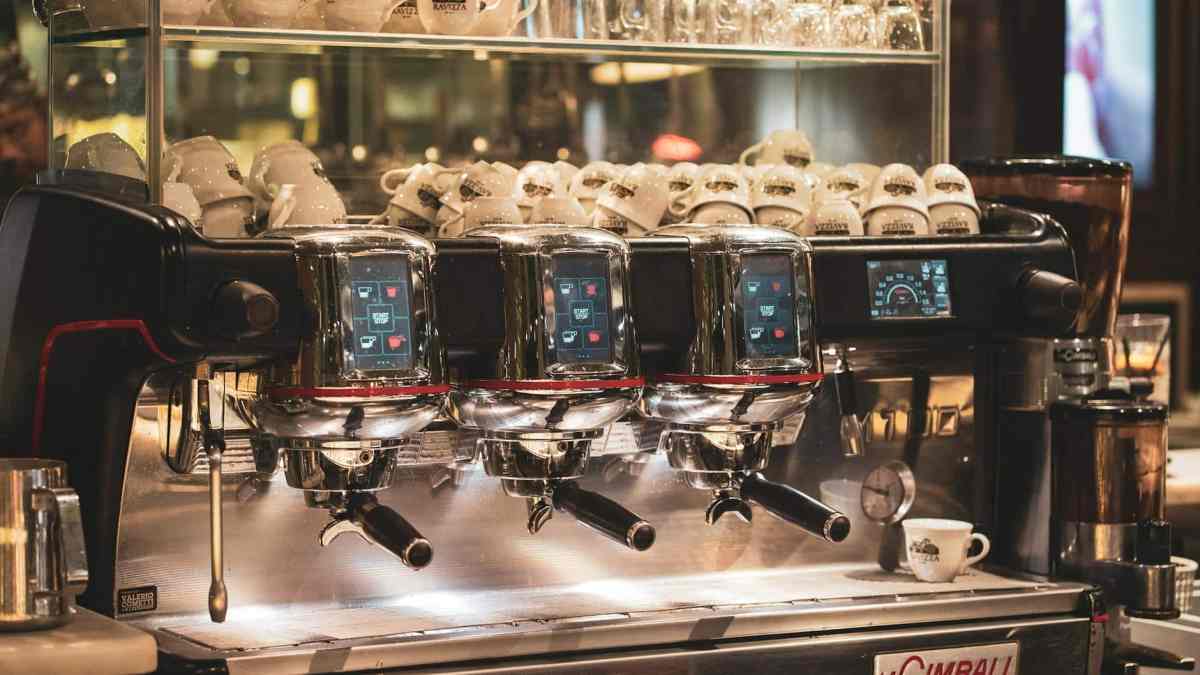
The bar plays a central role in everyday Italian culture and is a social meeting place in the neighbourhood or village. "Bar" may sound like alcohol, but most people actually drink espresso here, along with a quick cornetto and the news of the day. In the bar, the "caffè" is often drunk standing up, and after work there is sometimes an aperitivo on the way home. Many bars also offer simple meals such as sandwiches or pasta.
The history of the bar in Italy goes back to the 19th century, when public spaces for drinking coffee were created, particularly in Milan and Turin, inspired by the Parisian cafés of the time. Sometimes a bar is also called a café.

Birreria
Cheers! The Birreria offers a selection of different types of beer, sometimes home-brewed, as well as snacks and often pizza. The history of this type of pub begins in the 19th century, when beer became popular through the German-speaking neighbours in northern Italy.
The first breweries were established in Milan, Turin and Trieste. In the 20th century, especially after the Second World War, the idea of beer spread throughout Italy.
Enoteca
An enoteca is a mixture of wine shop, wine bar and delicatessen, offering local wines and often also regional specialities such as cheese, sausage and small dishes.
The first wine bars were established in wine-growing regions such as Tuscany, Piedmont, Veneto and Lombardy to promote and publicise local wines. The first "Enoteca Italiana" was founded in Siena in 1933 for the first Italian wine exhibition.
Gelateria
Italian ice cream is considered to be the best in the world. The recipes of Italian ice cream parlours are usually closely guarded family secrets. Italian gelato has a lower fat content and a denser consistency than ordinary ice cream, which makes the flavour more intense.
The first gelaterias appeared in the 19th century in cities such as Naples, Florence and Venice. The first modern ice cream machine, the "Motogelatiera", which simplified the work, was patented in 1931 by Otello Cattabriga in Bologna. Most ice cream parlours in Italy today offer seasonal, fresh flavours, often made from regional products.

Osteria
The osteria has been a tradition in Italy since the Middle Ages: back then, osterias were simple inns or taverns on streets and in towns where people would stop for refreshments - initially with food they had brought themselves, accompanied by a vino from the innkeeper. From the 17th century onwards, taverns also began to offer simple dishes, soups, stews, pasta and cheese.
While osterias were considered "old-fashioned" from the 1950s onwards, they have experienced a renaissance in recent years, with traditional elements in a modern guise. Osterias often serve local and seasonal dishes.
Paninoteca
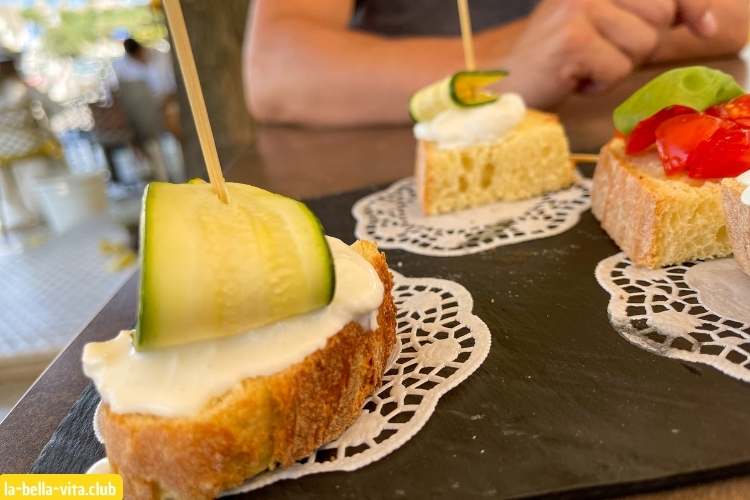
A paninoteca is an Italian restaurant that specialises in panini, hot and cold sandwiches and rolls. Typically, the panini are topped with fresh local ingredients such as salami, ham, fresh vegetables such as tomatoes, rocket, grilled or pickled vegetables such as aubergines and peppers, as well as all kinds of cheeses. Classic panini and baguette rolls are often crisped up in a contact grill.
Tramezzini are triangular slices of soft toast without a crust, which are usually eaten cold. Classics are topped with mayonnaise, tuna, ham, egg or cheese. There are also usually focaccia and pizza slices. The first sandwich shops appeared in the 1970s, especially in urban centres such as Milan and Rome. People began to eat out more and more and there was a demand for quality, fast food.

Pasticceria
Italian patisserie is an integral part of Italian cuisine. Here you can usually find handmade, high-quality sweet treats from cornetti, the Italian croissants, to cannoli, the filled tubes from Sicily, cakes and pastries.
The first specialised pastry shops were founded as early as the 17th century. Cities such as Naples, Palermo, Florence, Venice and Rome developed into centres of the art of pasticceria. Each region developed its own specialities based on local ingredients.

Piadineria
The Italian flatbread, the piadina in dozens of variations. A piadina is filled with various ingredients (grilled vegetables, cheese, ham and more) and folded together. Invented in Romagna, now common in many restaurants throughout Italy. A
Pizzeria
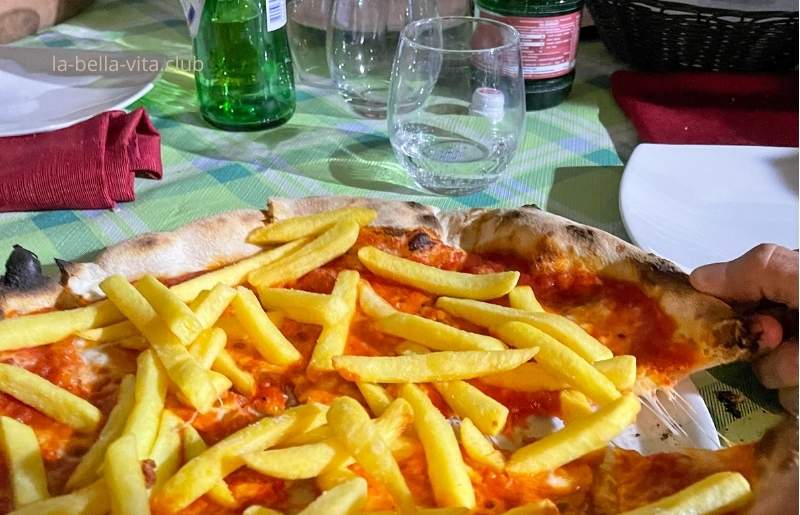
The name says it all at this restaurant, and the menu often includes pasta and a selection of antipasti. The first pizzeria, the "Antica Pizzeria Port'Alba", was opened in Naples almost 200 years ago. It was the first place where customers could enjoy their oven-fresh pizza sitting down. Before that, pizza had mainly been sold by street vendors or bakeries.
Until the 1950s, pizza was a localised phenomenon in Naples and Campania. Then economic conditions improved, Neapolitans opened pizzerias in other cities and more and more people travelled to Naples and southern Italy.

Ristorante
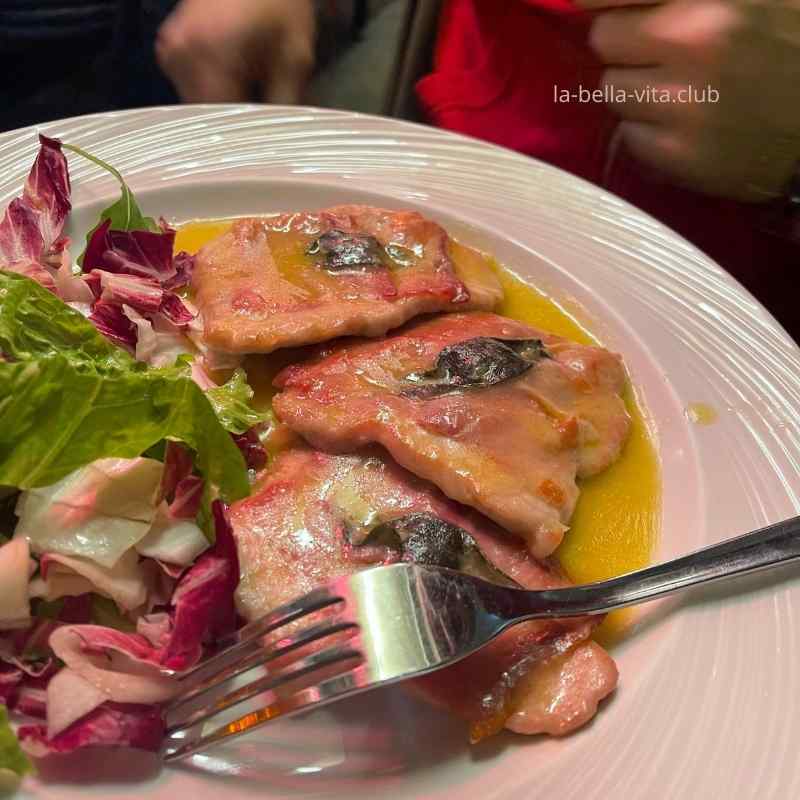
The "ristorante" is the classic form of restaurant in Italy, which is usually more formal than other restaurants and offers a full menu, from starters, primi piatti and secondi piatti to dolci, the dessert at the end.
The first ristorantes appeared in Italy at the end of the 18th century. The term is derived from the word "ristorare", meaning "to restore". The place where guests can enjoy an elegant meal and drinks. The prestigious Michelin Guide currently recommends more than 2000 restaurants in Italy. PS: As a rule, pizza is not served in a ristorante, but there is the "ristorante-pizzeria" variant.
Rosticceria
A Rosticceria is a snack bar for take-away meals. During normal shop opening hours, hot and cold - mainly fried or grilled - dishes are available to take away quickly, mainly meat dishes, but often also pre-cooked pasta and side dishes.
Rosticceria is derived from the word "arrosto" (fried). You can also eat on site, often at bar tables. Because of the mostly affordable and delicious regional dishes, Italians buy their meals to take away when they don't have the time or inclination to cook. These restaurants have existed in Italy since the 19th century.
Spaghetteria
The name says it all: Pasta dishes of all kinds, especially spaghetti, but also a small selection of other dishes such as salads or simple antipasti. The spaghetteria has only been around since the 1980s, often under the name "pasta bar", especially in tourist regions. The furnishings are simple, the service is usually quick and the prices are reasonable.

- "Cani di quartiere": Italy's street dogs with official toleration
- Italy and the Etruscans: A forgotten civilisation and its heritage
Sprizzeria , Spritzeria
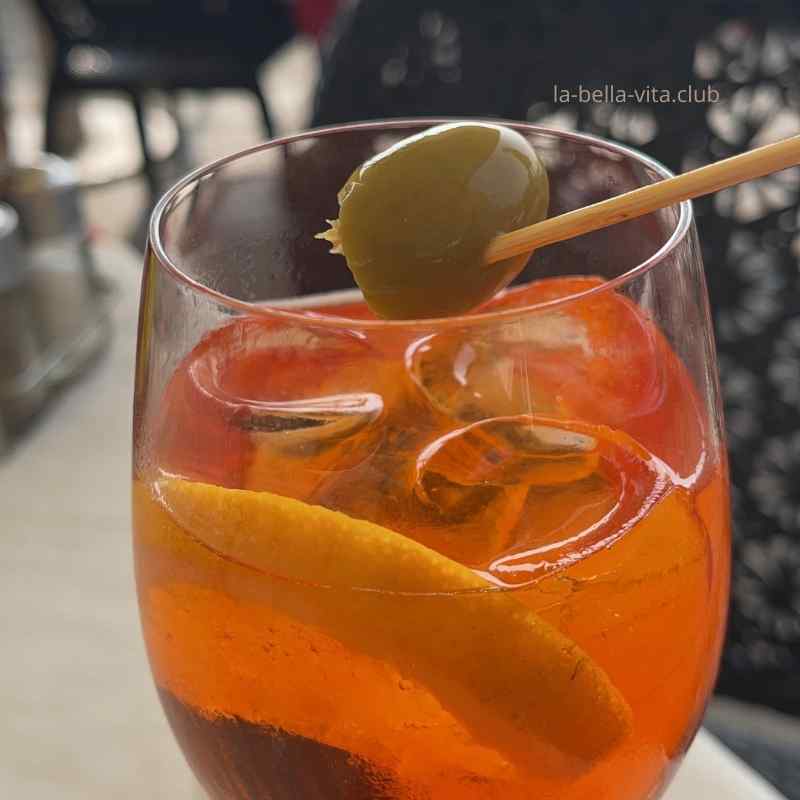
The sprizzeria, or alternatively spritzeria, has only been around on the Italian gastronomic scene since the 2010s, when Aperol Spritz became a trendy drink, especially in cities such as Venice, Milan and Rome.
The bar specialises in selling spritz cocktails, but often also offers small snacks, antipasti and simple dishes. This type of bar is often located in lively neighbourhoods or in places where people meet for an aperitif before dinner, the "apericena".
Trattoria
A trattoria is a traditional, family-run Italian restaurant that usually offers home-made and regional dishes at moderate prices. The interior of the trattoria is usually simple and cosy. In terms of price, the dishes are somewhere between an osteria and a ristorante. The trattoria originated in the 19th century, when the osteria was still simpler and focussed heavily on selling wine. This type of restaurant developed in various parts of Italy, especially away from the big cities.


Current stories




- Elections in Italy 2022: The most important questions on the situation
- That's BELLA VITA: Lifestyle and everyday life in Italy
written by Pietro Perroni, first published 10 July 2022, updated 4 September 2022
Source: own research and a lot of eating
Cover picture/Montage - Photo:LA BELLA VITA club / Kayser
Photos Advertisement/Montage: Amazon; Photo: Newman Studio/Getty Images; itsharp/Getty Images Signatura via canva.com