
Rimini's other face: Ponte di Tiberio in the background
For decades, Rimini symbolised the mass tourism of the 1980s: rows and rows of parasols, concrete castles and the image of a slightly grubby party town.
Anyone travelling to the Adriatic coast today will find a completely different cityscape. The „stuffiness“ of past decades has given way to modern, cultural elegance. Rimini has successfully reinvented itself and now focuses on history, design and dolce vita beyond the sandy beach.
Historical heritage: the Roman heart of the city

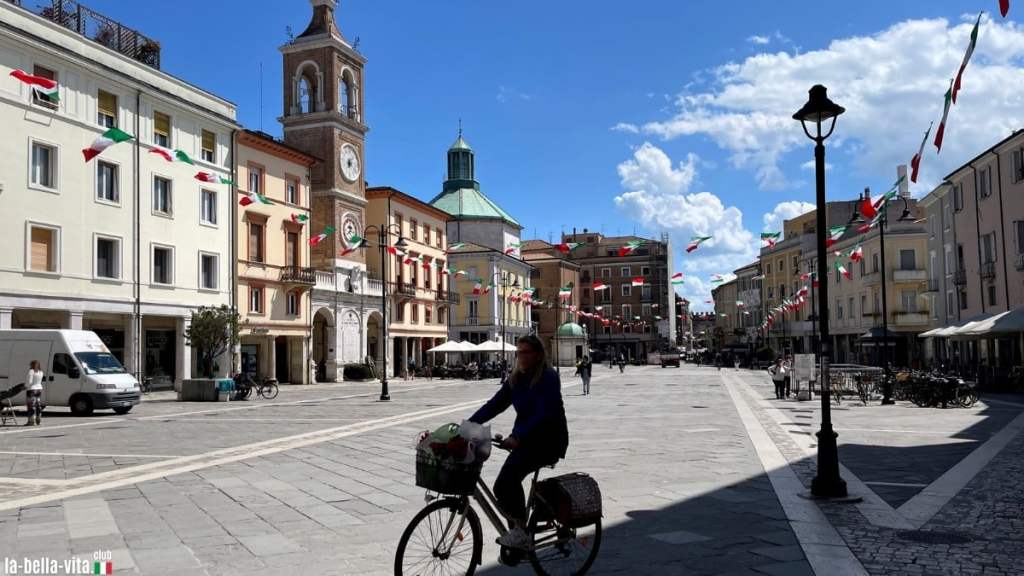
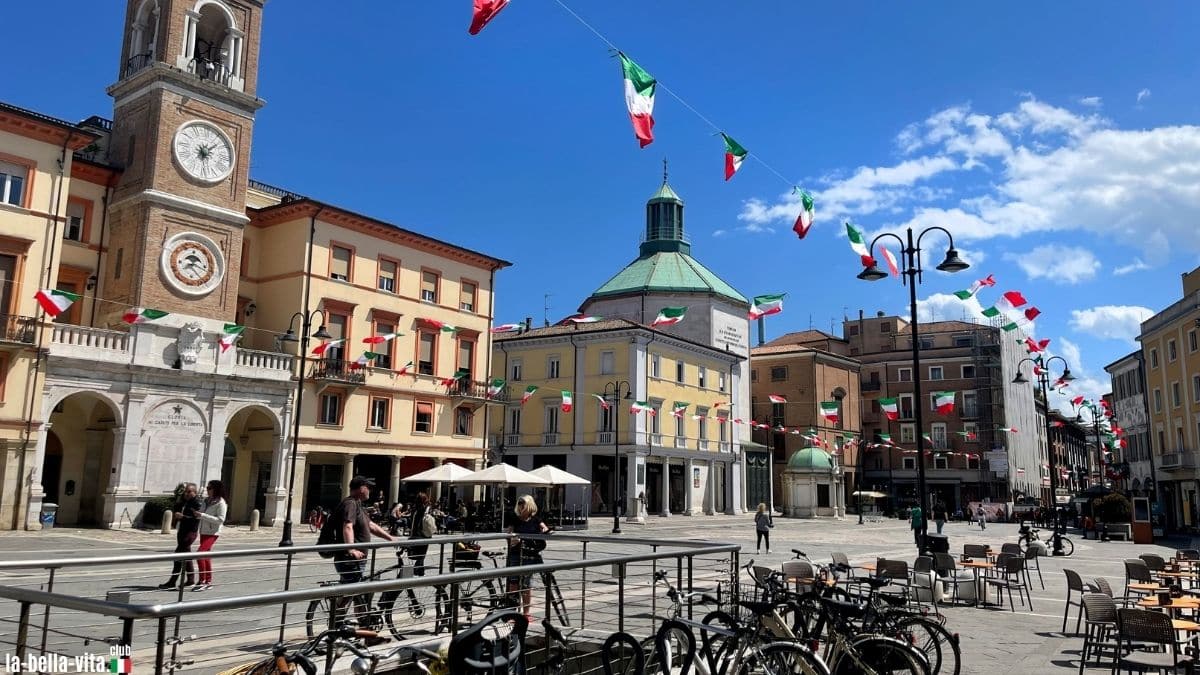
Away from the coastline, Rimini reveals a history that goes back far beyond the time of the first seaside hotels. The old town has developed into a real gem, where Roman antiquity is present at every turn.
- Arco d'Augusto: The monumental city gate from 27 BC is the oldest surviving Roman triumphal arch in northern Italy and marks the glamorous entrance to the centre.
- Ponte di Tiberio: The over 2,000-year-old bridge made of Istrian stone is not only a technical masterpiece of antiquity, but also the centre of the trendy district today Borgo San Giuliano.
Rimini: The whole story of the Adriatic legend


Fellini and art: Rimini as a cultural centre
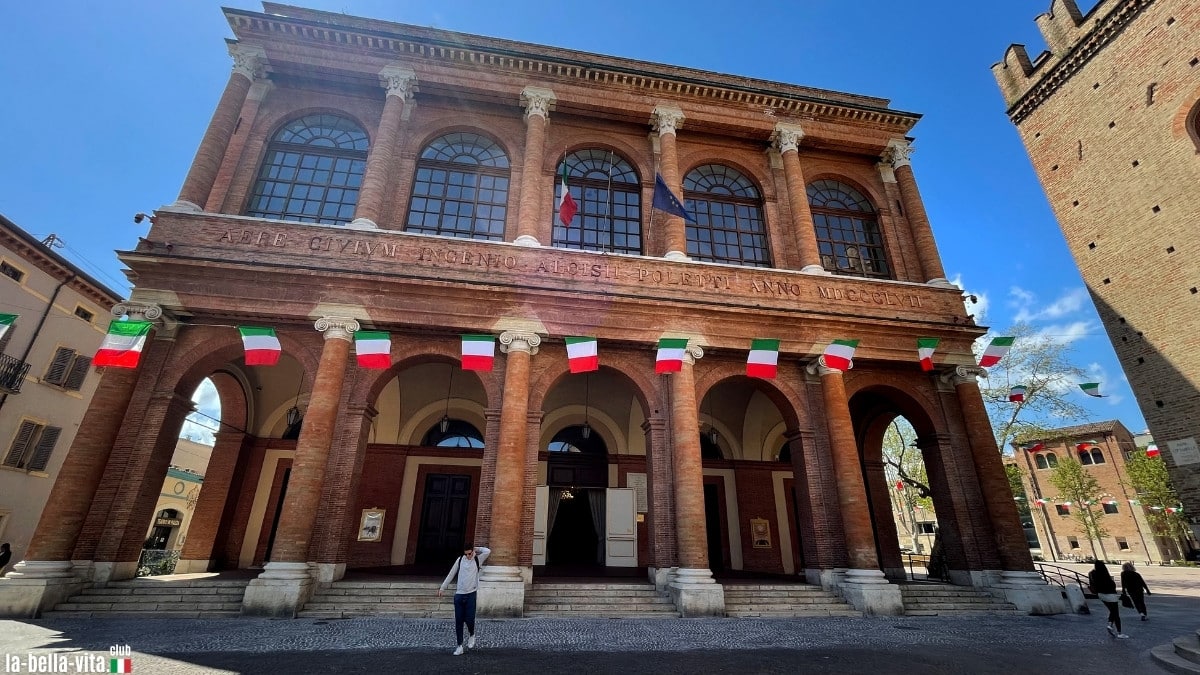
A key part of the strategy to position Rimini as a city of culture is to pay homage to the city's most famous son: Federico Fellini. The worldwide unique Fellini Museum extends over Castel Sismondo and the historic Fulgor cinema.

It is not a classic museum, but an immersive experience that brings the director's surreal worlds to life. This investment clearly demonstrates the city's ambition to be perceived not just as a beach destination, but as an intellectual and artistic centre.

The sleeping giant in the bay of Naples: Mount Vesuvius
The transformation of the promenade: Parco del Mare
The most striking sign of the end of the 1980s aesthetic is the completely renovated seafront promenade. Where cars and exhaust fumes once dominated the scene, a green lung has been created with the Parco del Mare.
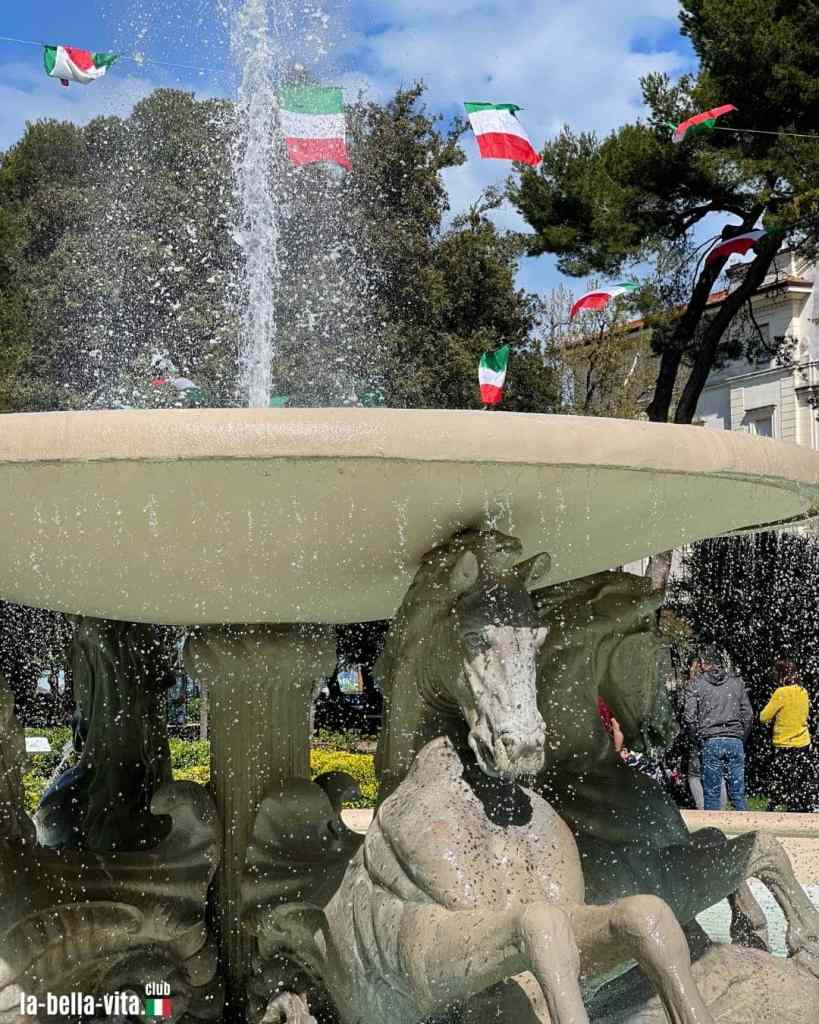
- Sustainability and design: Wooden walkways, fitness areas, playgrounds and lush planting have replaced the tarmac.
- Quality of stay: The separation from the traffic creates a new sense of calm that puts the focus back on the sea and strolling.
Rimini even applied for the title of „Italian Capital of Culture“ and made it to the final round, and visitors today find a symbiosis of state-of-the-art infrastructure and lovingly restored history. If you only know Rimini from the beach, you've missed out.
The classic Rimini holiday: everything at a glance
The highlights at a glance
| Location | Worth seeing |
| Old Town | Piazza Tre Martiri & Piazza Cavour |
| Roman bridge | Ponte di Tiberio (especially at sunset) |
| Borgo San Giuliano | Colourful houses and murals |
| Fellini Museum | Innovative multimedia exhibition in the castle |
la bella vita club: Italy to read