
Everyone has an image of Rimini in their head: sunburn, German pop songs, cheap beer and endless rows of deckchairs. But the cliché is dead. The city on the Adriatic has undergone one of Italy's most spectacular metamorphoses.
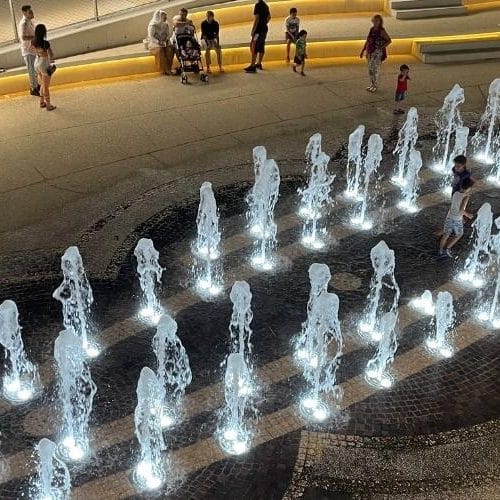
Whoever takes part in the Lungomare strolls through the town, you will look in vain for car traffic. Where there used to be avalanches of cars blocking the view of the sea, there is now the „Parco del Mare“: a kilometre-long promenade with palm trees, outdoor fitness studios and designer benches. Rimini has swapped concrete for greenery. The city that invented mass tourism in the 1950s is now redefining it: more sustainable, more chic, more expensive.
Rimini: If you only see the beach, you're missing out
The two faces of Rimini

The Fellini Museum Centre right in the old town with impressive installations The imposing city gate: the Arco d'Augusto 
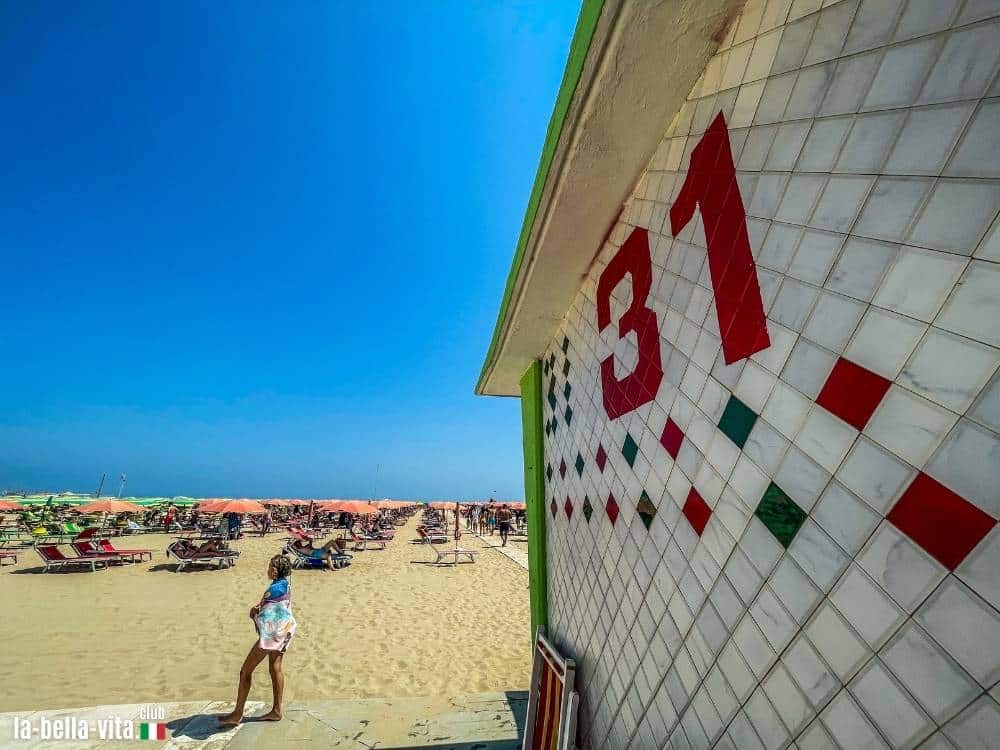
The almost endless beach of Rimini on the Adriatic Sea 
An open-air theatre in Piazza Malatesta 
...Bubble Parade on the Promenade 
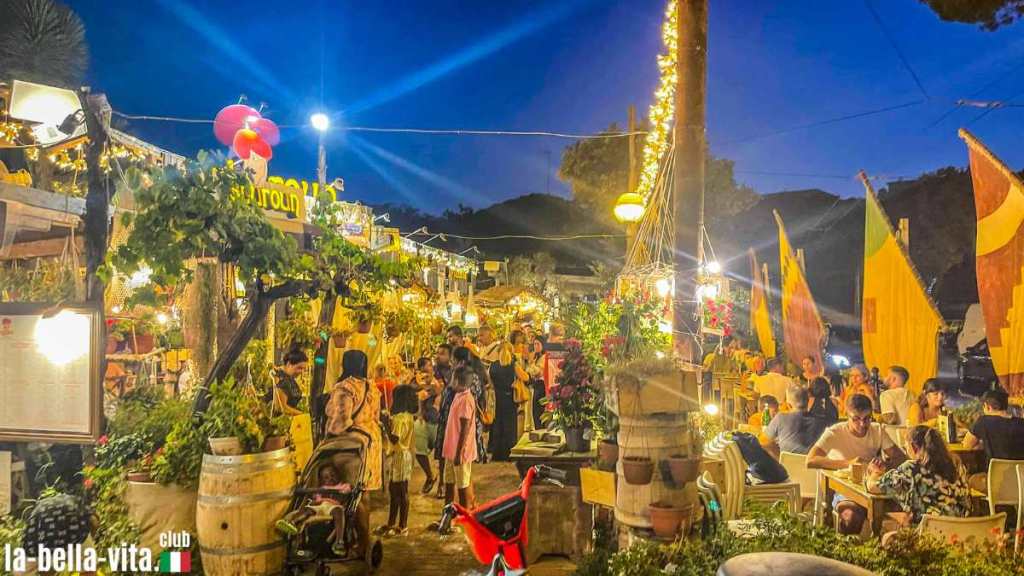
The gastro promenade in Rimini 
A short evening stroll in Rimini The endless beaches on the Adriatic coast, here in Rimini Wow! Sunset on the endless beach of Rimini





Two cities in one
Rimini is bipolar. There is the marina: 15 kilometres of sandy beach, divided into hundreds of „bagni“. These beach resorts are highly organised service centres. There is WLAN right up to the waterline, hot showers and entertainment. It is an industry of recreation that nowhere else in the world functions as efficiently as here.
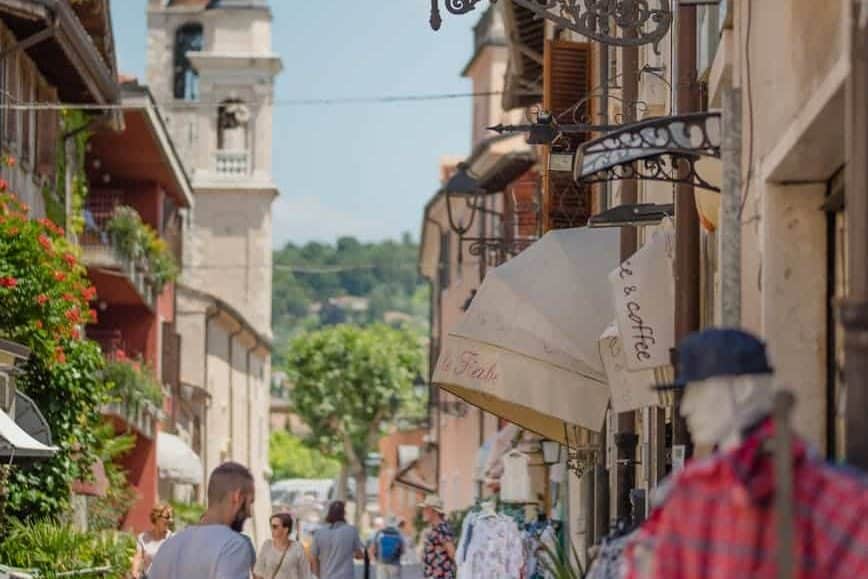
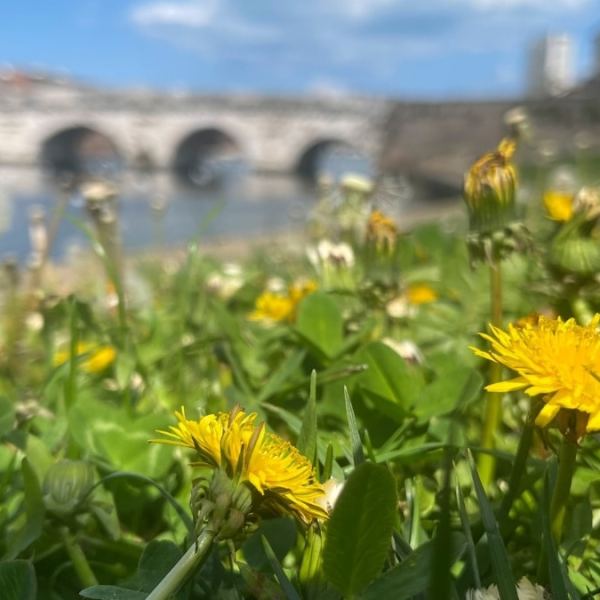
But a surprise awaits just a 15-minute walk inland: the Centro Storico. If you walk through the Arch of Augustus (Arco d'Augusto), you leave the tourist world behind. Rimini was a key Roman city. The Tiberius Bridge has stood for 2,000 years and still carries traffic today. The Tempio Malatestiano is a Renaissance masterpiece designed by Alberti. This is where the locals drink their aperitivo, far away from the hustle and bustle of the beach.


The ghost of Fellini

Rimini is cinema. Federico Fellini (La Dolce Vita, Amarcord) was born here, and the city has erected an unrivalled monument to him. The new Fellini Museum is not a dusty room with showcases, but extends over Castel Sismondo, the Fulgor cinema and a square in between. The legendary Grand Hotel, where Fellini always resided, still stands like a fortress of luxury by the park. It is proof that Rimini can also be elegant, not just a bucket list destination.
Rimini: An overview of everything important
Piadina: The flat gold

In culinary terms, it is not pizza that reigns supreme here, but piadina romagnola. The thin flatbread is sold at small kiosks (Chioschi) freshly baked. Classically filled with Squacquerone (a soft cream cheese), rocket and prosciutto crudo. It is the ultimate street food: honest, greasy and unbeatably cheap. A visit to Rimini without piadina is legally not a holiday.
Nightlife with class
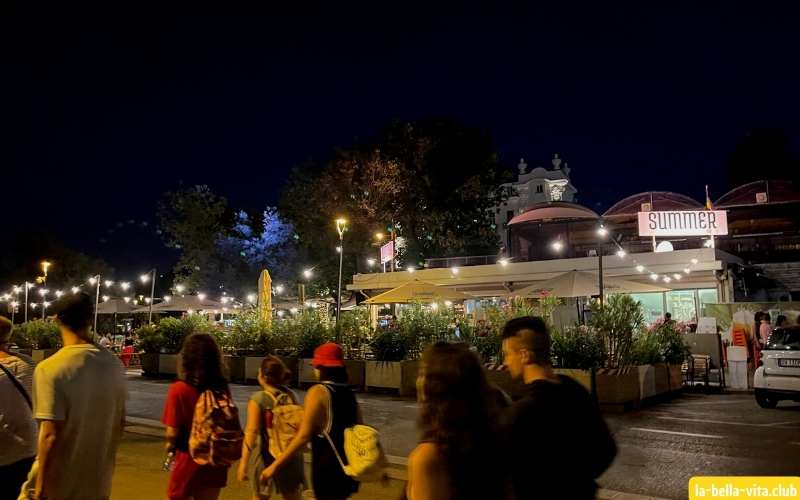
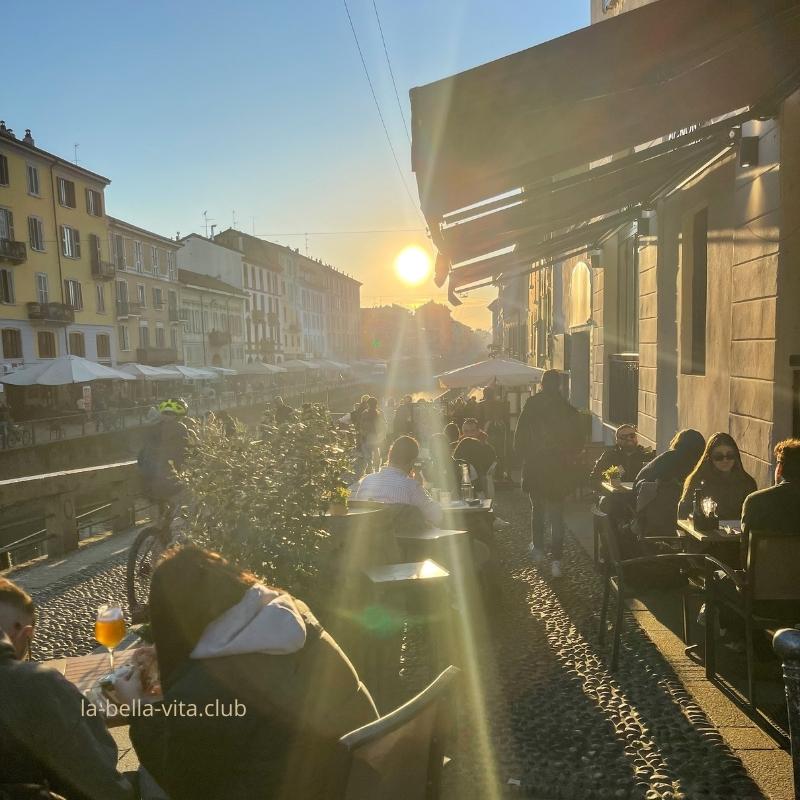
The days of cheap discos are over. The club scene has changed. People go to beach clubs or to the hills of Riccione (like the Cocoricò), but also the old town around the Vecchia Pescheria (old fish market halls) is one big open-air bar at night. Here, students stand next to lawyers, wine glasses in hand, on centuries-old cobblestones.
The story of an Adriatic legend: This is Rimini
- More about the Aosta ValleyWhere French is spoken in Italy and pizza is not a standard dish.
- More about CampaniaWhere temperament meets the Amalfi Coast, unforgettable Naples and the drama of Pompeii. Fantastic food at mostly fantastic prices (with the exception of Amalfi, of course).
- More about TuscanyThe Germans' eternal place of longing - cypress avenues, orange sunsets, vineyards.