
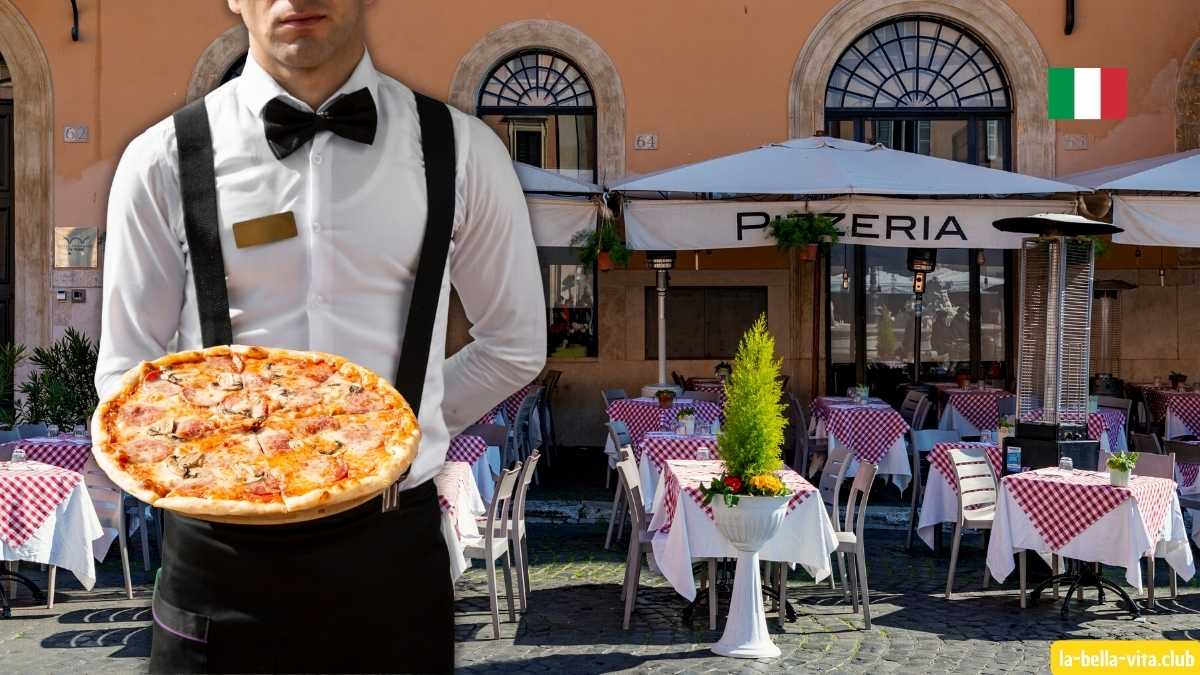
Pasta with cream sauce, pizza with hollandaise sauce or tiramisu with cream. Nothing can spoil your mood like ending up at the wrong Italian restaurant. When instead of a Bella Italia-style feast for the palate, you're served something mixed together. What you can recognise „good Italian" - even outside Italy ...
In Italy, eating is known to be culture and a way of life: it's not primarily about getting full, it's about enjoyment, about bella vita. In Italy, food is never just a means to an end. So you are all the more disappointed when you don't get anything typically Italian in a supposedly typical Italian restaurant.


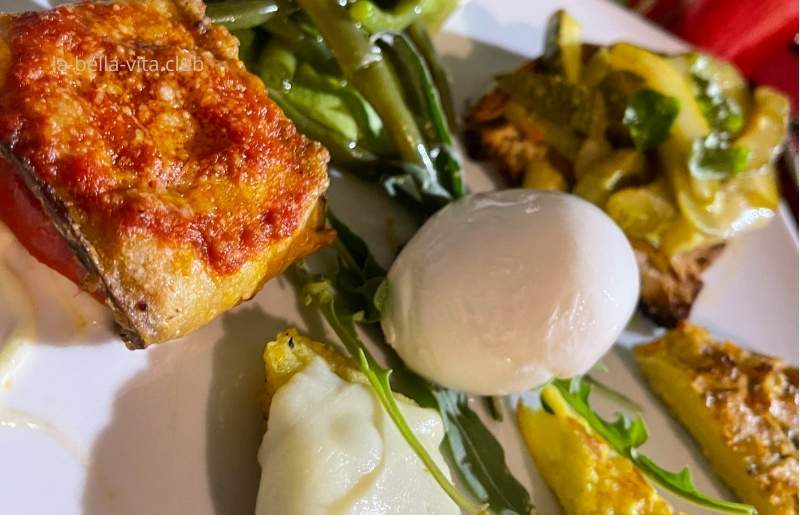
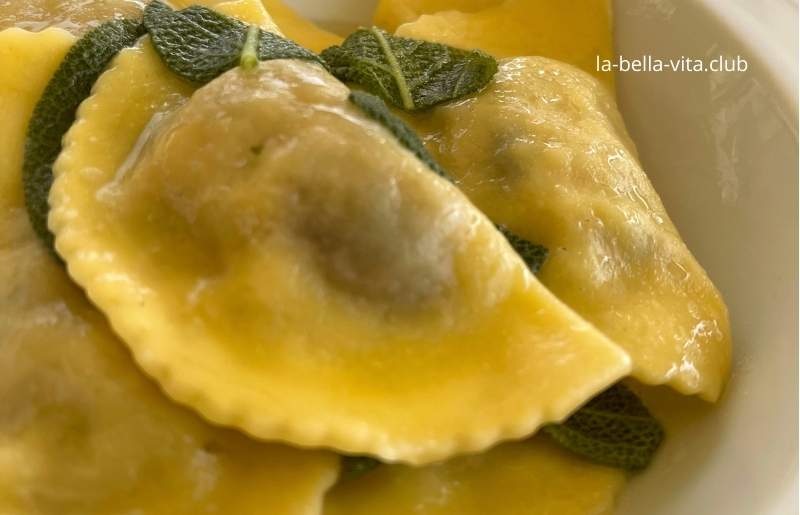
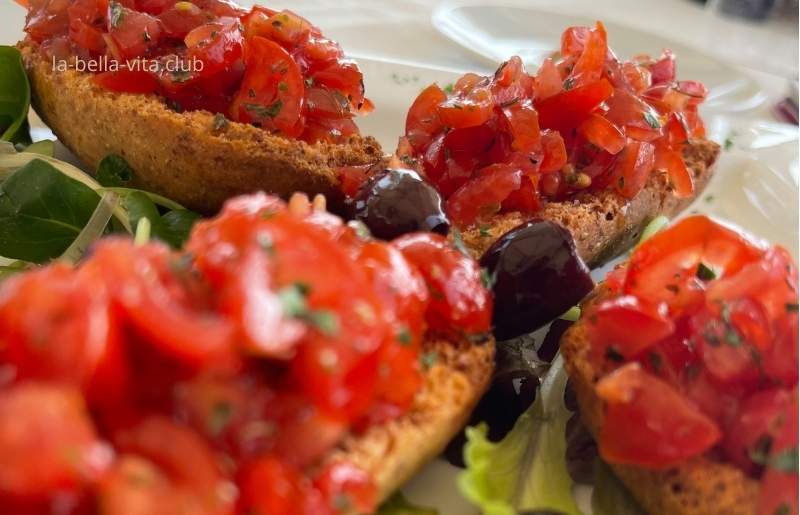
Some fake Italian restaurants can be recognised as a "rip-off" even before you enter. Typical signs: an aggressively charming recruiter fights for virtually every passer-by in front of the restaurant, the menu is translated into 25 languages, Wiener Schnitzel and Bratwurst Pommes are also on the menu - but there is not a single local at the tables.
Some of the links used in the following are so-called affiliate links. These links are selected editorially and independently. When you book through these links, we receive a small sales commission. The price for you remains the same, but you support this project. Thank you for that!
Checklist for your restaurant test
- Start with a simple plate
- Prösterchen with house wine
- The vinegar with the mozzarella
- A touch of antipasti
- Sea with cheese
1. start with something simple
The great art is in the simple: Before you order the grilled fish and prawn platter for two, start small. First order a plate of pasta with tomato sauce, a round of "spaghetti al pomodoro". Is the sauce cooked with love and time, with tomatoes that taste of Italian sunshine - or is it all rather a watered-down affair with chemical flavour enhancers, perhaps even made worse with cream?
Alternatively, you can of course try a classic like "spaghetti carbonara" (traditionally made with egg only, not cream) or "spaghetti aglio e olio" (garlic, oil, parsley and chilli peppers if you like). The cuisine that doesn't have these basic dishes doesn't need to be tested further.
Chocolates! Wine tasting in the gourmet city of Bologna

Photo by cottonbro studio on Pexels.com
2. toast with house wine
Every "good Italian" has an inexpensive and good house wine on the menu, in red and white. It is usually good and affordable. When eating, Italians drink wine not because of the wine itself, but as a drink to accompany the meal. However, the wine should not drown out the fine taste of the dishes and should by no means take over the main role. If there is no house wine, the restaurant is probably not a "good Italian".
Learn Italian cooking privately at home

Photo by Katerina Holmes on Pexels.com
3. the vinegar with the mozzarella
Italian mozzarella tastes best pure - the full load of melt-in-the-mouth, creamy milk flavours. Delicious! Mozzarella is often served plain at the "good Italian", but often also as "Insalata Caprese". with tomatoes and basil. Normally, it's just olive oil and salt. If your mozzarella is drowning in balsamic, it's time to try a new "Italian"....
Spaghetti with Sprizz: Cooking Course in Rome

First shopping at the market, then cooking class: Live at the market in Florence
4. a touch of antipasti
Points 1 to 3 are ticked off? Perfect! Then let's get down to the finer points. Let's order a round of antipasti before the main course this time. Italian starters include air-dried cold cuts of ham or salami, Italian cheese specialities, but also pickled vegetables. And it is usually with vegetables that the "good Italian" differs from a standard restaurant.
The vegetables are usually marinated in plenty of olive oil, sometimes with a touch of vinegar. Emphasis on the touch. If antipasti actually taste sour, then either they are old and should no longer be eaten or someone has no idea about antipasti.
Make your own ice cream in Florence

Photo by Pixabay on Pexels.com
For sleuths: Truffle hunting in Tuscany
5. sea with cheese
As soon as something comes from the sea, the cheese is put away at the "good Italian". Neither spaghetti alle vongole, grilled scampi or cooked fish are served with Parmesan cheese. "Non si fa", you don't do that in Italy! Fish and cheese are taboo. If it is served together anyway, it is not "good Italian".
Super tasty! Pizza Workshop in Naples

Photo by Farhad Ibrahimzade on Pexels.com
Come with us on a cheese tour through Veneto
More Mangiare can be found here...
Trattoria, Osteria and Agriturismo: The Restaurant Types in Italy - What's the Difference?
DINNER DON'Ts - This is how it tastes right in Italy!
MAMMA MIA - It's all about Mangiare!
That's Bella Vita!
You are currently viewing a placeholder content from YouTube. To access the actual content, click the button below. Please note that doing so will share data with third-party providers.
More InformationYou are currently viewing a placeholder content from YouTube. To access the actual content, click the button below. Please note that doing so will share data with third-party providers.
More Information- Spaghetti facts: Hard facts about the long pasta
- Without filters: This is how you experience the real Italy!
- Why Bologna is Italy's safest city for pedestrians
 Why Bologna has hit the brakes.
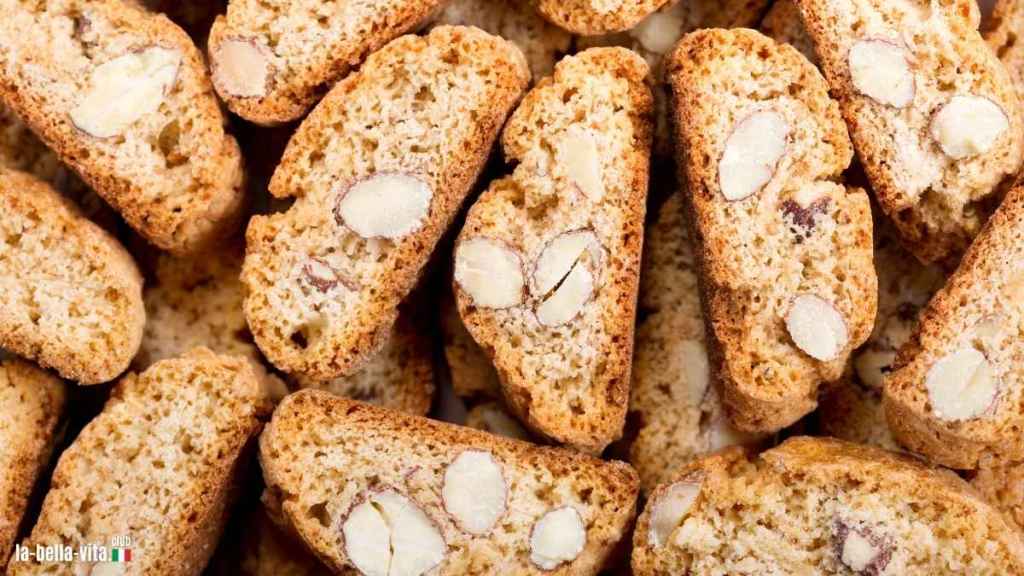
 - Hard, harder, Cantuccini! The secret of Italy's cult biscuitsThey look harmless until you bite into them.
- Five things that Italians do differently when eating outIn Italy, you don't eat to get full.
- Why Polignano a Mare is considered the "Pearl of the Adriatic"Actually too perfect to be real - and yet completely real.
- Worth seeing! Five small Italian towns that are still (almost) insider tipsDefinitely worth seeing and compact history.
- Everyone knows Dolce Vita - but what about Sprezzatura?A small style manifesto from the country where nonchalance became an art form.
- Antipasto, primo, secondo? This is how Italy eats - and how to order correctlyAn Italian menu is not a sprint, but a walk.
- The "beach of lovers" on Elba: the most romantic coast in TuscanyA story of love, pain - and perhaps the most romantic stretch of coastline in Tuscany.




written by Pietro Perroni, first published 18 November 2022
Cover image - collage: Big Pixel via canva.com; Bruno Coelho via canva.com


