
Photo: stock.adobe.com/jovannig
From our EDITORIAL TEAM
You don’t need 30 degrees for la dolce vita. In winter, the thermal pools in Italy are steaming, and the presses are running in the olive oil mills.
Between November and February, Italian life shifts from the beach to the dining table and into the warm waters. There are fewer coaches, and the trattorias serve up winter fare. Ten tips on how Italians spend their winter, from the thermal baths in the Maremma to the black truffles of Norcia.
1. Saturnia: an open-air sulphur bath
In southern Tuscany, the waters of the Cascate del Mulino near Saturnia flow over limestone terraces at body temperature. Entry is free. On cold mornings, the pools steam like a saucepan; at the weekend, it gets busy. The sulphur smells of rotten eggs and turns silver jewellery black. It’s best to leave your ring in the car. It’s quieter in Bagni San Filippo on Monte Amiata. There, the warm water flows over a white limestone wall which the locals call the „Balena Bianca“, the white whale.
Find out more at Tuscany Tourism: visittuscany.com
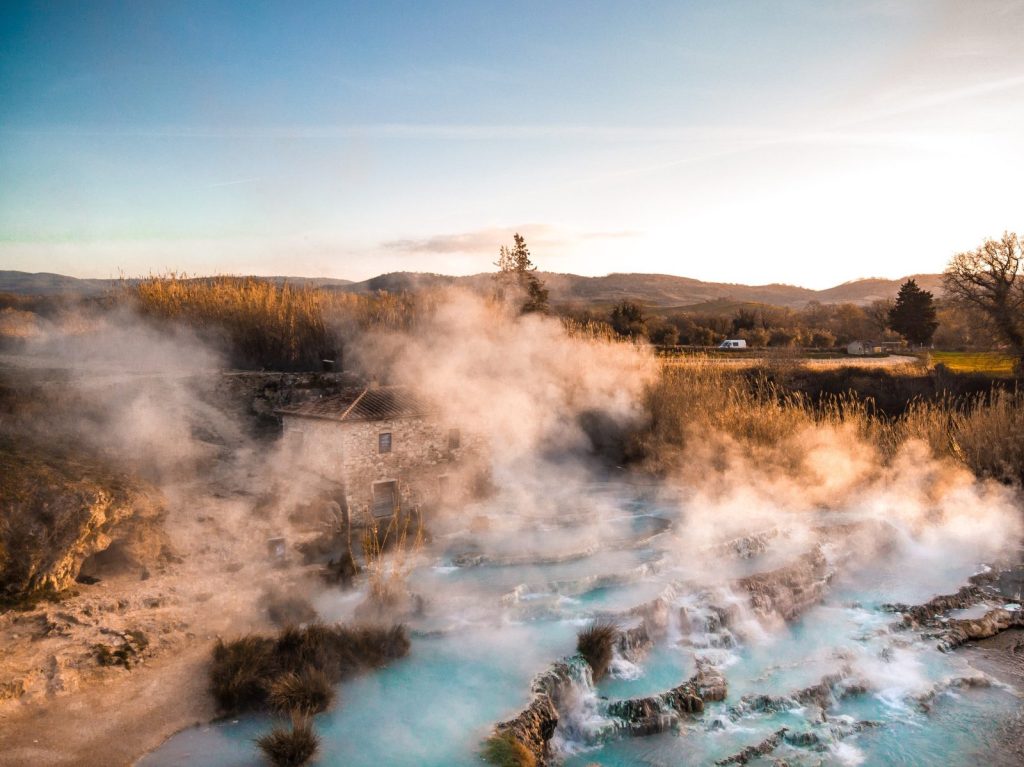
Photo: stock.adobe.com/Daniele Fiaschi Ph
2. Tuscany: Green gold from the oil mill
Right now, the oil mills in Tuscany, Umbria and Apulia are working late into the night, as the olive harvest lasts well into December. The fresh oil comes out of the press cloudy and a vibrant green, and it makes your throat feel scratchy. This scratchy sensation comes from the polyphenols, and that is precisely why the oil is so prized. In Tuscany, it is drizzled over toasted bread that has first been rubbed with garlic. There, it is known as ‘fettunta’. Many frantoi allow visitors to watch the process and sell the oil directly in jerrycans. After a few months, it becomes milder. So ‘olio nuovo’ is only available in winter.
Find out more at Tuscany Tourism: visittuscany.com
3. Norcia: The black truffle
The white truffle from Alba hits the headlines in autumn. In winter, it is the turn of the black truffle, and its centre is Norcia in Umbria. It is harvested from December to March. The town usually celebrates it at the end of February or beginning of March with the „Nero Norcia“ fair. Norcia’s butchers are also famous: throughout Italy, sausage shops are named after them – „Norcineria“. A winter’s lunch in Umbria looks like this: tagliatelle with shaved truffle, preceded by a plate of Prosciutto di Norcia.
Find out more at Umbria Tourism: umbriatourism.it
4. Naples: Nativity figures wearing football shirts
In Via San Gregorio Armeno in Naples’ old town, craftspeople make nativity figures all year round. From November onwards, the narrow alley is so crowded that you can only move at walking pace. Amidst the shepherds and sheep stand clay footballers and politicians, and every year new, contemporary figures are added. Maradona is always there. The Neapolitan nativity scene depicts an entire neighbourhood complete with pizza makers and washing lines, with Bethlehem situated somewhere right in the middle.
Find out more at Campania Tourism: incampania.com
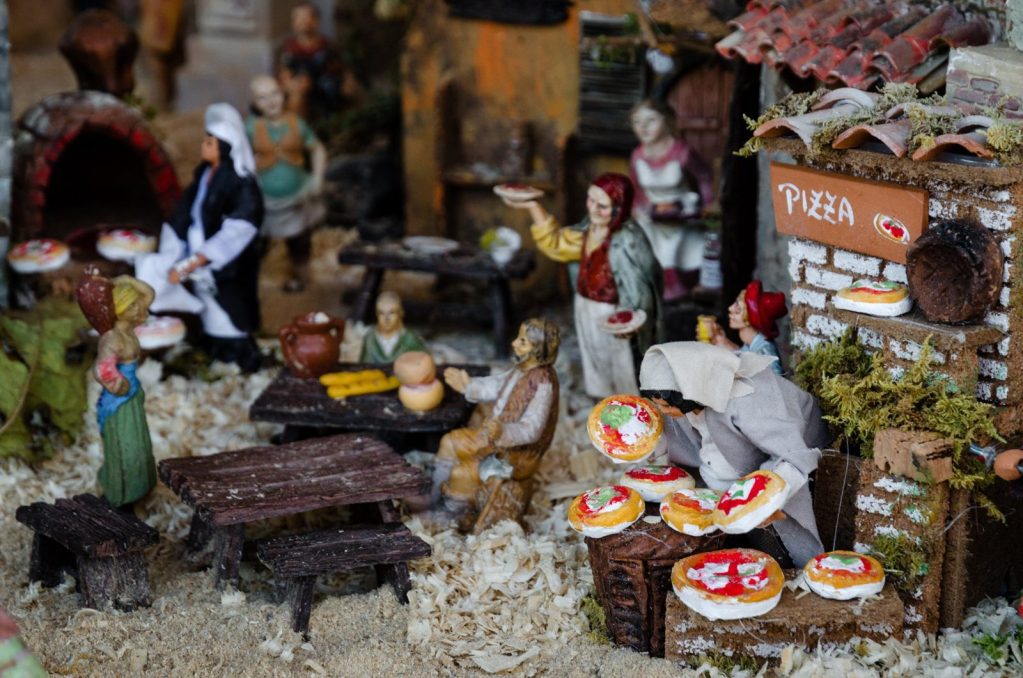
Photo: stock.adobe.com/Alessandro Cristiano
5. Rome: A witch with sugar coal
On 6 January, there’s another round of presents in Italy. The night before, the Befana – an old woman riding a broomstick – fills the children’s stockings. Well-behaved children get sweets, whilst the others get coal. This „coal“ is sugar dyed black and is on sale in many patisseries in January. In Rome, the market in Piazza Navona is a traditional part of the Befana celebrations. After that, the Christmas season is over, as the saying goes: ‘L’Epifania tutte le feste porta via.’
Find out more at Rome Tourism: turismoroma.it
6. The Dolomites: A lunch break at the ski chalet
In the Dolomites, a day’s skiing follows its own rhythm. You spend the morning on the slopes, then have a long lunch in the mountain hut. In the rifugios, they serve polenta with mushrooms, and in South Tyrol, dumplings. To go with it, you drink a bombardino – made from hot egg liqueur with brandy and a dollop of cream. If you turn up for lunch without a booking, you’ll have to wait. If you head back out onto the slopes in the early afternoon, you’ll often have them almost to yourself.
Find out more at South Tyrol Tourism: suedtirol.info

7. Florence: Soup from the day before
Ribollita means „the re-boiled“. This Tuscan peasant soup is based on beans and stale bread, with cavolo nero playing the leading role. After the first frost, cavolo nero is considered particularly aromatic. The soup is reheated on the second day and is then creamier than on the first. In Florence, it appears on the menus of trattorias from November onwards, usually with a dash of the new olive oil.
Find out more at Florence Tourism: feelflorence.it
8. Sicily: Blood oranges from Mount Etna
Whilst Germany is covered in slush, it is harvest time in Sicily. From December onwards, Tarocco and Moro blood oranges ripen around Mount Etna. They get their red colour because warm days are followed by cold nights on the volcano. They are sold by the crate at the markets in Catania. From the end of January, the almond trees blossom in the Valley of the Temples in Agrigento. The city celebrates this with the „Mandorlo in Fiore“ festival.
Find out more at Sicily Tourism: visitsicily.info
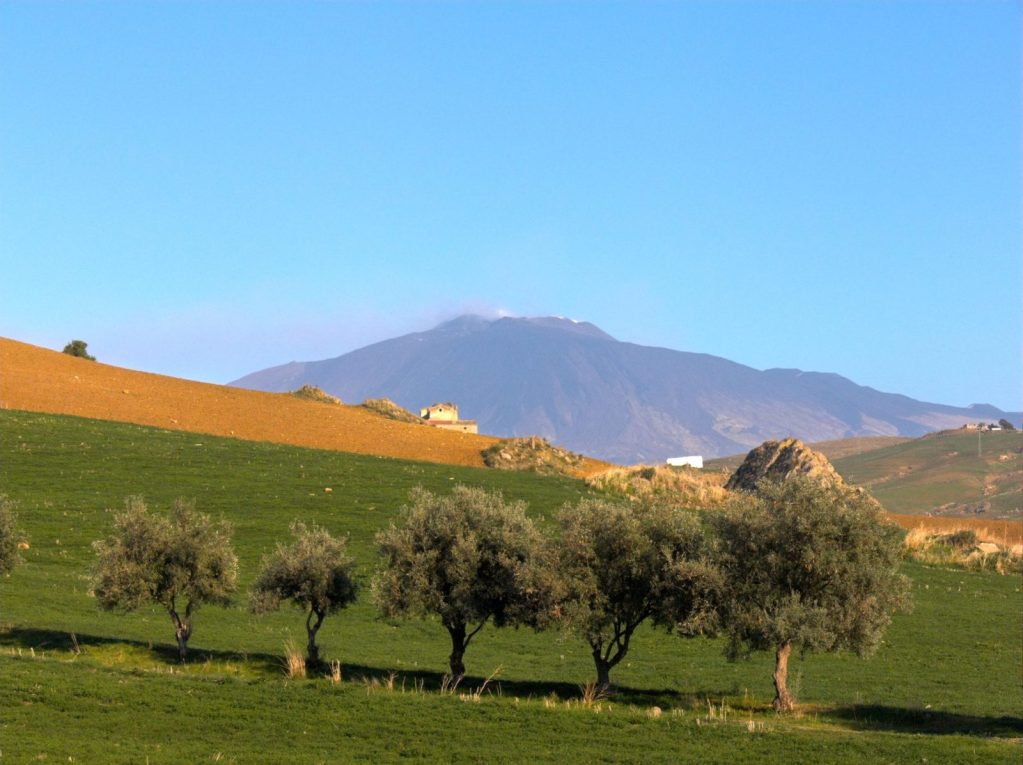
Photo: stock.adobe.com/ollirg
9. Viareggio: Shrove Monday, Italian style
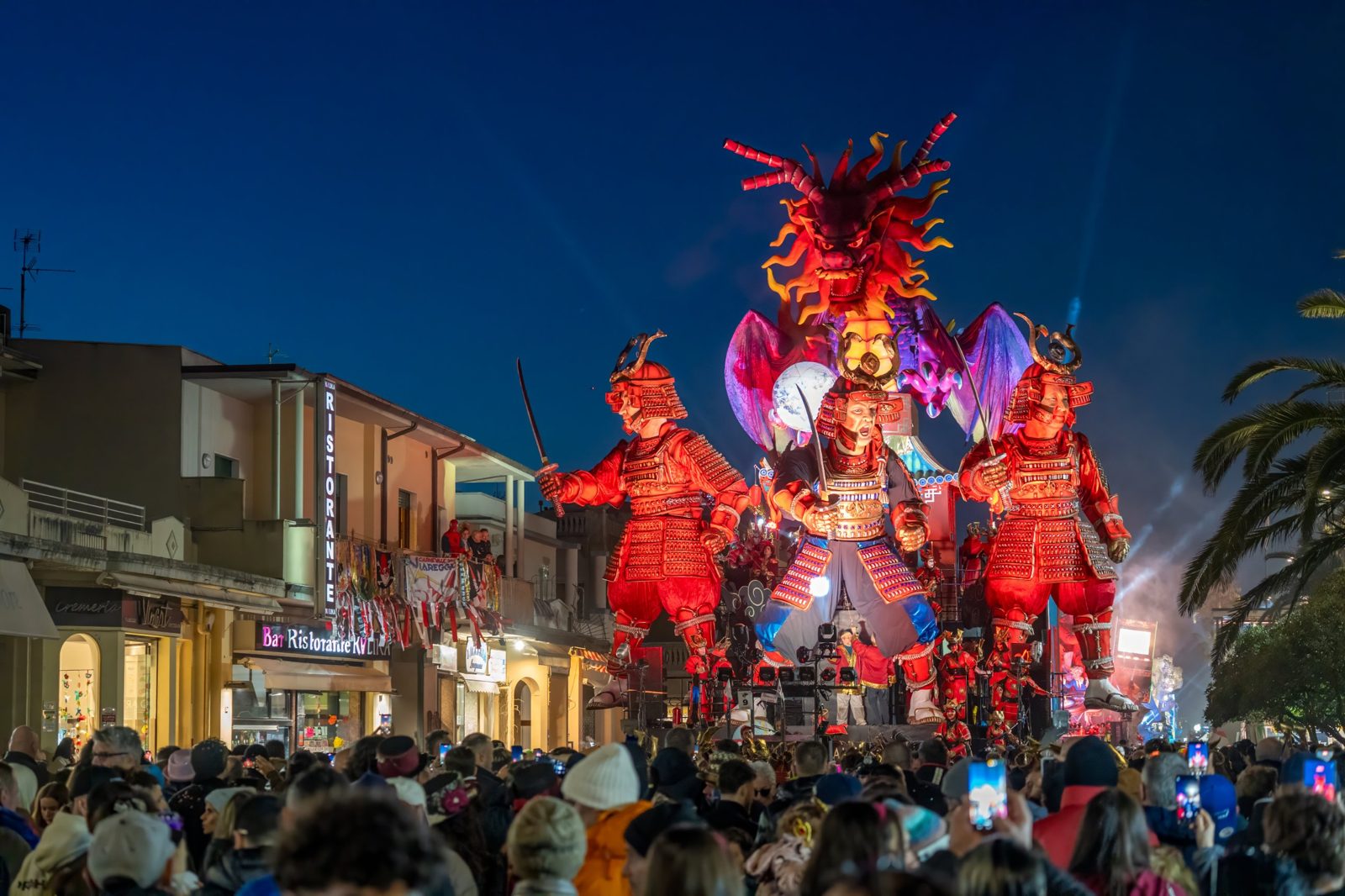
Venice is famous for its masks, Viareggio for its floats. Since 1873, huge papier-mâché floats have been parading along the seafront promenade in this Tuscan coastal town. They are built throughout the year in the halls of the Cittadella del Carnevale, and they poke fun at politicians from all over the world. During Carnival, people enjoy fried dough rings, which go by different names in every region: chiacchiere in Milan and Naples, frappe in Rome, bugie in Turin, and cenci in Florence.
Find out more at Tuscany Tourism: visittuscany.com
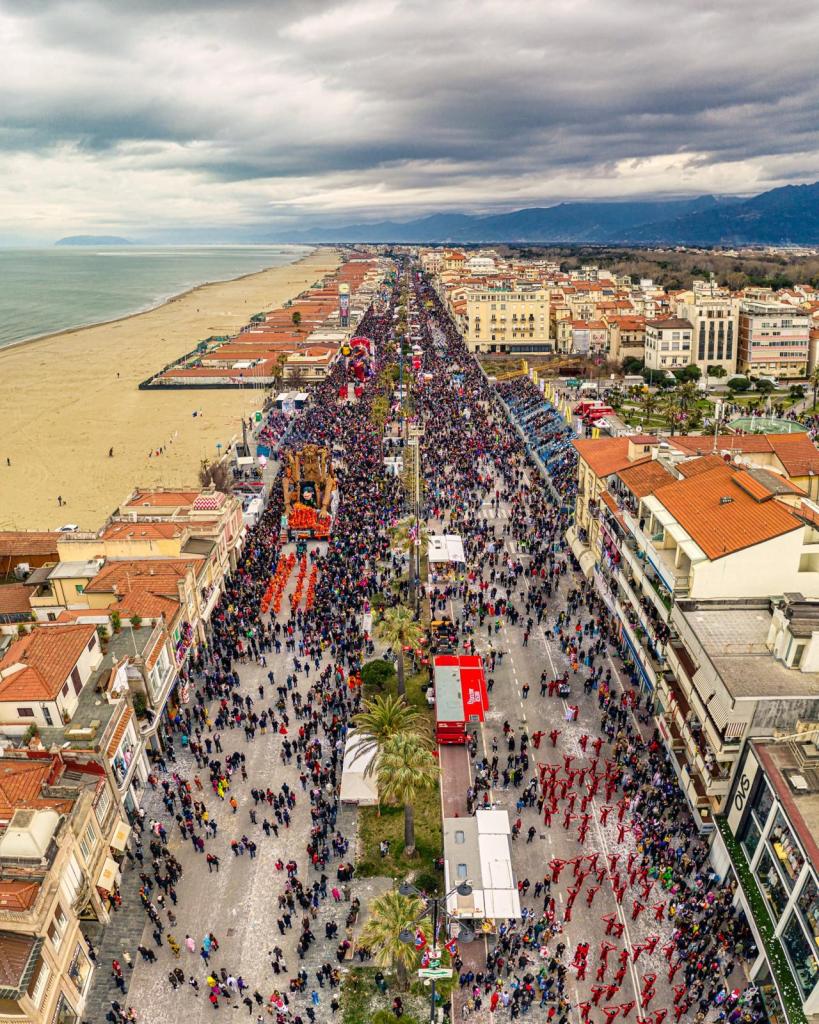
Photo: stock.adobe.com/Guglielmo

10. Turin: A stroll in a down coat
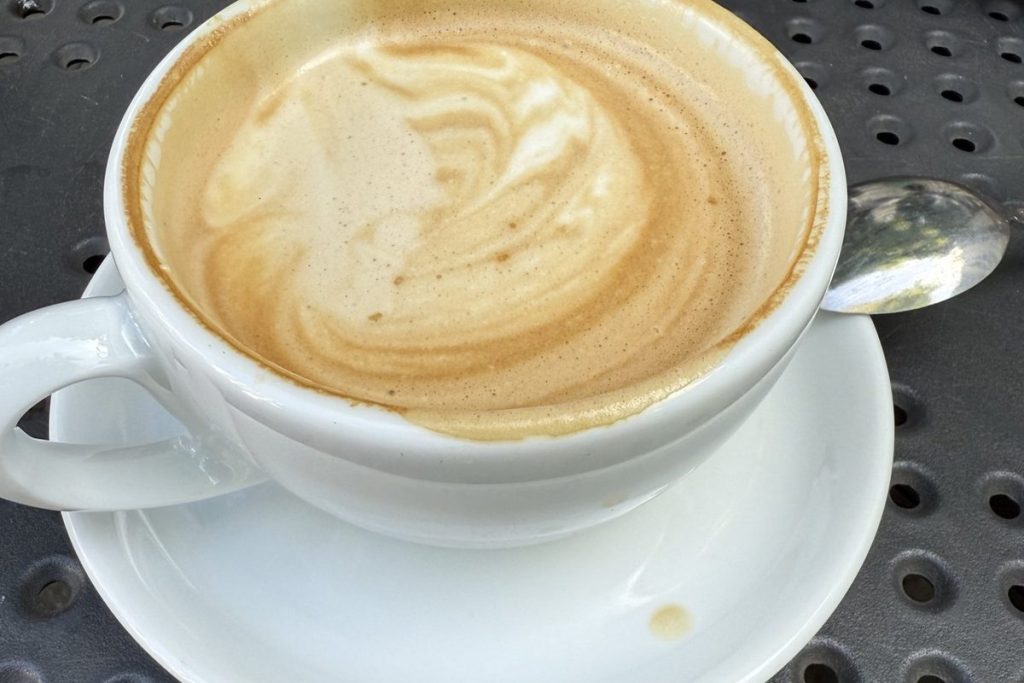
Even in winter, Italians go for an evening stroll. The passeggiata simply starts earlier, often as soon as it gets dark and the fairy lights come on in December. On the Corso, you’ll then see families out and about in long down jackets, with their scarves pulled up to their noses, even on mild days. Every now and then, they stop for a ‘cioccolata calda’, which is considerably thicker than the hot chocolate we have here. In Turin, however, people drink a ‘bicerin’ instead: in a small glass, layers of hot chocolate, espresso and cream are stacked one on top of the other.
Find out more at Turin Tourism: turismotorino.org


