

From our EDITORIAL TEAM
Both contain espresso and milk. The cappuccino is served in a porcelain cup, whilst the caffè latte is served in a glass.
The base for both is an espresso. The amount of milk added and how much it is frothed determine which drink you end up with. Most of the Italian coffee menu is structured according to this principle. Here is an overview:
Cappuccino with a frothy topping
First, the espresso is poured into the pre-warmed cup. Then the barista pours milk over it, which he has frothed into a thick, fine-textured foam. The milk makes up the bulk of the cup, with a good portion of it forming a head. The coffee is still clearly discernible, however. Incidentally, cocoa powder is not part of the original recipe.
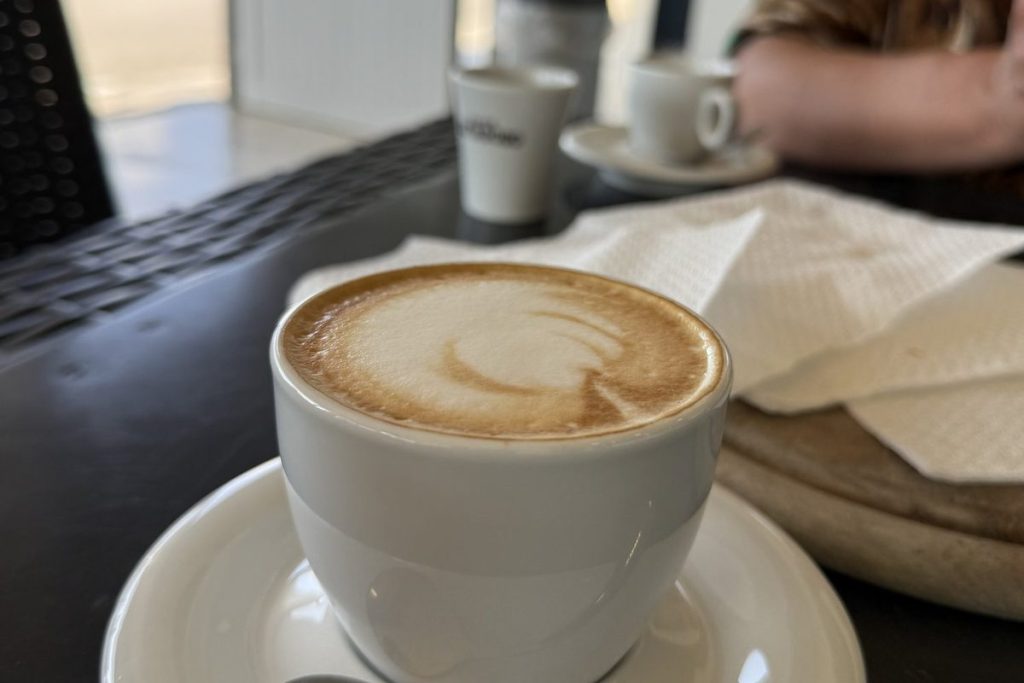
Photo: la-bella-vita.club
Caffè latte in a glass
A caffè latte contains much more milk and hardly any foam. Espresso or coffee from a Moka pot is mixed with hot milk and served in a glass or a large cup. It tastes milder than a cappuccino and is considerably larger. In Italy, it’s mainly drunk at home for breakfast, with biscuits dipped into it. If you order a „latte“ in Italy, you’ll simply be served milk – without the „caffè“ in front of it.
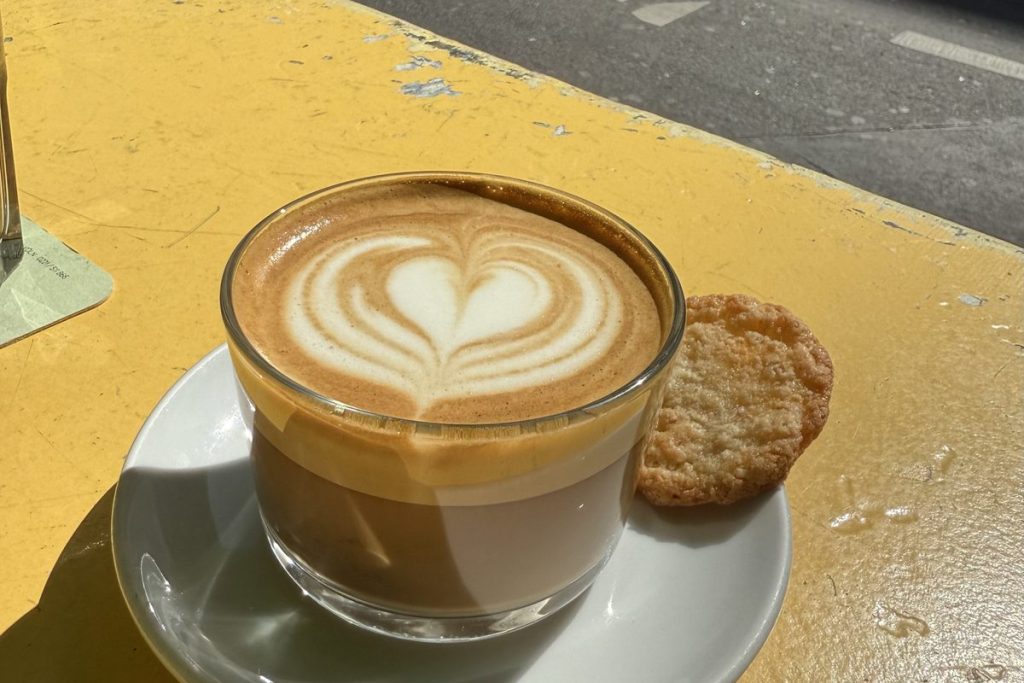
Photo: la-bella-vita.club
Latte macchiato in a tall glass
A latte macchiato is made in reverse order. First, hot milk and a thick layer of foam are poured into the glass, then the barista pours in the espresso. The coffee sinks through the foam and settles on top of the milk, which is why you can see the layers from the outside. „Macchiato“ means ‘stained’.
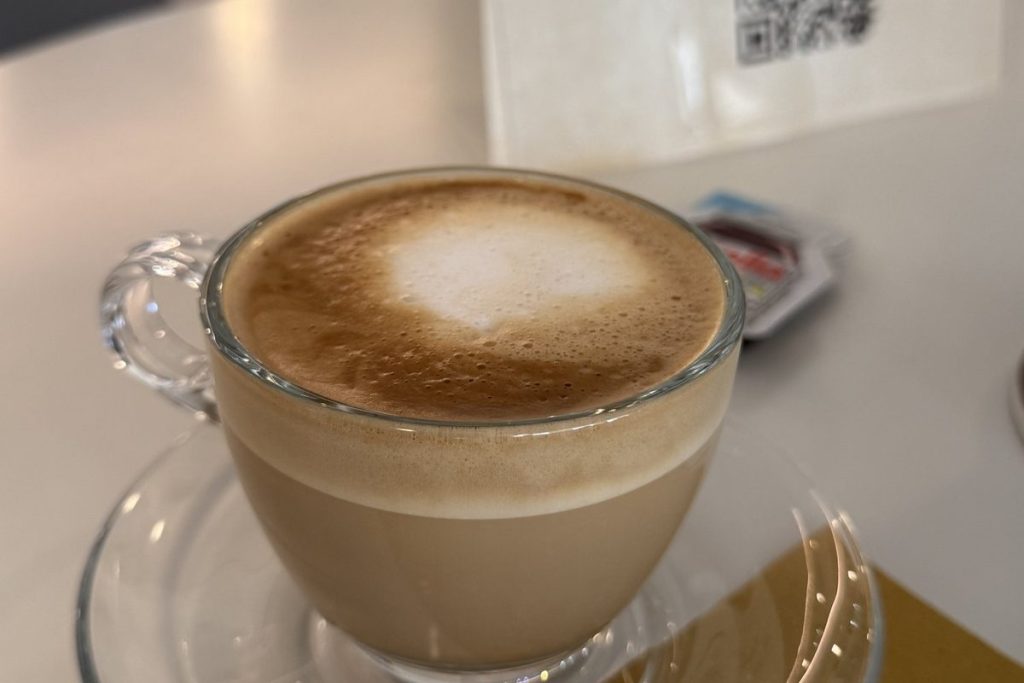
Photo: la-bella-vita.club
Espresso as a foundation
If you order „un caffè“ in Italy, you’ll be served an espresso. This is made by briefly forcing hot water through finely ground coffee under high pressure. The result is a small, concentrated shot with a hazelnut-brown crema. It is drunk in just a few sips, often with sugar and whilst standing at the bar.
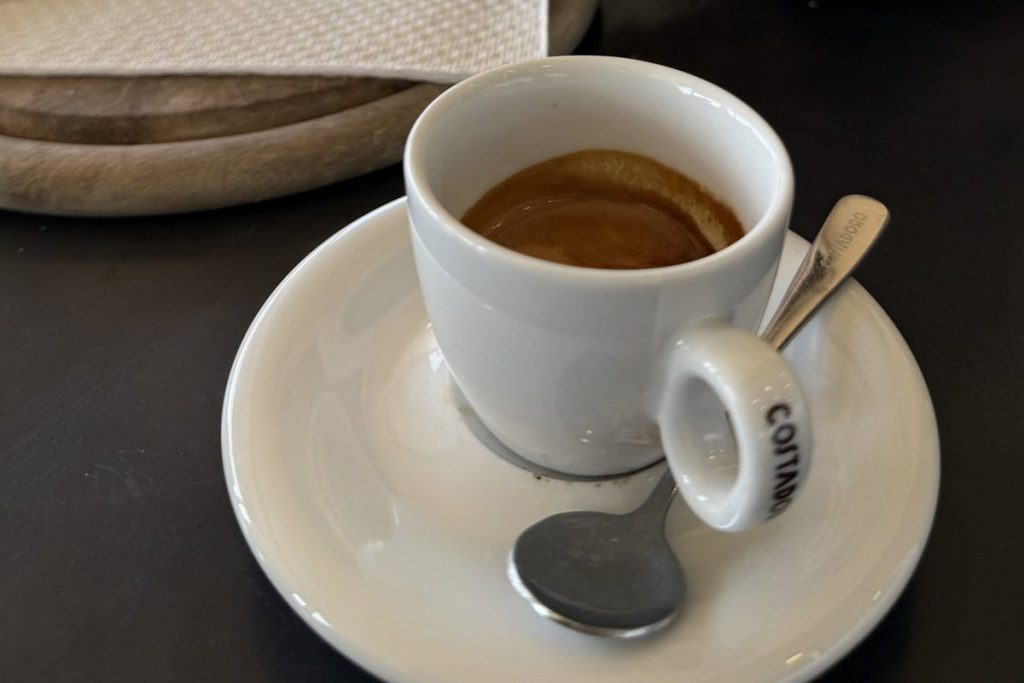
Photo: la-bella-vita.club
Ristretto and Lungo
A ristretto is made with less water and is even shorter than an espresso. It is more intense and tastes almost sweet. With a lungo, more water passes through the ground coffee, making it more bitter. If you order a doppio, you get a double portion. An Americano is an espresso diluted with hot water.
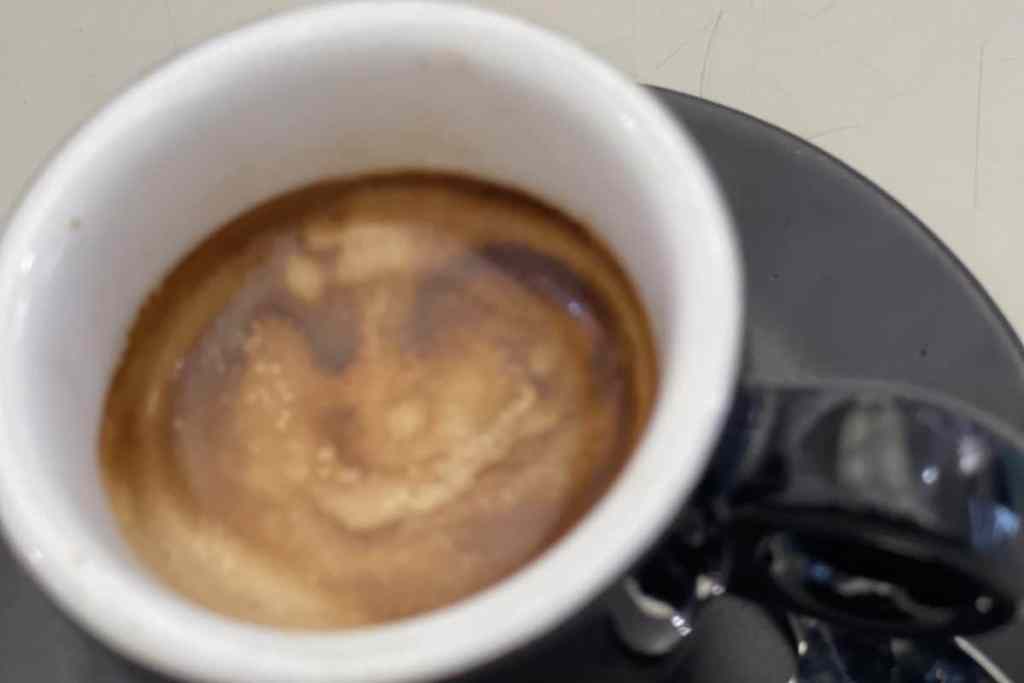
Photo: la-bella-vita.club
Caffè macchiato with a splash of milk
Here, a spoonful of milk foam is added to the espresso in the small cup. „Macchiato caldo“ means with warm foam, whilst „macchiato freddo“ means with a splash of cold milk. The macchiatone is the larger version: it contains more milk, but still less than in a cappuccino.
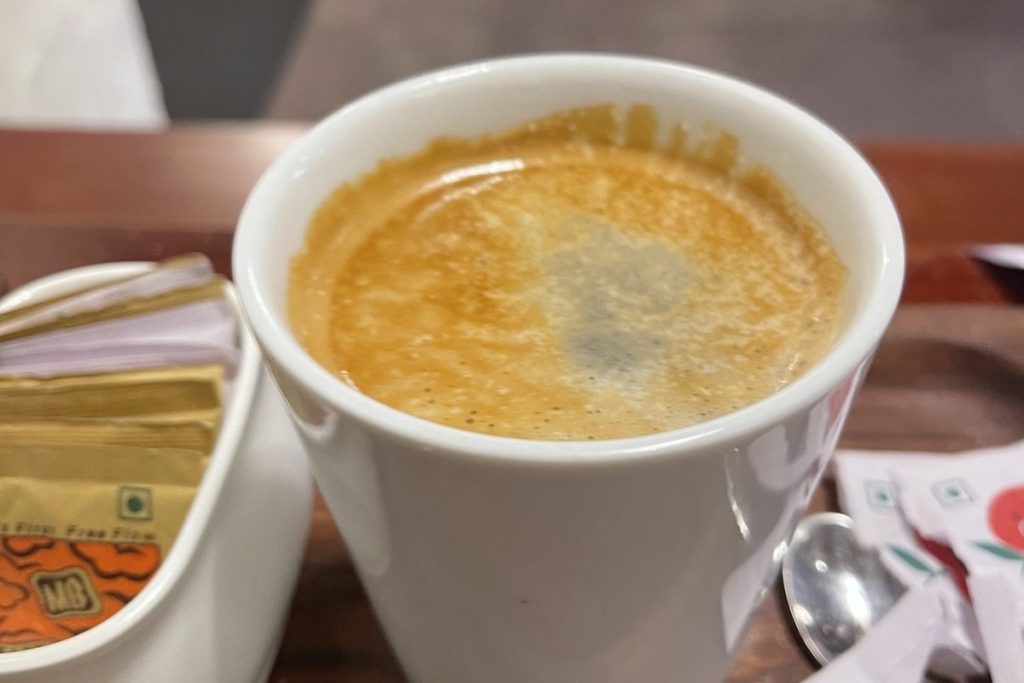
Photo: la-bella-vita.club
Caffè corretto with grappa
„Corretto“ means „corrected“. A dash of grappa or sambuca is added to this espresso, usually after a meal. If you drink the spirit from a separate glass only after the coffee, it is called an ‘ammazzacaffè’, meaning ‘coffee killer’.

Marocchino from Alessandria
The Marocchino originates from Piedmont. Cocoa powder is placed in a small glass, followed by espresso and milk foam, with a further sprinkling of cocoa on top. It is named after a light brown leather of the same colour.
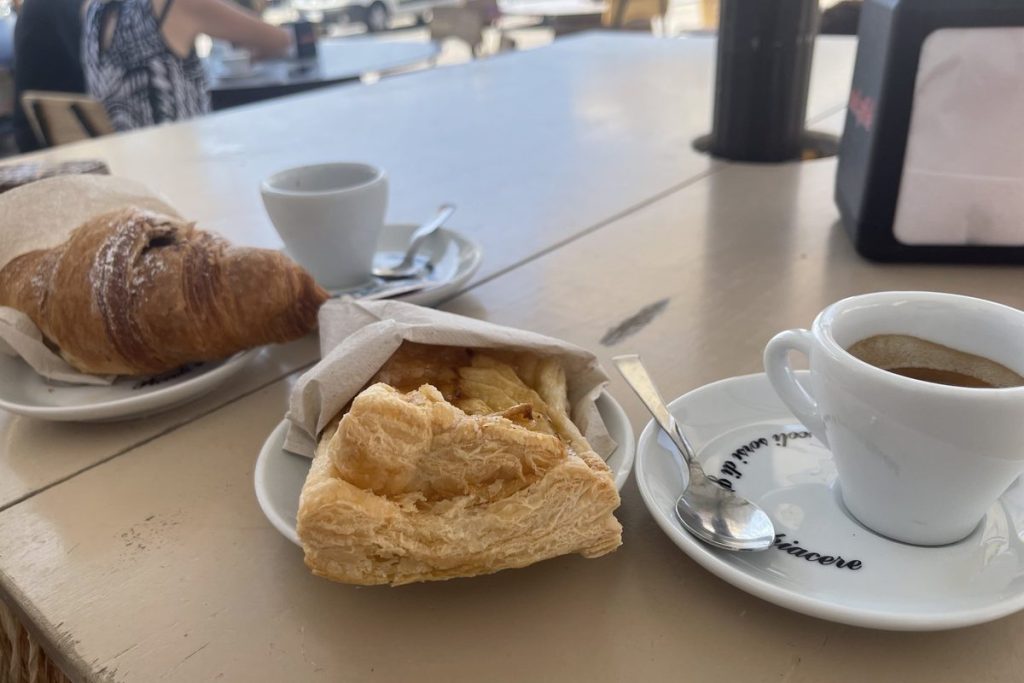
Photo: la-bella-vita.club
Bicerin from Turin
Caffè Al Bicerin, on Piazza della Consolata, has been serving Bicerin since the 18th century. The small glass contains hot chocolate at the bottom, espresso in the middle and cold cream on top. You drink it just as it is, without stirring.
Lecce-style coffee with almond syrup
In Lecce and the Salento region, people pour espresso over ice cubes and add almond syrup. It’s very popular there in the summer. In Naples, the sweet version is called ‘caffè alla nocciola’. It’s served with whipped hazelnut cream.
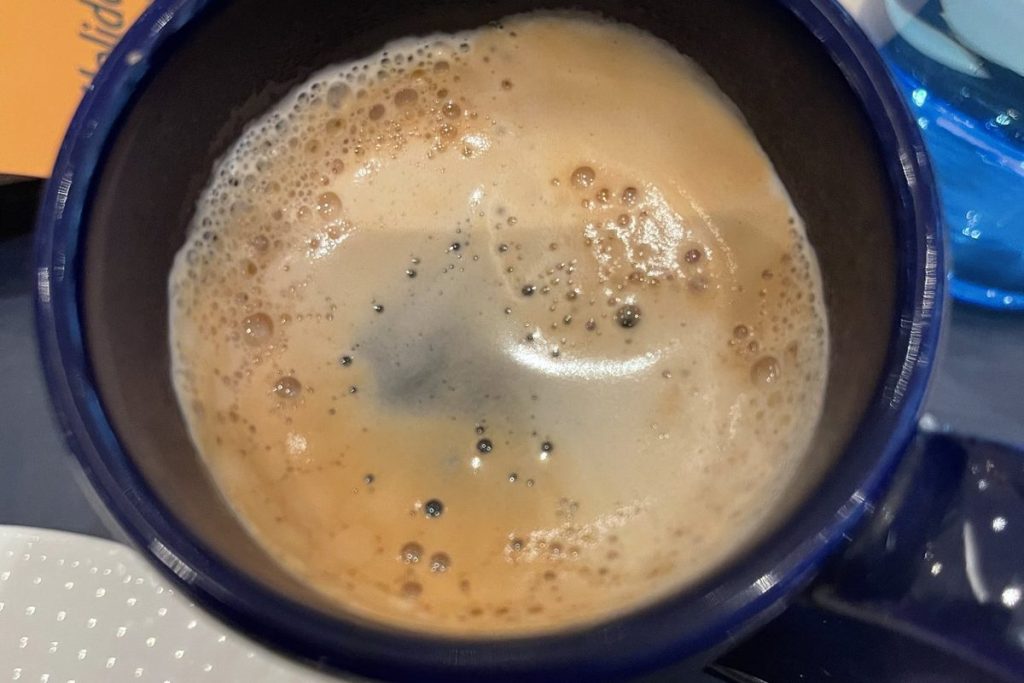
Photo: la-bella-vita.club
A ‘caffè sospeso’ for strangers
The „caffè sospeso“ also comes from Naples. The idea is that you pay for two espressos but only drink one. The other is ‘put on hold’ until someone comes along who cannot afford a coffee and asks for it.

Caffè shakerato for the summer
To make a Shakerato, pour espresso into a cocktail shaker along with ice and a little sugar syrup. After shaking vigorously, it is served in a tall glass and has a light, frothy head. The Caffè freddo is simpler: sweetened coffee straight from the fridge. Many bars also serve ‘crema di caffè’ in the summer: semi-frozen coffee cream from the machine, which you eat with a spoon.
Photo: la-bella-vita.club
Barley coffee and ginseng
Caffè d’orzo is made from roasted barley and is caffeine-free. You can order it „in tazza piccola“ or „grande“. Caffè al ginseng comes from a capsule and is sweet and creamy. It consists mainly of sugar and milk powder, with instant coffee and ginseng flavouring added.
Affogato for dessert
Hot espresso is poured over a scoop of vanilla ice cream. „Affogato“ means ‘drowned’. It’s listed on the dessert menu, not amongst the coffees.


