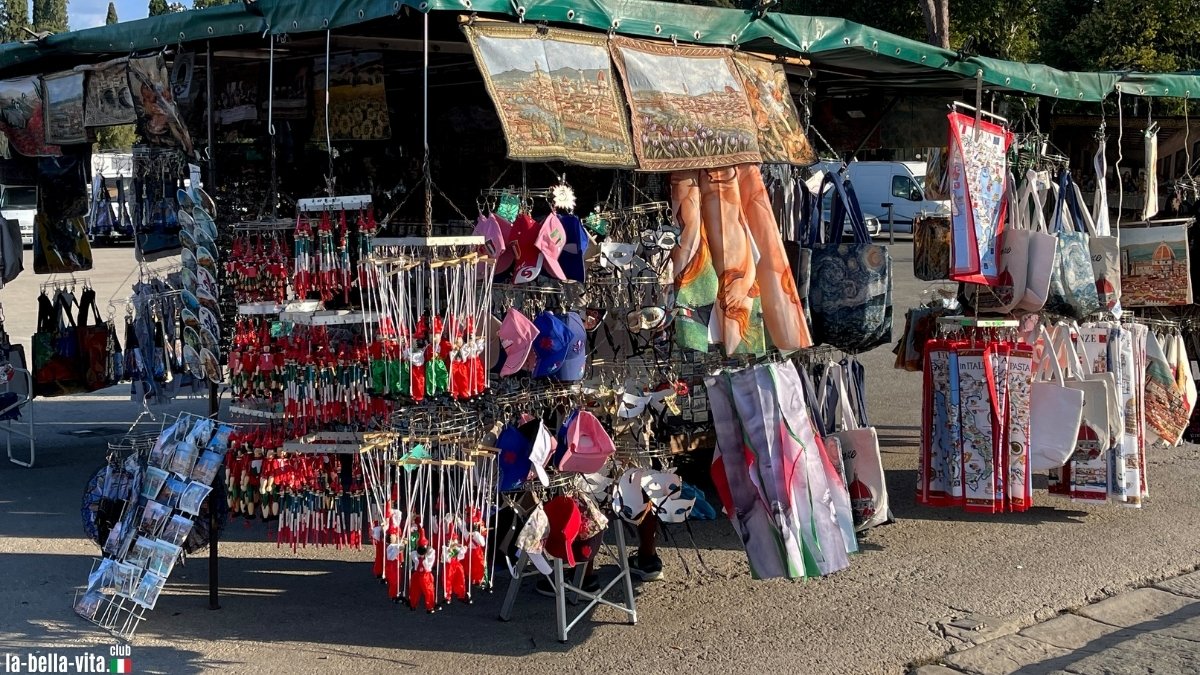
A souvenir shop in Florence.
People love Italy. You book Italy. You prepare for Italy - and then everything turns out differently in the end.
Seven honest tips for anyone who wants more dolce vita next time.
1. you are travelling to the Amalfi Coast - and are annoyed by the traffic jam

The Amalfi Coast is one of the most beautiful coastal roads in the world. And yes, you will be stuck in a traffic jam. Between Positano and Amalfi, bumper to bumper, the cliff to the left, the abyss to the right, a coach in front of you, whose driver is currently engaged in a negotiation with an oncoming van that neither of them can win. This is the Amalfi Coast.
Anyone expecting to make rapid progress here has misunderstood something fundamental. This road was built for mules. The fact that cars fit on it at all today is less an engineering achievement than collective hubris.
Which would be smarter: Nothing. Drive. Stand still. Look out of the window. The view is spectacular even in a traffic jam. And the air conditioning is still running.
Italy in high season: 10 mistakes
2. they visit Florence, but they do not see Florence

It happens a million times a year: Uffizi, David, Ponte Vecchio, photo, onwards. Four hours, done, ticked off.
The problem is not the speed. The problem is what is being overlooked. Florence is a city that cannot be exhausted. Once you stay longer, you will discover that behind the tourist façade there is a city with real neighbourhoods: the Oltrarno, the craftsmen's quarter south of the Arno, where restorers repair furniture that is older than many a country. The Mercato Centrale neighbourhood, where Florentines actually shop - not for tourists, but for themselves.
Which would be smarter: Half a day in Oltrarno. No museum. No entrance fee. Just streets. It's amazing what happens when you just start walking.
Italian wisdom for all situations
3. you eat „typically Italian“ - without knowing what that means
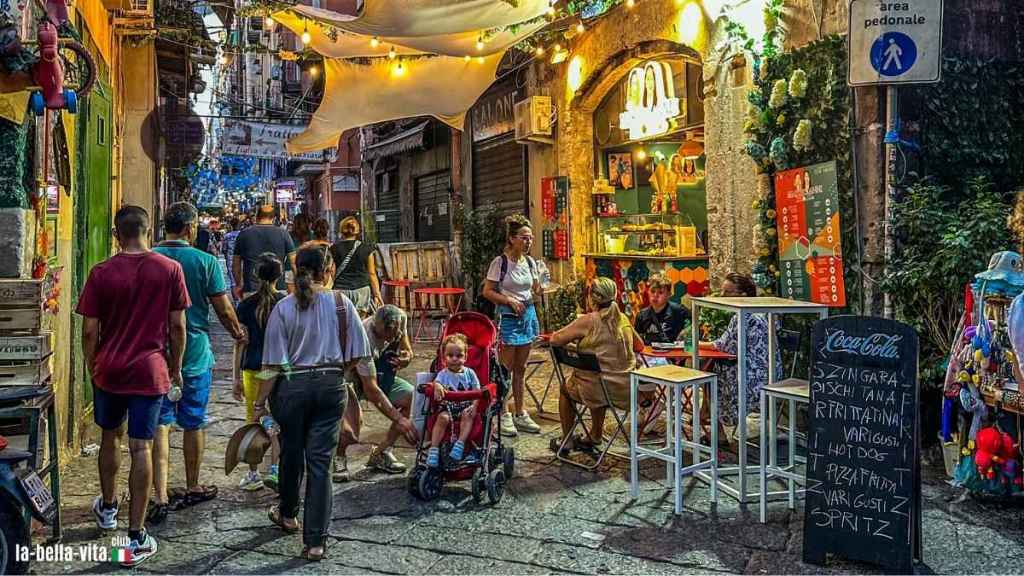
What many people don't realise: Italy is not a culinary country. It is a continent of regional cuisines that have little in common with each other and are genuinely shocked to see the other on the menu. A Romans, who is sold Amatriciana as „typically Tuscan“ gets a look on his face that is difficult to describe.
Who in the Emilia-Romagna eats mortadella, tortellini and Lambrusco. In Calabria, people eat spicy, strong, archaic food. In Veneto, people drink prosecco and eat baccalà. It's all „typically Italian“ - and completely different.
Which would be smarter: Before travelling, spend fifteen minutes researching what the region you are travelling to traditionally serves. Then order it. Not what is the only thing translated into English on the tourist map.


4. you underestimate the siesta - and overestimate yourself

It's 2 pm. It's 36 degrees. You want to go to the second museum of the day. The Italians would pause for a moment at this point and ask: Why?
The Ferragosto principle - the collective retreat in August, at lunchtime, in the shade, with a glass of cool white wine - is not laziness. It is structural intelligence. Walking in the midday heat through streets that have been storing sunlight for two thousand years turns a holiday into an endurance event.
Which would be smarter: Adopt the rhythm of the country. Get out early when it's still cool and the cities are still empty. Take a break at lunchtime. Go out again in the evening - when the locals go out too, the bars are full and the hours are really good.
5. you book Venice - and wonder about Venice
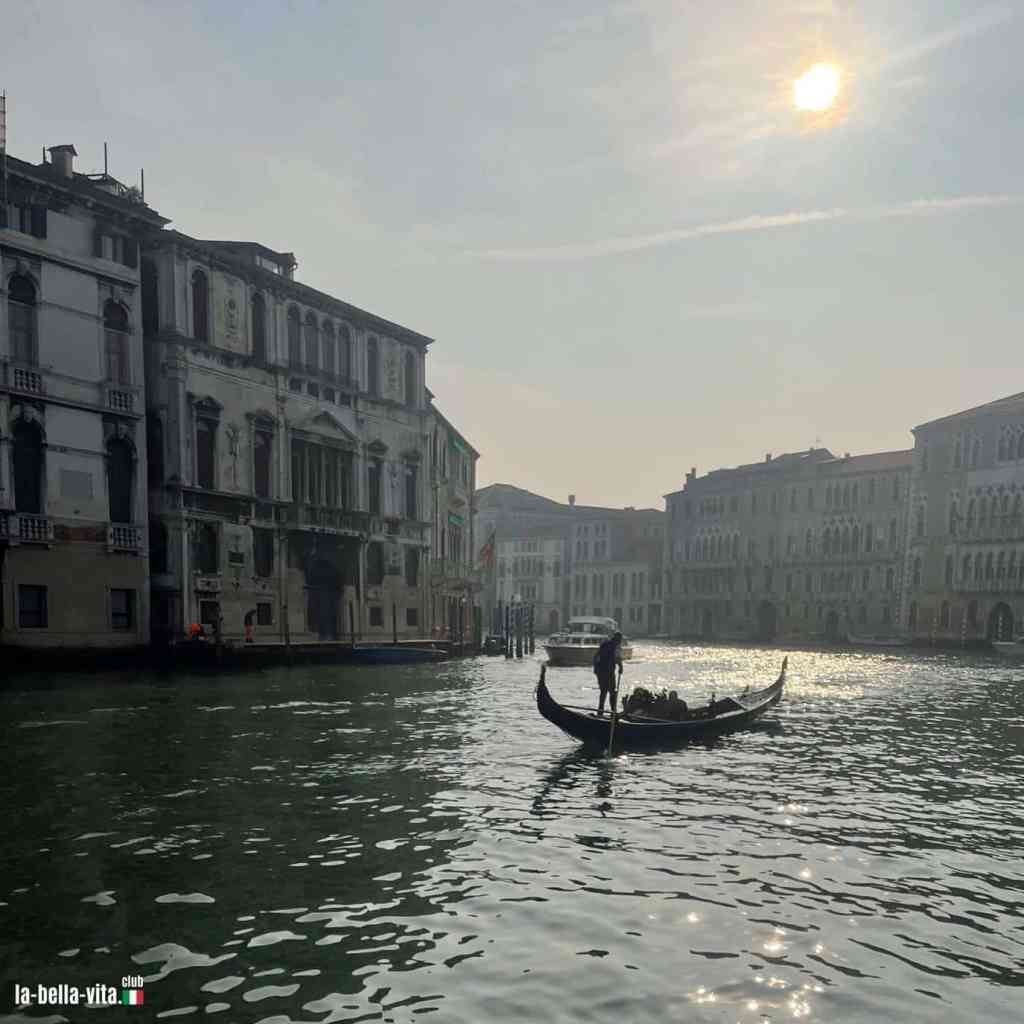
Venice is out of this world beautiful, and anyone who has never been there should go. But if you've already been there and are coming back because you „didn't really see anything“ the first time - let me tell you: that wasn't a mistake in your preparation. That was Venice.
Venice is so full that the city now charges entrance fees for day tourists. The population has fallen by more than half in recent decades - not because the city is doing badly, but because life there is becoming increasingly difficult for real people.
Which would be smarter: Get up at six in the morning. Not at seven. Six. Venice still belongs to itself at this hour - the alleyways empty, the mist over the Grand Canal, a bakery opening somewhere. The Venice that you see in old photos and think has disappeared still exists.
6. you stand out unpleasantly - in church
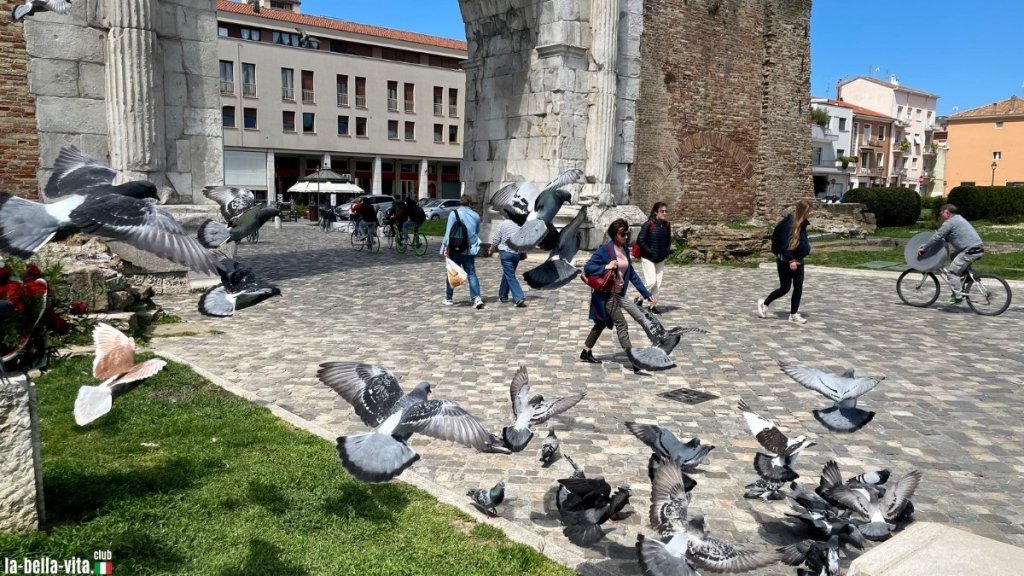
Covered shoulders, no shorts, be quiet: Almost everyone knows that by now. What is less well known is the concept of the „chiesa aperta“ - the open church, which does not want to be a tourist attraction, but a place of worship that is currently in use.
Anyone who enters a village church while a mass or rosary is being prayed inside and then takes photos of the frescoes with their smartphone while the faithful are praying - that's not putting their foot in their mouth. That's crossing the line.
Which would be smarter: Pause briefly before entering. Observe. If it's busy inside, either sit still and wait - or come back. The church is not going anywhere. It has been standing since the thirteenth century.
7. they plan too much - and realise that they don't understand anything
Four cities in seven days. With train tickets booked in February. With restaurant reservations. With museums for which the time slot was set three months ago. Italy does not reward this.
This is not intended as propaganda for spontaneity - anyone who turns up in Rome in July without a reservation and is surprised that the Borghese Gallery is fully booked has other problems. But the best thing Italy has to offer defies planning. It's the café in the piazza where you actually just wanted to have a quick drink of water and then sit for two hours. The turn-off that wasn't signposted. The conversation with the landlord, who suddenly takes a bottle out of the cellar and explains: „This is only for good guests.“
Which would be smarter: Plan a day on which nothing is planned. Not as a lazy day. As a day of openness. Chances are good that it will be the best day of the trip.
Buon viaggio. And please: no cappuccino after eleven o'clock. That was the bonus tip.
More in the magazine

„Piano, piano“: What Italians say when we’re stressed
People who live in Italy talk about time differently

How to understand the menu in Italy
A short language course for great moments at the table.

The 10 golden rules for dining out on holiday in Italy
No embarrassment at the table.

San Gimignano in Tuscany: the Manhattan of the Middle Ages
Just under 8,000 inhabitants and 20,000 tourists on peak days.