
Paul Scheele/ Pexels.com
Ten villages off the beaten track - with medieval alleyways, tufa cliffs and a tranquillity that you won't find in Siena and Florence.
San Gimignano in August. Tour buses line up in the car park like dominoes. Up in the old town centre, crowds of people push their way through alleyways that were actually built for donkeys. Gelato in one hand, smartphone in the other. There's nothing wrong with that. San Gimignano is beautiful, even with thousands of people in it. But it is not necessarily what most people expect when they visualise a picture of Tuscany. The postcard motifs are still there. You just have to take the exit from the motorway, for example to:
Anghiari
Close to Arezzo, in the upper Tiber Valley, Anghiari follows a long fold of a hill - the little town is so well preserved that film crews regularly shoot here because there is hardly anything to hide or rebuild. Officially, it is one of the most beautiful villages in Italy. Unofficially, hardly anyone knows that. An old man sweeps outside his front door. Somewhere it smells of stew.
- More info here (external)
7 exciting places that hardly anyone knows about
Loro Ciuffenna
Right on the Ciuffenna river, also in the province of Arezzo, stands one of the oldest water mills in Tuscany - it still grinds today. There is also a medieval bridge that looks like someone built it for a calendar but never reported it. Good for walks, good for nothing in particular.
- More info here (external)
Montefioralle
Above Greve in Chianti, laid out in a circle in the eleventh century, vineyards stretch right up to the walls. Many Chianti travellers know Greve itself. Montefioralle, less than ten minutes up the hill, is much less well known. The view over the rows of vines justifies the diversions even when the village itself is closed.
- More info here (external)
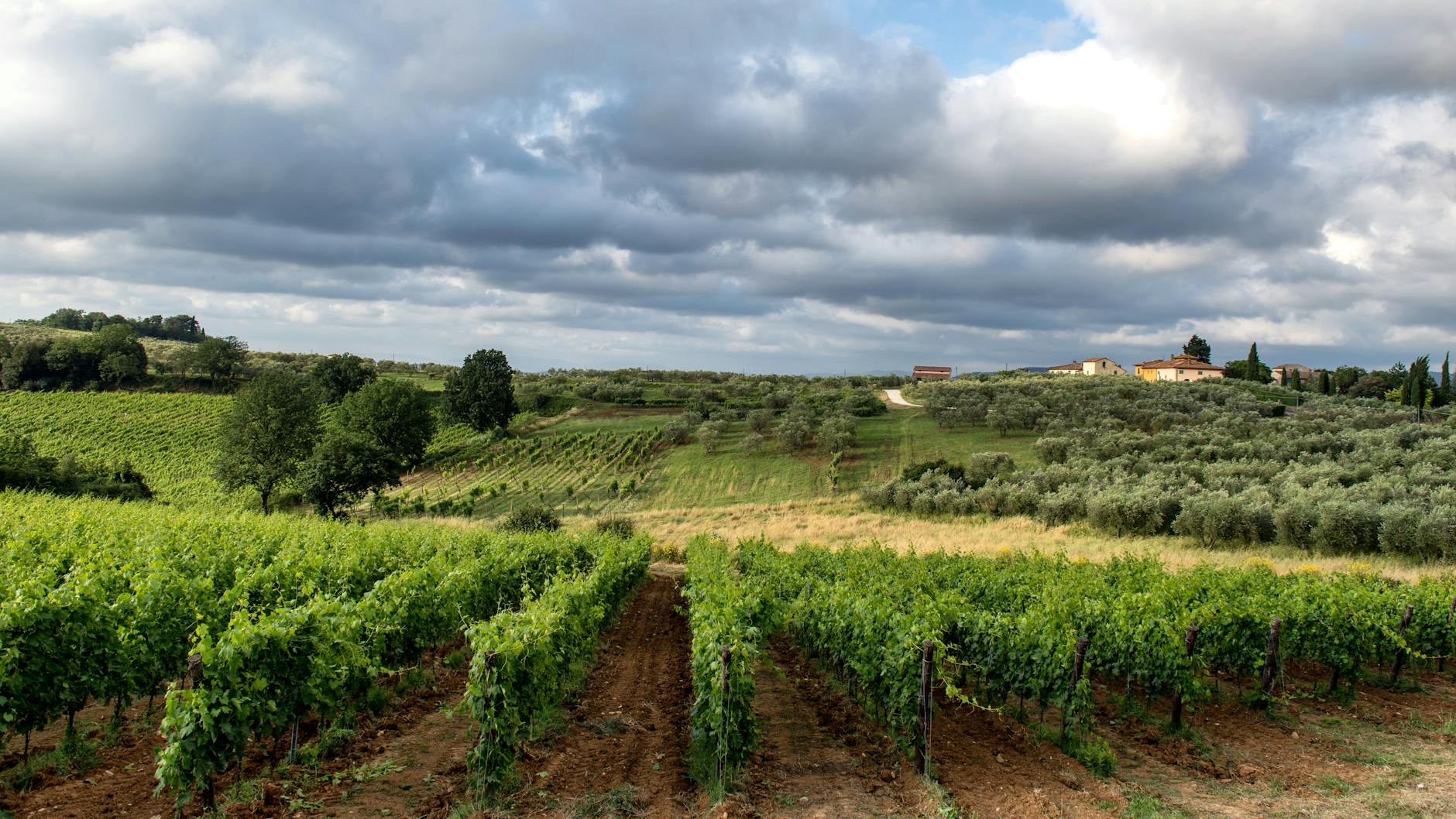
Photo: Wolfgang Weiser on Pexels.com
Sorano
In the province of Grosseto, deep in the Maremma, the village literally grows out of the tufa. The comparison with Matera in Basilicata is not far-fetched - the same drama, the same impact, just without the visitors that Matera now attracts on a daily basis. Sorano has not yet reached this stage. Perhaps it will stay that way.
Montemerano
A few kilometres further on, also Maremma. The locals call it paese dell'amore, village of love. Stone houses on a hilltop, medieval alleyways and frescoes in the village church that don't really belong there - too good for a place of this size. Art historians are still arguing about where they came from and when exactly.

Pitigliano
The most famous of the three Maremma villages and yet still manageable in terms of hustle and bustle. The nickname „Little Jerusalem“ dates back to the sixteenth century, when Jews fleeing from the popes of the Papal States found refuge here. The houses protrude from the tuff rock, some seem to have been carved directly into it. The Jewish quarter with its small synagogue is still preserved today.
Montefollonico
South in the Val d'Orcia, panoramic view of the Crete Senesi, a Piazza del Comune where there are still seats available at lunchtime. The cuisine is Tuscan with no mark-up. Anyone who knows the Val d'Orcia and not yet Montefollonico has always taken the wrong turn.
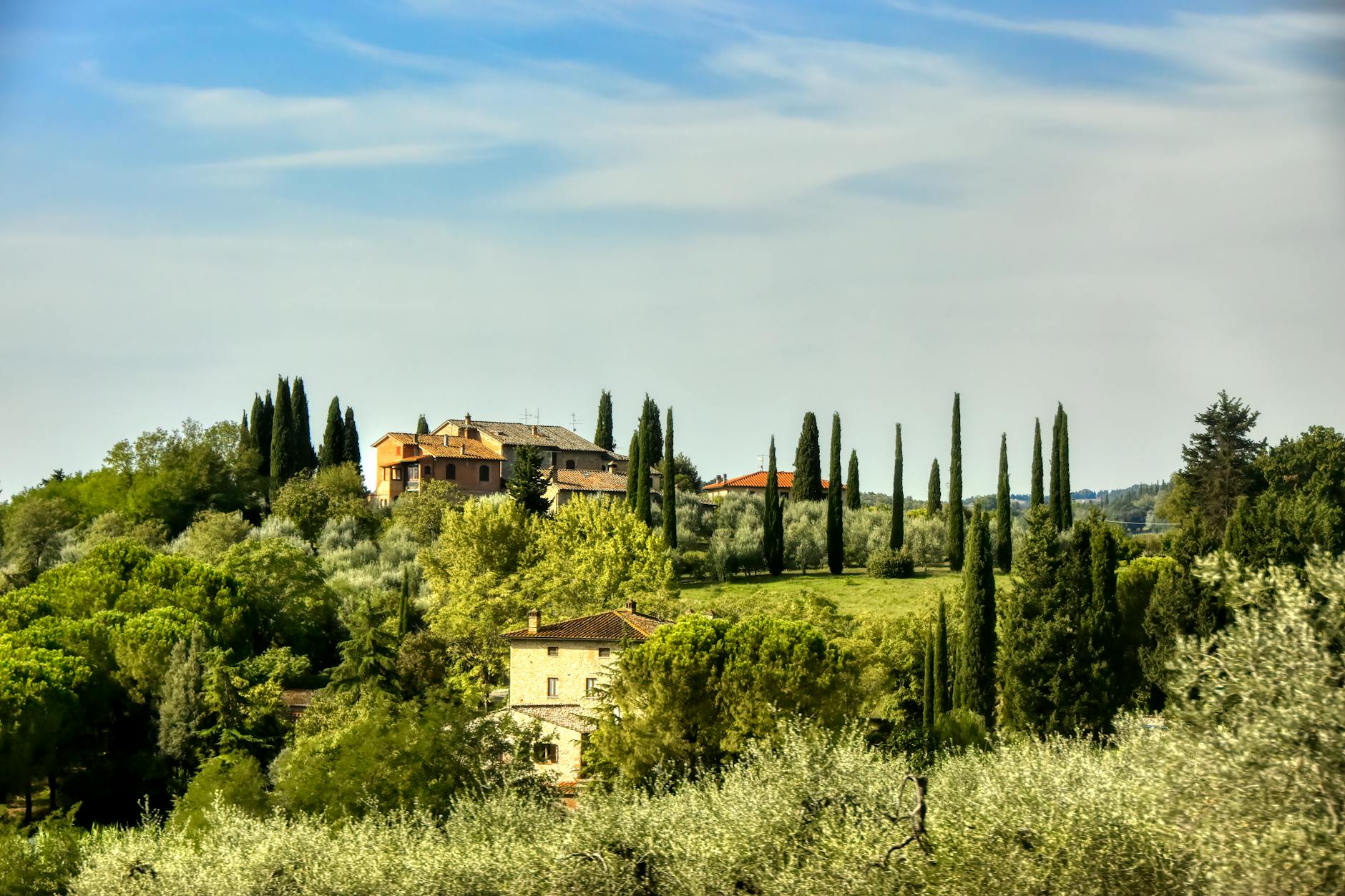
Photo: Marc Peeters on Pexels.com
Santa Fiora
On Monte Amiata, the extinct volcano in the south of Tuscany, the village has an unusually close connection to the mountain's water sources. The noble Aldobrandeschi family ruled here for centuries and its history is embedded in the walls. The Fiora flows beneath them.
Arcidosso
Further up the Amiata, dominated by the Torre Aldobrandesca. Old streets, churches, no high gloss. A mountain village that doesn't put itself centre stage.
Castelvecchio
Between San Gimignano and Volterra, in the forest. No longer an inhabited village - the ruined medieval settlement has been archaeologically excavated since the 1970s. No infrastructure, no catering, nothing. Just stones, trees and the question of who lived here and why everyone left at some point.
More in the magazine

The 10 golden rules for dining out on holiday in Italy
No embarrassment at the table.
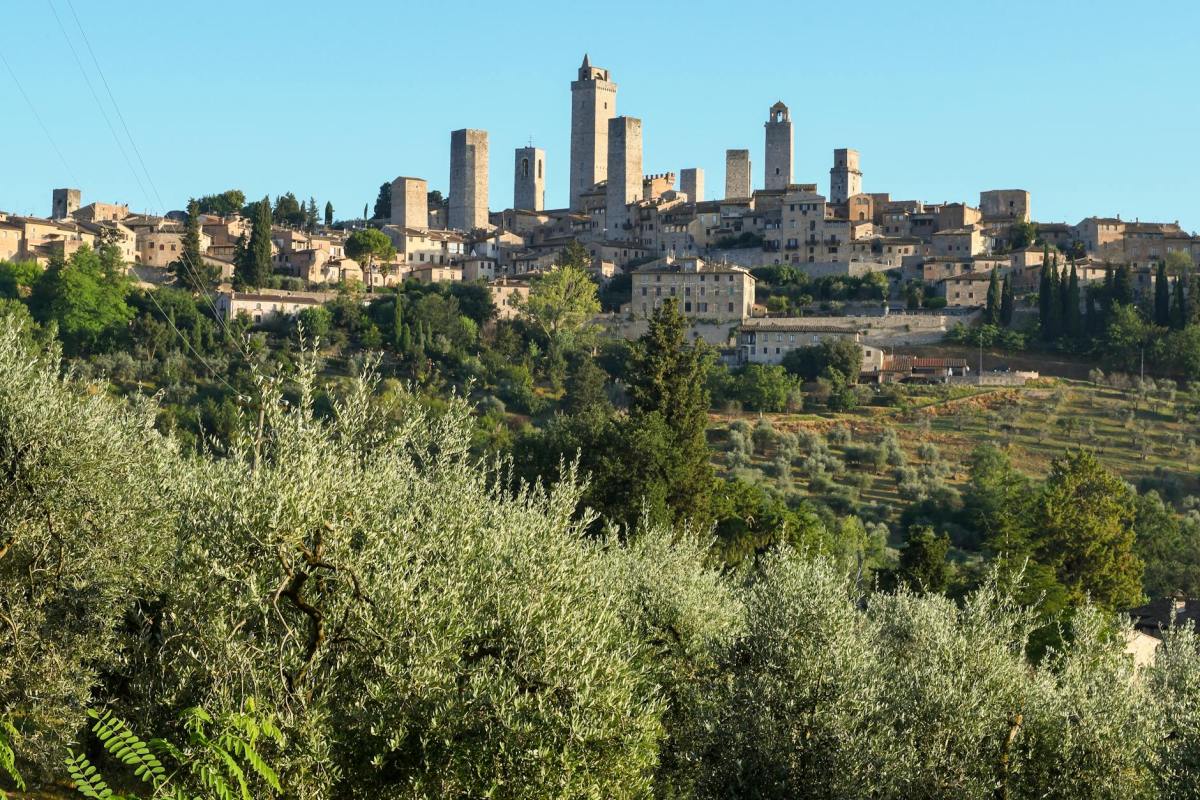
San Gimignano in Tuscany: the Manhattan of the Middle Ages
Just under 8,000 inhabitants and 20,000 tourists on peak days.

Parking in Italy: These signs cost holidaymakers money every year
Warning: it’s expensive.