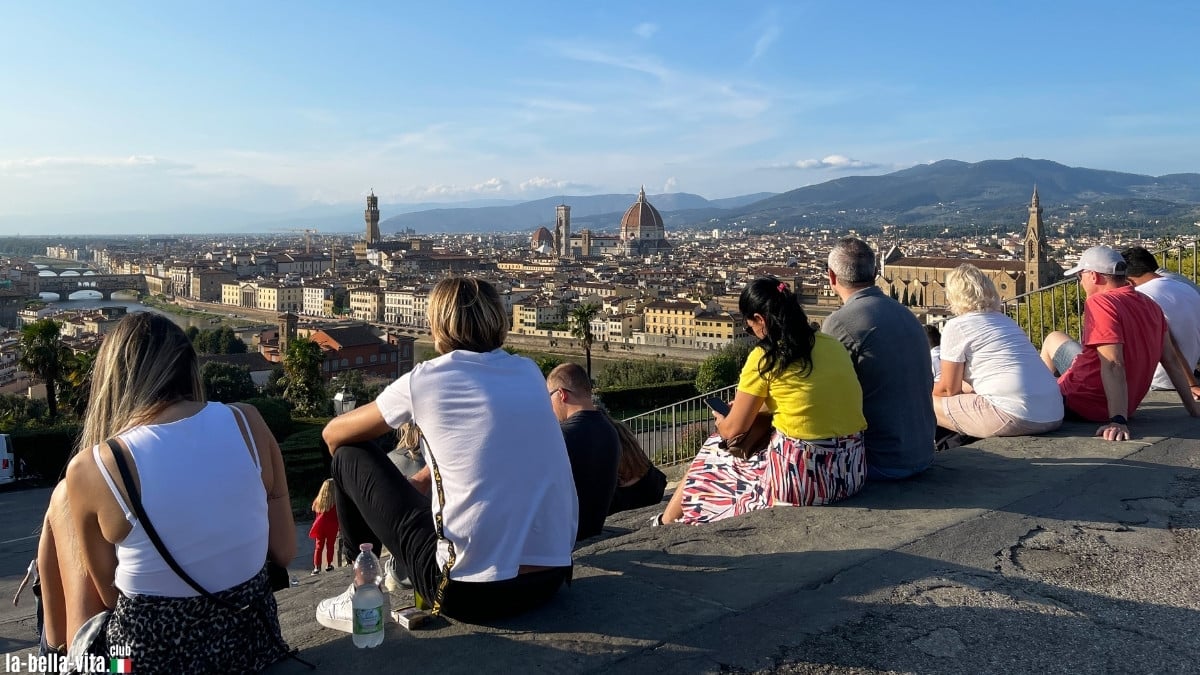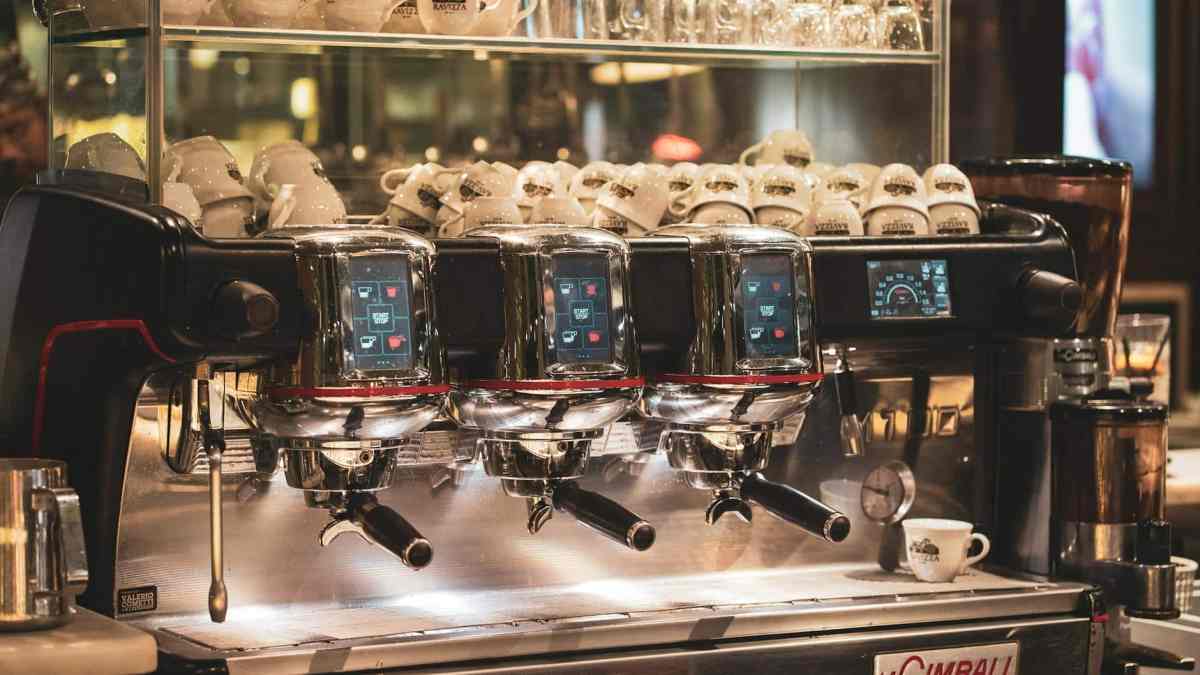

Symbol photo by Vincenzo Iorio on Pexels.com
From our editorial team
"Expresso" - and other little slips of the tongue. How to make your Italian more Italian.
If you only point your finger silently at the menu in Italy, you're missing out. Not only in culinary terms, but also in terms of sound. Because Italian is like a well-performed opera singer: powerful, melodic, full of drama. Naturally, you don't want to mess up the notes. Here are the ten Italian words that many people mispronounce.
Espresso - without the "x", please!
Let's start with the classic: "Espresso". None "x". Never. Even if it is served quickly - the name has nothing to do with express to do. Who "Expresso" probably also drinks "Latte Macchiado" with "d": It means Espressospoken as written.
Bruschetta - with a bite

The next stumbling block comes from the appetiser corner: Bruschetta - often referred to as "Bruschehta" is distorted. The "ch" is pronounced like a hard German "k". So Brus-ketta. Not tender, but snappy. Think of crusty bread with garlic - that calls for plain text, not fabric softener.
"Prosähtscho" with speed
The rustic "Prosähtscho", as it is sometimes called in this country - often in jest - hardly sounds like Dolce Vita. In Italian, the "cc" before an "o" is pronounced as a hard "k", and the same applies to the "g". If you like it particularly authentic, leave the "r" in Prosecco roll elegantly and the "s" hisses distinctively. Pronounced: Pro-sekko.
Mamma mia, mangiare!

PIadine from a small snack bar in Rimini 
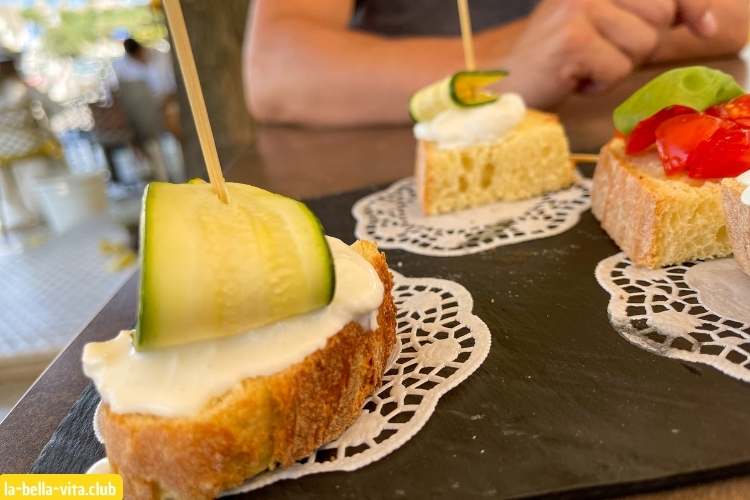
...and here is some finger food in Alberobello in Apulia 
A full load of chocolate from the pasticceria in Apulia Pizza from Naples Once fresh seafood on the Adriatic An ice cream parlour in Florence A lemonade stand in Naples Antipasti from Campania 
The display at the wholesale market in Florence.




"Tackliatelle" - no German "g" please
Yes, the word looks complicated. And it sounds complicated - if you say it wrong. Many people say Tagliatelle with a hard "g", which often even sounds like "ck". But in truth, there is an onomatopoeic jewel hidden here: "Taljatelle". The "gli" is pronounced like a soft "lj", as if you were stroking a kitten.
- The fascination of Cinque Terre: How five fishing villages became world-famous
- Bistecca alla Fiorentina: the superstar of Tuscany
The correct pronunciation
- is a "ch" one "e" or "i", it is pronounced like a hard "k", as in Chiara
- a "c" or "g" before "a", "o" or "u" is pronounced hard (as in Carolina)
- is a "c" or "g" one "e" or "i" it is pronounced softly, "tschi" (-ci) or "tsche" (-ce) or at "buon giorno".
- "gn" as with lasagne is used in Italian to "nj" (pronounced as in cognac)
"Latte Mattschiato"
If you want to order your coffee in style, you should use the Latte macchiato sound as if it had been dragged through a puddle. At macchiato there is an "h" between "c" and "i" and that sounds like a clear "k". If you avoid the "mud", you're already halfway there.
Gnocchi - one word, two misunderstandings
Gnochi sounds kind of sweet, but is just as wrong as Knocki. The truth lies somewhere in between - more precisely Njokki. The "gn" combination sounds like a nasal "nj", the "o" is long, the "kk" is soft, almost like a wet kiss. Once you've heard it right, you'll never be able to change it again.
- Insider tip! Why only 2,000 people a year are allowed to visit Montecristo
- Caribbean with Italian flair: what makes San Vito lo Capo in Sicily so special
Tour of Rome - always right
You are currently viewing a placeholder content from YouTube. To access the actual content, click the button below. Please note that doing so will share data with third-party providers.
More InformationAd
🎒🔐 Safe travelling - with the anti-theft backpack from travelite! Zip fastening on the back, hidden compartments and a padded laptop compartment! ➔ [Discover here at Amazon]
The wrong "Parmesano"
The best accompaniment for pasta of all kinds is Parmesan cheese, or Parmigiano in Italian. The pronunciation is not Parmesanobut Parmidschano. Say it with conviction and a little nod.
"Quattro stazoni" - the pizza with the quarters
A real classic among the charming language accidents: "Pizza Quattro Stazioni". Sounds logical somehow - four stations, one for salami, one for artichokes, one for mushrooms and the last one for changing to dessert? The dish is actually called Quattro Stagionii.e. "four seasons". Tip: Simply send an Vivaldi not the timetable.
A vegetable* called "Zutschini"
"Zutschini" or even "Chuzzini": There are several (incorrect) variants for the pronunciation of courgette. In Italian, the "z" spoken softly at the beginning - like the "s" in Soup (no jagged Z as in Sugarand certainly no ch). As is well known, "Ch" before "i" becomes "k". So if you want to pronounce it true to the original, say something like Dsuk-ki-niwith a double "k" and a soft entry.
*In botanical terms, courgettes are a fruit, but in culinary terms they are a vegetable.
Toast with a good "Schianti"
We end our list with a wonderful classic, a good Italian drop - the "Schianti", the Chianti is written - and Kian-ti is pronounced. With this in mind - cheers!
- From north to south: this is how different Italian cuisine is
- Italy like in a film: where you not only feel like you're on holiday, but also in the cinema
Ad
🇮🇹☕ What would a real espresso be without the right cup? Get that bar feeling right at home! ➔ [Discover here at Amazon]