What's behind the little and big peculiarities of Italy? In this section you will find background information and aha stories - from the blue jersey to the cappuccino code.

"Cani di quartiere": Italy's street dogs with official toleration
They belong to no one - and to everyone at the same time.


Es ist ein Fehler aufgetreten. Bitte aktualisiere die Seite und/oder versuche es erneut.


*Ad Rustic olive wood pizza board € 79.99 / Amazon



Es ist ein Fehler aufgetreten. Bitte aktualisiere die Seite und/oder versuche es erneut.

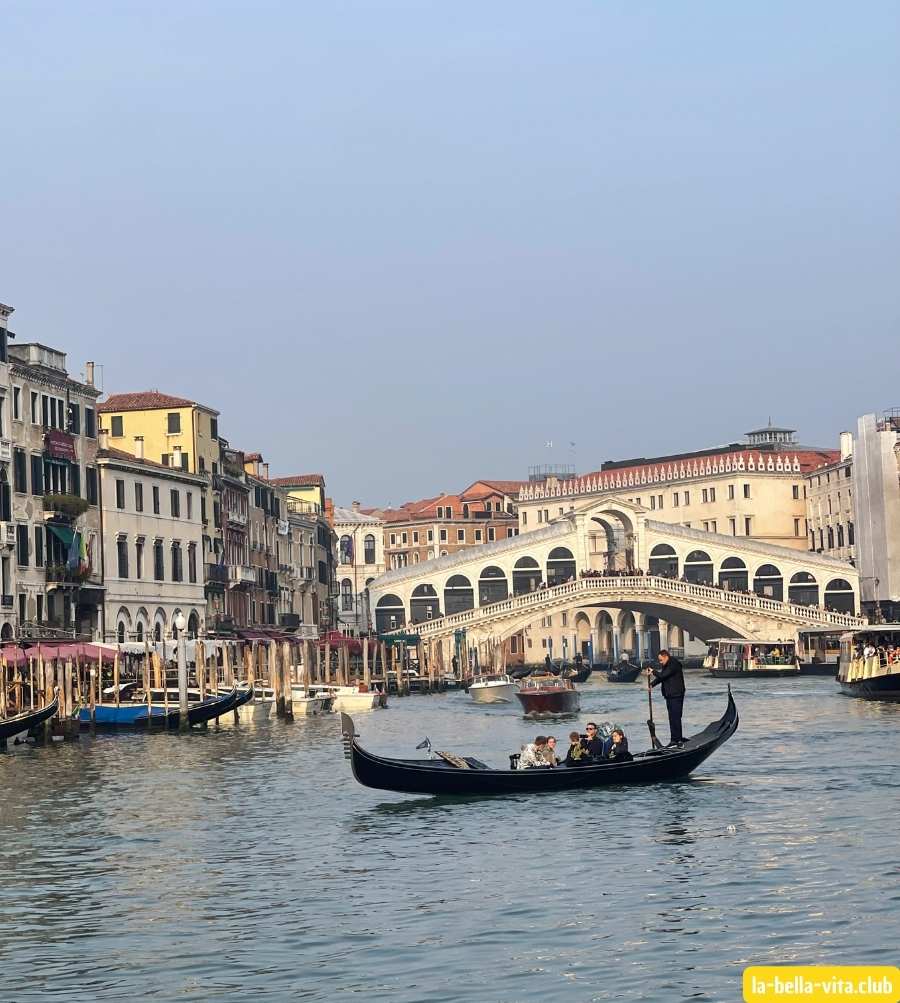
Discover Italy: Behind the clichés, the astonishment begins
Italy is more than just a country. It is a collection of stories, contradictions and symbols - often so familiar that you no longer question them. Anyone who delves deeper into the country will discover surprising details. .
The barley eaters from the Colosseum
Let's take the gladiators: In Hollywood films, they appear as mountains of muscle, glistening with sweat, heroic, with a steely gaze. The archaeological reality is different - and no less fascinating. Skeletal finds and isotope analyses indicate that many gladiators had an increased body fat percentage. Their diet? Barley, pulses, no meat. In ancient sources, they are described as "hordearii" - barley eaters.
*Advertisement Beautiful pasta plates / Amazon


Italy's footballers in blue
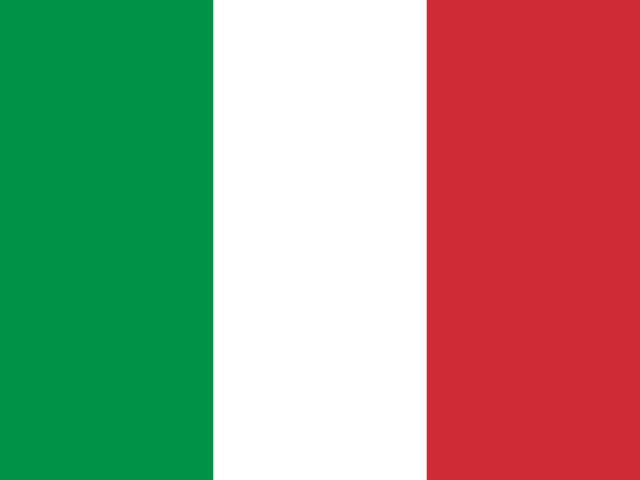
The unexpected also lives on in sport. The fact that the Italian national football team plays in blue, although the flag is green, white and red, seems contradictory at first glance. But the "azzurro" goes back to the House of Savoy, which promoted the unification of Italy in the 19th century. Blue was the colour of their coat of arms - and is still a symbol of an idea of unity that sometimes has a hard time in everyday life.
*Advertisement National Geographic Italy 45 € / Amazon
The short shelf life of governments
The The tricolour itself, now one of the best-known national symbols in Europe, was created in 1797 in the Cisalpine Republic, influenced by the French Revolution. The colours once stood for nature, virtue and sacrifice - later for landscape, the Alps and the spilled blood of the wars of independence. .


The short shelf life of governments
Politically, however, Italy remains a special case. Since the founding of the republic in 1946, thehe country has experienced over 70 different governments - on average one every 13 months. The reasons for this include a complex electoral system, changing coalitions and a highly fragmented party landscape. And yet: the Italian state may often appear unstable, but society functions. Municipalities work, local authorities develop initiatives and in many areas there is a pragmatism that has little in common with the chaos of Rome.
If you really want to understand Italy, you shouldn't be dazzled by the surface. Because where it becomes too complex for quick judgements is where the real excitement begins.
Ad Lightweight trekking rucksack € 35.99 / Amazon