
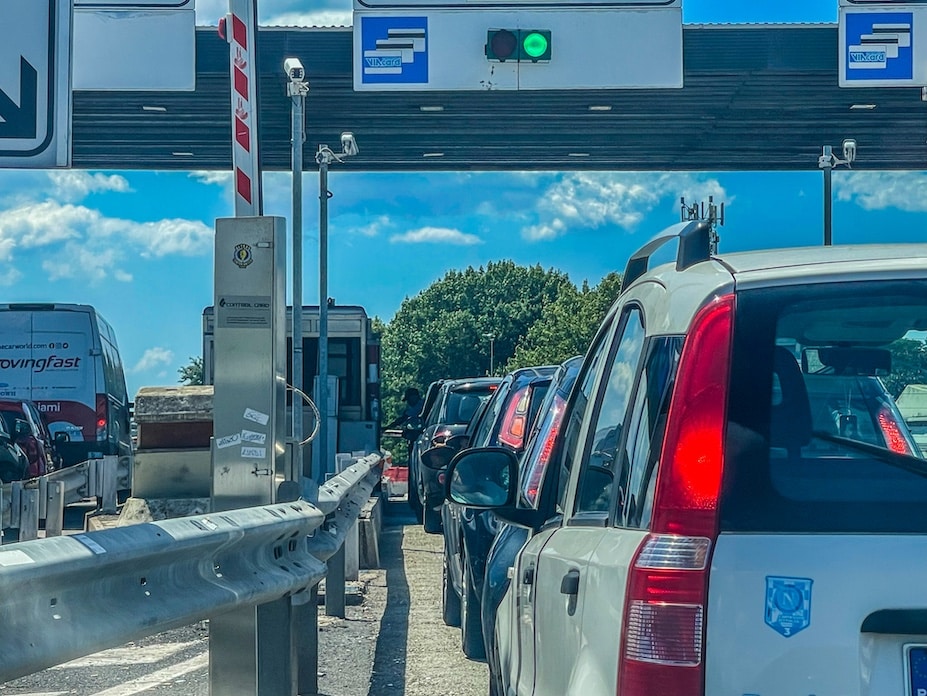
The most Italian of all holidays. On 15 August, on Ferragosto, Italy is paralysed. The whole country is off. The motorways are empty, the beaches and mountains are full. But why actually...
The highlight of summer: Ferragosto is (usually) spent together with friends and family - with lots and lots of delicious food. Optionally there is a pranzo di FerragostoA very sumptuous lunch at home (or in a restaurant). Optional barbecue outside or picnic on the beach or in the mountains.
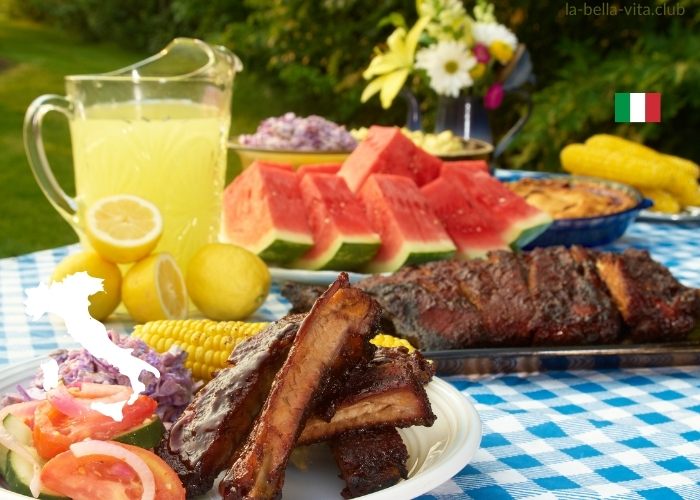
Photos: cholloway/Getty Images Pro via canva.com
Celebration begins with the Romans
Three holidays for Rome: More than 2000 years ago, the first Roman Emperor Augustus introduced the "feriae Augusti". (Latin for holiday of Augustus) a. The people are allowed to celebrate the triumph over Egypt for three days. August had defeated his Roman adversary Marcus Antonius and Cleopatra.

Photo: PippaWest/Getty Images via canva.com
These three days in August, later only the 15th, become holidays throughout the Roman Empire. The harvest god Consus and the end of harvest work are also celebrated during this time.
- Italy like in a film: where you not only feel like you're on holiday, but also in the cinema
- "The Godfather": Words that wrote world history
The church takes over
In the course of Christianisation, a religious festival - the Assumption of Mary - was placed on what was actually a Roman holiday. The Assumption of Mary into heaven is celebrated. The Eastern Church introduced the holiday at the beginning of the 5th century, the Catholic Church followed in the 7th century.
In the fascist era under Benito Mussolini, Ferragosto becomes a day of travel for the people, including the working class. From the mid-1920s, the government offers discounted tickets for special trains to the sea or the mountains through fascist organisations.
+++ Driving a Ferrari in Maranello: no problem! Ad
Ferragosto today
Around 15 August, most Italians plan their summer holidays these days. The season is at its peak, and so are the prices. Many hotels and campsites are fully booked. Outside the holiday resorts, administrative and economic life virtually comes to a standstill. Ferragosto is like a holiday for the whole country, with many town festivals, celebrations and fireworks.

Photo: Zabudorio/Getty Images via canva.com
Especially in the coastal towns, there is a bonfire for Ferragosto and parties on the beach. At midnight, people traditionally go swimming. Another typical custom on Ferragosto is throwing water balloons or spraying water (buckets). "Gavettoni" are especially common in coastal towns. In some regions, people also celebrate in Ferragosto.
In Italy, it is customary to wish each other a happy holiday, a "buon ferragosto".
More stories from Italy here...
- Why are most shutters in Italy green?
 The reason is chemical.
 - Osteria, ristorante or trattoria: where can you find what?From simple to exquisite.
- „Piano, piano“: What Italians say when we’re stressed
 People who live in Italy talk about time differently
 - How to understand the menu in ItalyA short language course for great moments at the table.
- The 10 golden rules for dining out on holiday in Italy
 No embarrassment at the table.
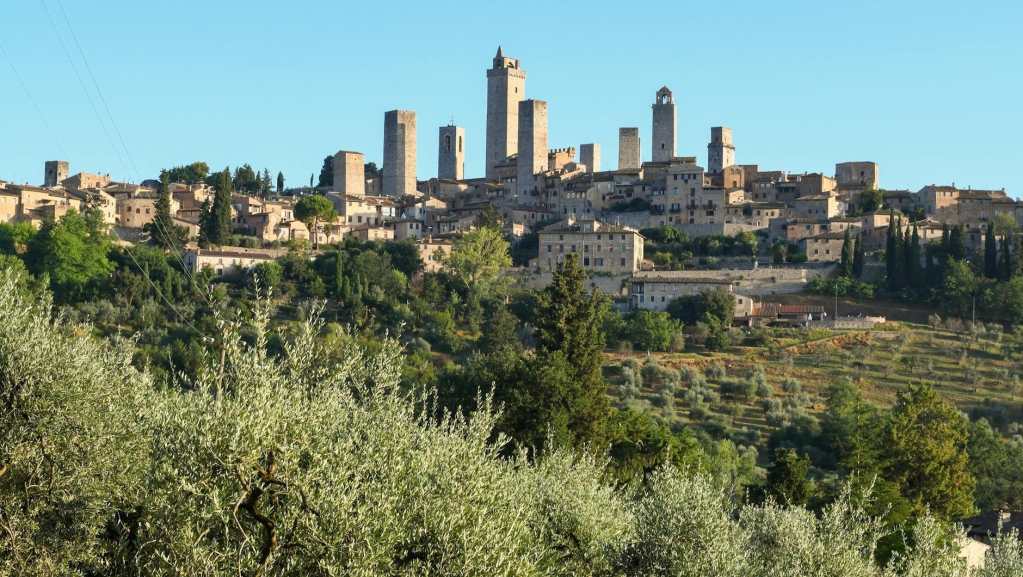
 - San Gimignano in Tuscany: the Manhattan of the Middle Ages
 Just under 8,000 inhabitants and 20,000 tourists on peak days.
 - Parking in Italy: These signs cost holidaymakers money every yearWarning: it’s expensive.
- 8 things Italians do on the beach that are completely different from what we doThe unwritten laws.






You are currently viewing a placeholder content from YouTube. To access the actual content, click the button below. Please note that doing so will share data with third-party providers.
More InformationSunset with Wow! The Spanish Steps in Rome...
Cover/Montage - Photo: fotostorm/Getty Images Signature via canva.com
Photos: Photo: Newman Studio/Getty Images via canva.com; simonkr/ getty images signature via canva.com; Billion Photos via canva.com; Ramon Berg/Getty Images via canva.com