
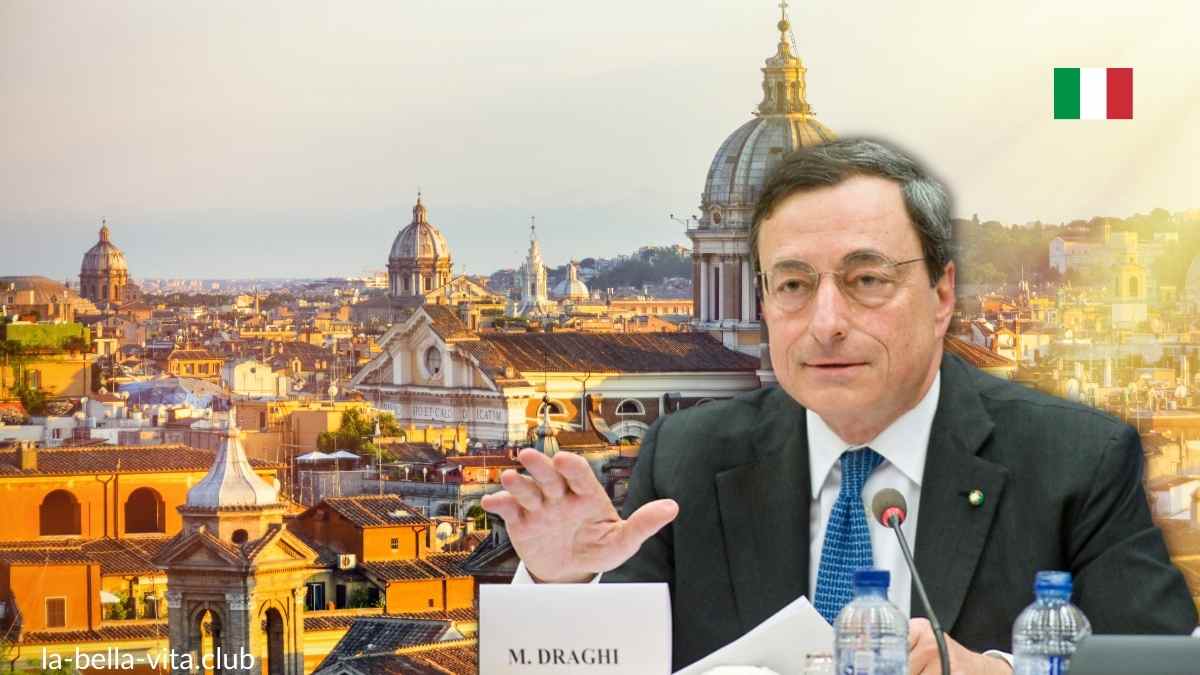
One party is enough to drive Italy into political chaos. Instead of dealing with drought, inflation, energy, Corona consequences and Ukraine war, there is (once again) a coalition in crisis.
What Italian politics is about this time....
Italy in government crisis
- The trigger for the government crisis
- Chaos in the economy
- Who benefits from new elections?
- Where did Draghi come from anyway?
- And now? Italy's prospects...
Into the crisis with waste
In mid-May, the government of the non-party Prime Minister Mario Draghi (74) decides on an aid package of about 23 billion euros. It is about benefits for families, the needy and companies that are particularly affected by energy prices. The "Five Star" party is currently the strongest force in the government.
Article 13 of the aid package deals with the construction of a waste incineration plant in Rome. Italy's capital has been groaning under masses of waste for years.
On Monday (11 July), there will be a vote on the aid package in the Chamber of Deputies, coupled with a vote of confidence. The Five Stars abstain on the budget, but express their confidence in Draghi.
The vote in the second chamber of parliament, the Senate, will be different on Thursday, 14 July (more on the Italian political system here). The Five Star members boycott the confidence vote. Because of the planned waste incineration plant in Rome.

Photo: European Union 2013 - European Parliament (CC BY-NC-ND 2.0)
For critics, this is a desperate attempt by the party to make a name for itself again - even if it means Italy is sliding into a government crisis. At the beginning of 2021, the "Five Stars" had failed to form a coalition capable of governing, despite having a majority. While the former protest movement had received almost a third of all votes in the last election, it is now only at just under 12 percent in current polls.
- Five things that Italians do differently when eating out
- Everyone knows Dolce Vita - but what about Sprezzatura?
The pressure within the Five Star Party is enormous. Its Foreign Minister Luigi di Maio (36) has already founded his own party ("Insieme per il futuro") with several MPs.
The incumbent (non-party) Prime Minister Draghi had emphasised in a press conference before the vote that for him there would be no government without the Five Stars: "You cannot govern with constant ultimatums from the governing parties".
After the vote, which he won even without the votes of the Five Stars, Prime Minister Draghi therefore submits his resignation to President Sergio Mattarella (80). He refuses for the time being. The country should remain stable. Draghi is to report to the Senate next Wednesday (20 July) and clarify majorities.
The most important questions before the election in Italy
The 2022 elections: who's who and how does it all work?
Chaos in the economy
No sooner do the Five Stars refuse to support the government than share prices in Milan plummet. The stock exchange closes with a minus of 3.4 percent. The economic situation in Italy is already precarious:
- Corona has hit the country extremely hard, and the economic and financial consequences are not over yet. The government must implement further important reforms in the second half of 2022 in order to secure EU billions from the Corona reconstruction fund. A task with conflict potential.
- In addition, there is the current inflation and price increases.
- Italy is the third largest economy in the EU. Like Germany, it is particularly dependent on Russian gas. Important negotiations are currently underway with Algeria.
- With a debt mountain of 150 percent of economic output, only Greece is worse off in the EU. In autumn, the budget has to be decided, which traditionally leads to disputes.
- Italian agriculture in particular is currently suffering from extreme drought and dryness. Crop losses of more than 50 percent are expected in some areas.
- Short holiday with a hot spring: 7 spas in northern Italy for cold days
- Soak up the sun at the last minute: Italy's insider tips for October
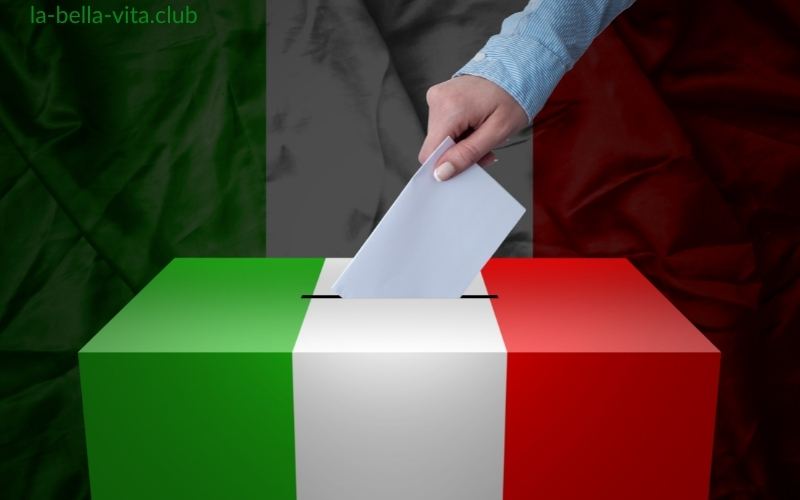
Photo: Martinns/Getty Images Signature via canva.com
Who benefits from new elections?
The regular parliamentary elections will take place next spring. Currently, the first voices are also calling for early elections. For example, the post-fascist "Fratelli d'Italia", the Brothers of Italy. Their head "brother" Giorgia Meloni (45, actually a woman) has already announced that they are ready to govern. The Lega and Forza Italia could also probably secure more votes in early elections, according to forecasts.
The Social Democrats in the government and the small party "Italia Viva" (of former head of government Matteo Renzi, 47) are against new elections and support Draghi. Italy must get out of the economic and financial downward spiral as quickly as possible.
Ad


Where does Draghi actually come from?
Prime Minister Mario Draghi's government is born out of necessity at the beginning of 2021. The previous government alliance under Giuseppe Conte (5-Star Movement) no longer finds a majority. In the middle of the pandemic, Italy has no government.
President Mattarella announces that in view of the difficult situation in the country, a cross-party government will be sought for the good of all. He invites Mario Draghi to exploratory talks.
Draghi appears as a saviour on the horizon. As former ECB president, he has an excellent reputation at home and abroad, and he is also non-partisan. He begins his work calmly, creating an alliance from left to right. For Italy's good, party interests must take a back seat, is his motto. He calls for a "government of national unity". That works at first. For almost 200 billion euros from the EU's Corona reconstruction fund, reforms must be initiated urgently.
The Ukraine War
Draghi's appeal to "national responsibility" wears thin over the months. As the Ukraine war breaks out, the differences within the muddled government alliance become clearer. Draghi demands support for Ukraine and its admission as a candidate country to the EU.
Italy's long-time head of government and "Forza Italia" party leader Silive Berlusconi, on the other hand, has maintained a friendship with Russia's Vladimir Putin for years. The right-wing populists of the "Lega per Salvini" are also very close to the Kremlin and maintain cultural and exchange programmes. Time and again, there are reports of allegedly illegal donations of millions from Moscow to the party, which party leader Salvini always denies.
- Sabaudia in Lazio: This is what Mussolini's showcase city looks like today
- Why Bologna is Italy's safest city for pedestrians

Photo: egromov/Getty Images via canva.com
And now? The perspectives...
The following scenarios are possible in Italy:
Option A: The prime minister faces another vote of no confidence in both chambers. If Draghi passes the vote with a large majority (possibly even with the support of the Five Stars), the coalition would continue to govern as before. A coalition without the Five Star Movement is also conceivable, but with the split-off Five Star Group "Insieme per il futuro".
Option BThere is no majority in the cabinet. President Mattarella must dissolve parliament and call new elections - within 70 days. At the worst possible time: Italy is currently traditionally in summer hibernation, the budget has to be passed through parliament in autumn, and the parties would have to start campaigning headlong.
Option C: In order to bridge the summer break and give the parties more time for election campaigning, a tolerated "beach government" with an interim prime minister is appointed.
More stories
- The wild soul of Tuscany: travelling in the Maremma

- Short holiday with a hot spring: 7 spas in northern Italy for cold days
- Why Abruzzo will be one of Italy's dream regions in 2026
- The Amalfi Coast for the first time: what you should know before you set off
- Sabaudia in Lazio: This is what Mussolini's showcase city looks like today
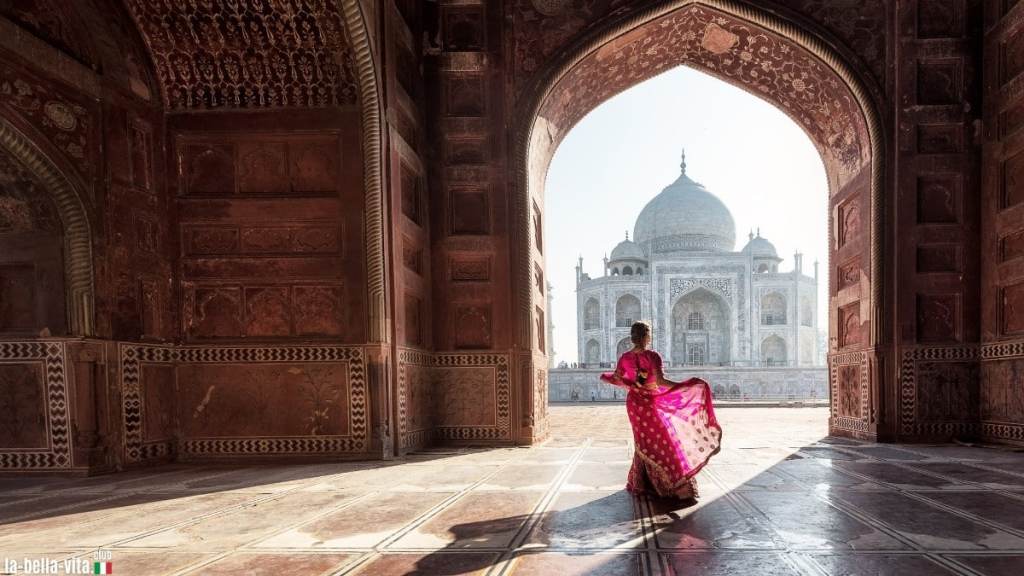
- India's world-famous building: the love story of the Taj Mahal


written by Annie Kayser, first published 16 July 2022
Cover / Montage - Photos: : Starcevic/Getty Images Signature via canva.com; European Union 2011 PE-EP/Pietro Naj-Oleari by CC BY-NC-ND 2.0
Sources: own research; evaluation of the current daily and weekly press


