
Photo: Marek Piwnicki/Pexels
From our EDITORIAL TEAM
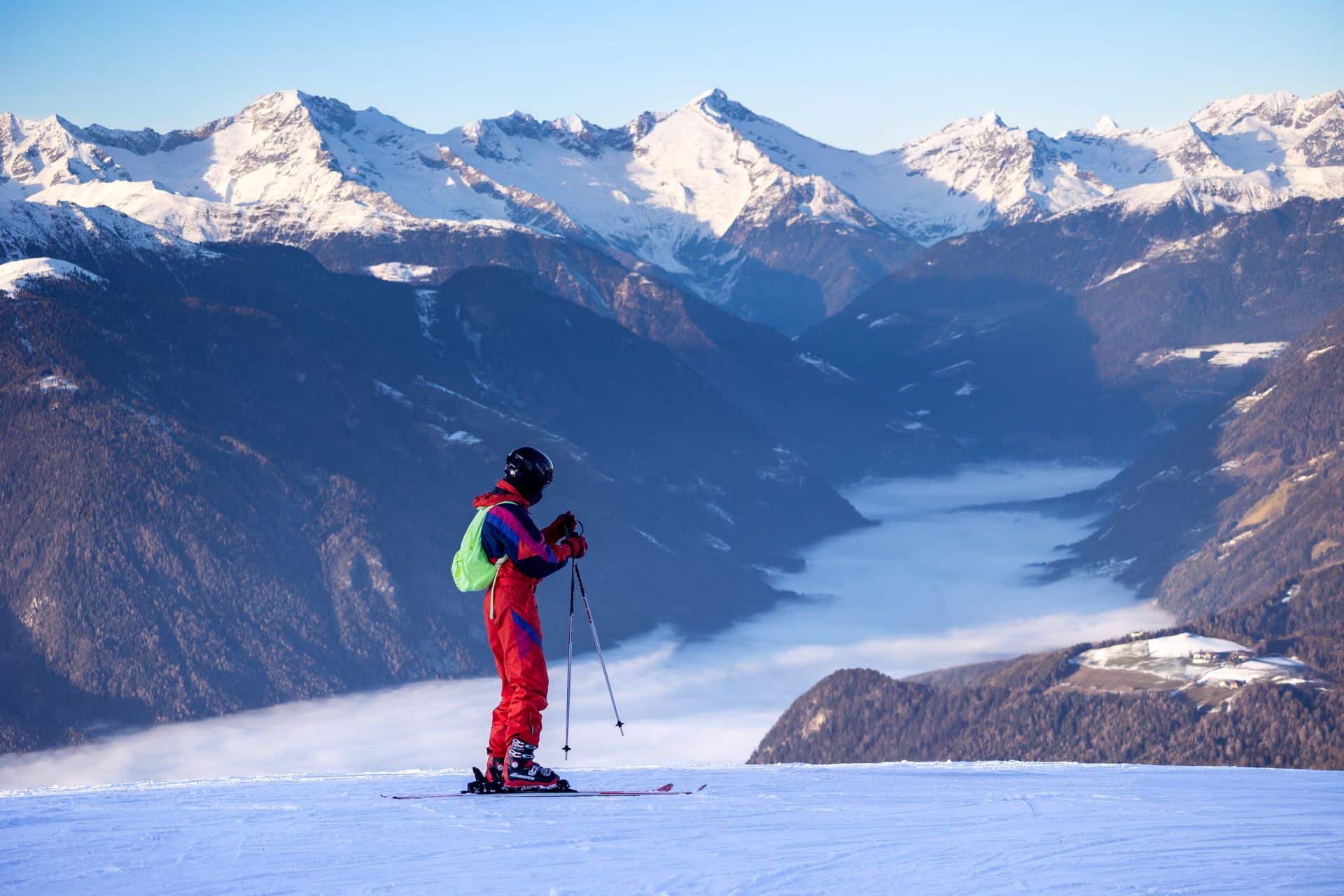
In Italy, nobody is allowed on the slopes without a helmet. Since last winter, this rule has applied to all age groups.
Italy has significantly tightened the rules governing winter sports in recent years. Helmets and third-party liability insurance are now compulsory, and alcohol is banned on the slopes. Violations are punishable by a fine of up to 1,000 euros. Holidaymakers from Germany are subject to the same requirements as locals.
Compulsory helmet use for everyone
Italy is the first country in Europe to introduce a compulsory helmet rule on the slopes for all age groups. From the 2025/2026 winter season, this will apply to anyone skiing, snowboarding, telemark skiing or tobogganing. Previously, only children and young people under the age of 18 were required to wear a helmet. A fine for breaching the rule ranges from 100 to 150 euros. In the event of a repeat offence, the ski pass may be suspended for one to three days.
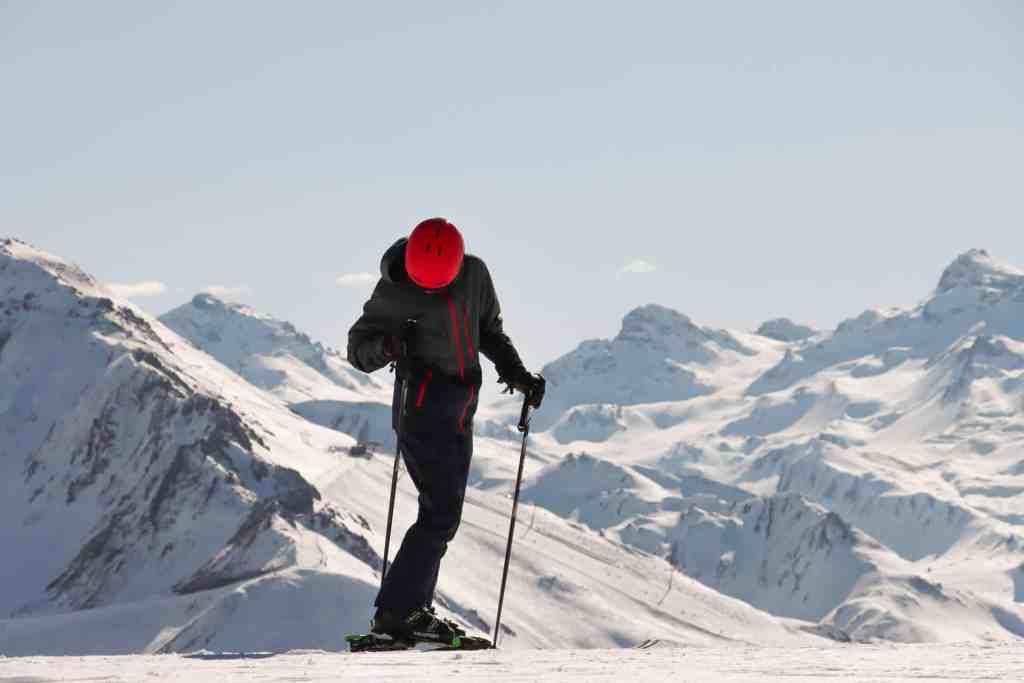
Photo: Pexels
Insurance when buying a lift
Since January 2022, skiers on Italian slopes have been required to have third-party liability insurance covering damage to others. Lift operators must offer this at the ticket office alongside the ski pass. A private liability insurance policy taken out at home is only valid if it also covers winter sports abroad. You should check this before travelling.
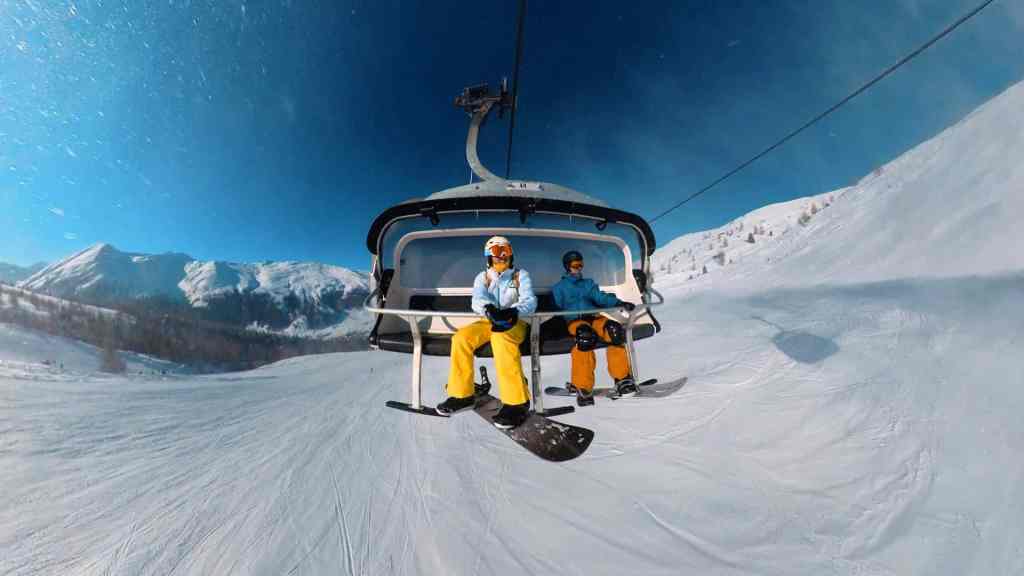
Photo: Pexels

Blood alcohol limit as for driving
Skiing whilst drunk has been banned in Italy since 2022. The law does not specify a separate blood alcohol limit for the slopes; it refers to the Highway Code, under which drunkenness is defined as a blood alcohol level of 0.5 per mille. Anyone caught drunk or under the influence of drugs faces a fine of between 250 and 1,000 euros.

Code of Conduct from the Ski Instructors’ Association
The Italian Ski Instructors’ Association (AMSI) has summarised the statutory rules of conduct for the season in 14 points. Operators must display the rules at the main ticket office and at the main ski lifts.
Your speed should be tailored to your own ability and the conditions on the slope. Anyone coming from behind is responsible for maintaining a safe distance. They must also bear in mind that snowboarders and telemark skiers take different lines to skiers. You may overtake on the left or right, but only if there is enough space. Keep the edge of the slope clear so that others can overtake.
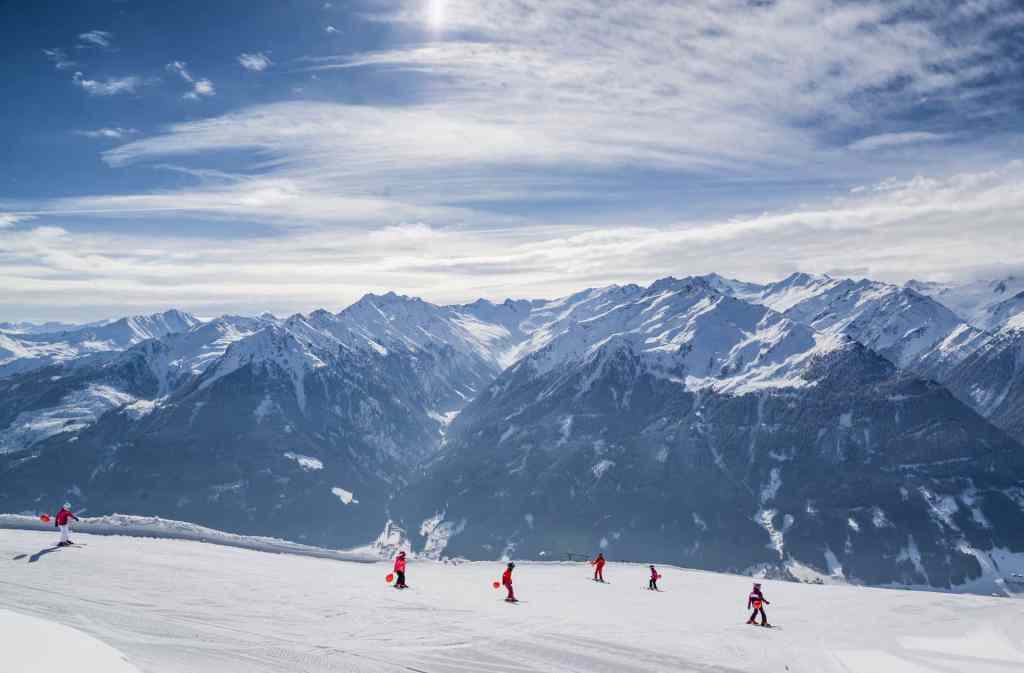
Photo: Pexels
Before entering or crossing a piste, look up and down. You should only stop at the edge or in clearly visible spots, and after a fall, you must clear the piste as quickly as possible. You must not enter the piste on foot or with snowshoes, except in justified exceptional cases at the edge.
Signs and safety instructions must be followed. In the event of an accident, everyone must provide first aid. Special consideration must be given to less experienced skiers.
Find out more from the AMSI Ski Instructors’ Association: amsi.it