
Alberobello in Apulia: Unesco World Heritage Site
From our editorial team
Apulia, the Italian pearl on the heel of the boot. The water ranges from dark blue to incredibly turquoise, the cuisine is fresh from the sea and the landscape offers everything from barren to opulent - with the trulli right in the centre. The round stone houses are the region's landmark.
- An overview of Puglia
- 60 million olive trees in Apulia
- Puglia's landscapes
- This is what beaches in Apulia look like
- The "Maldives of the Mediterranean"
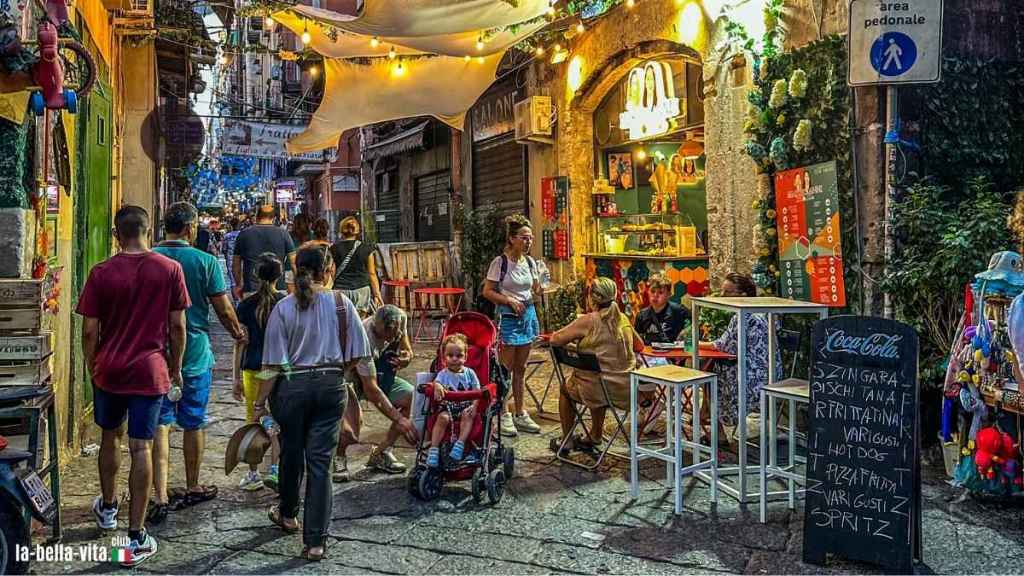
- Puglia's pretty towns and villages
- Puglia's delicious cuisine
An overview of Puglia


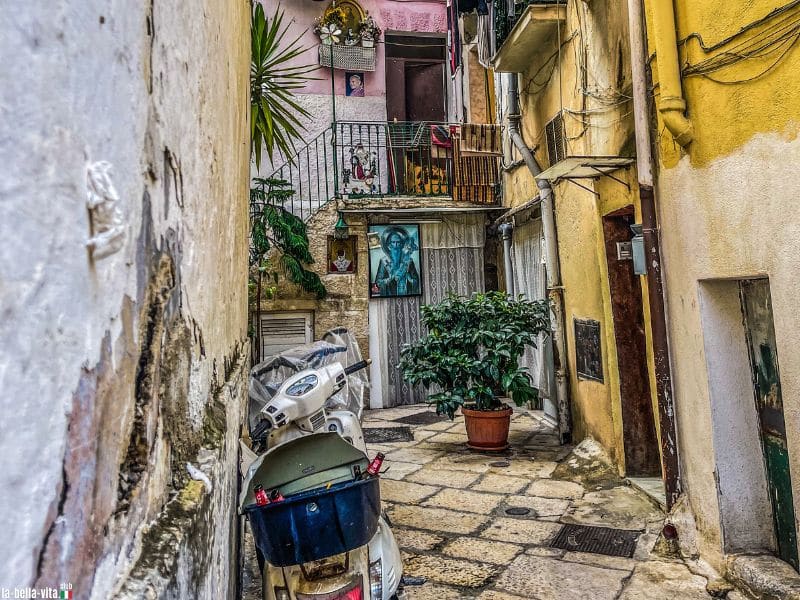


Tourism has not yet overrun Puglia. Around four million people live in the region and about the same number of tourists visit every year. At the very bottom of the heel of the boot, Puglia lies outside the tourist routes between Florence, Venice and Rome. Yet everyone can be happy here: hiking and cycling fans, sun worshippers and water sports enthusiasts, gourmets as well as amateur historians and culture vultures.
60 million olive trees in Apulia

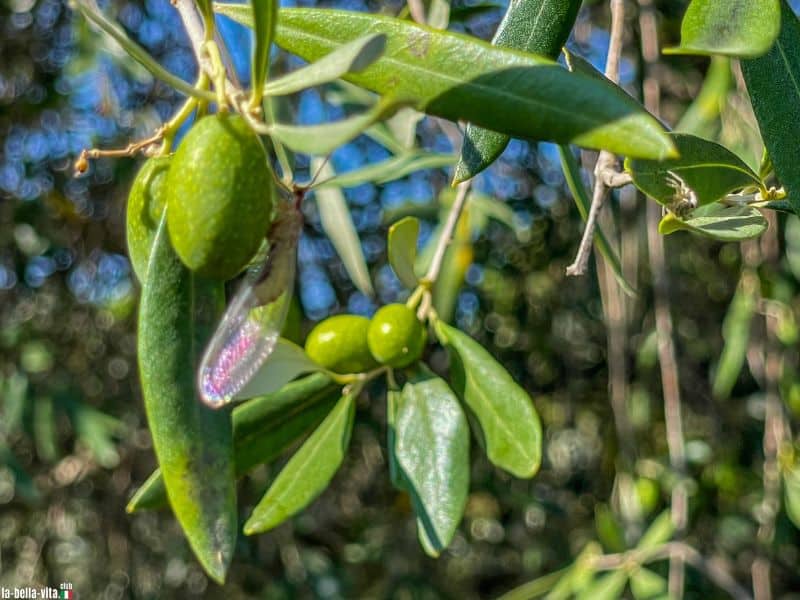
Puglia has a whopping 2,500 hours of sunshine a year. The region is Italy's largest wine producer, it also has by far the most wind turbines and not forgetting the 60 million olive trees, which make Puglia the largest olive and olive oil producer in Italy.you can also experience authentic Italian everyday life in the south: when the laundry blows freshly over the streets and you are greeted with a plate of pasta, optionally with freshly caught sea urchins.
Puglia's beautiful nature from north to south
Puglia has more than 800 kilometres of coastline, the Adriatic Sea to the east and the Ionian Sea to the south. The region is a long, narrow strip of land from the spur to the heel of the Italian boot, measuring only around 150 kilometres at its widest point. The Apulian landscape offers the full spectacle of nature, from barren and dry to fertile and green.
In the north-east of Puglia, on the spur of the Italian boot, lies the mountainous Gargano peninsula, home to one of the last Italian primeval forests. The region is particularly popular with hikers and cyclists and also offers spectacular rocky coasts and, above all, small rocky bays.
To the west and south of it lies the Tavoliere delle Puglie, the "Apulian tableland", famous for its wine-growing and above all for its vast cornfields. The area is known as the "granary of Italy". The coastline is characterised by sandy and rocky bays, and in some areas there are dune landscapes, pine forests and wetlands. This area is less developed for tourism and is ideal for nature lovers and those seeking relaxation.
This is what beaches in Apulia look like


The "Maldives of the Mediterranean"
In the centre of Apulia lies the limestone plateau of Murgia, which is characterised by barren, rocky terrain. The rolling hills to the south are all the greener: the Valle d'Itria is also known as the "Valley of the Trulli" - in addition to the Apulian stone houses, there are seemingly endless olive groves and vineyards. In the neighbouring valley is the "Piana degli Ulivi Millenari", the plain of the thousand-year-old olive trees. Some of the trees are said to be more than 5,000 years old.
Salento, the southernmost part of Apulia, includes the provinces of Lecce, Brindisi and Taranto and is known for its almost endless olive groves and vineyards. The shallow beaches on the Ionian Sea are also known as the "Maldives of the Mediterranean" - fine sand and crystal-clear, turquoise-coloured water.
You are currently viewing a placeholder content from YouTube. To access the actual content, click the button below. Please note that doing so will share data with third-party providers.
More InformationPuglia's pretty towns and villages


Alberobello has been a UNESCO World Heritage Site since 1996
Puglia is a treasure trove for history and culture enthusiasts, with evidence of hundreds and thousands of years of history to be discovered throughout the region. In the north, near Andria, lies the spectacular octagonal fortress of Castel del Monte, built in the mid-13th century by Frederick II, Holy Roman Emperor of the German Nation, and now a UNESCO World Heritage Site.
The spirited capital
The capital of the Bari region is located in the centre of the Apulian Adriatic coast and is known for its authentic old town, but above all for the remains of Saint Nicholas in the Basilica of San Nicola.
Polignano a Mare, the famous bay
One of Italy's most famous bays is located directly to the south of Bari: Polignano a Mare - steep cliffs with spectacular buildings and a small stone bay at the bottom of the water: very crowded at sunset in the high season, but definitely worth a visit.
To the south in the hinterland lies the village of Alberobello, which was declared a UNESCO World Heritage Site in 1996 due to its 1,500 trulli. Since then, everything has been completely renovated and more than 1.5 million tourists visit every year - a must-see if you are in the neighbourhood. The "white city" of Ostuni is also close by, perched on three hills and whitewashed. Much more rustic is the coastal town of Monopoli next door, which has lost none of its original charm. The historic harbour is still traditionally used by the local fishermen.
On the road in Bari


The delicious cuisine of Puglia
The solid basis of almost every dish is the excellent olive oil from Apulia. The traditional pasta dish in Apulia is "orecchiette con le cime di rape", ear-shaped pasta with stem cabbage, but Apulian cuisine is mainly centred around fish and seafood. Almost everything that comes from the sea is served here.
While sea urchins used to be a poor man's food, they are now available in delicatessen restaurants. Other favourites are fresh octopus salad with celery or tomato, fresh mussels in tomato sauce or spaghetti di mare, spaghetti with prawns, mussels and clams in tomato sauce with fresh parsley.


Probably the best-known invention from Puglia is burrata, the cheese that looks similar to mozzarella but is filled with "stracciatella" on the inside. Stracciatella is a creamy mixture of torn mozzarella threads, the "pasta filata", and fresh cream.
The classic pastry in Puglia is the dry-looking "pastiocciotto": Looks are deceiving, when you bite into it, you get the full flavour load - with and without filling. The best is saved for last: With 300 Sundays a year, the fruit in Puglia grows with an incredible flavour - figs, peaches, nectarines and more are best tasted straight from the tree...
Quiz: How well do you know Italy?