
Amber Fort in Jaipur Photo: Mayur Sable on Pexels.com
Every year, 20 million people travel to India - and almost all of them stop at the same places. There are reasons for this. 10 of the most popular destinations in the country.
India has 28 states, over 20 recognised languages and a history dating back some 10,000 years. What the following ten places have in common: Each represents something beyond itself - a dynasty, a faith, an architecture, a way of life.
1st Taj Mahal, Agra

Shah Jahan had the mausoleum built in the 17th century for his deceased wife Mumtaz Mahal. 22 years of construction, 20,000 craftsmen, white marble from Rajasthan. Every detail follows a precise design. UNESCO World Heritage Site since 1983.
2nd Fort Amber, Jaipur

Residence of the Rajput rulers from the 16th century, on a ridge above Jaipur. Mirrored halls, spacious courtyards, massive outer walls - the complex shows how Rajput and Mughal architecture influenced each other.
3rd Golden Temple, Amritsar

The Harmandir Sahib is the central shrine of Sikhism. 750 kilograms of gold leaf on the outer walls, situated in the middle of a sacred lake. Every day, up to 100,000 people are fed here free of charge - the langar, open to all, regardless of origin or religion. Not a marginal detail, but a core principle of Sikhism.
4th Qutub Minar, Delhi
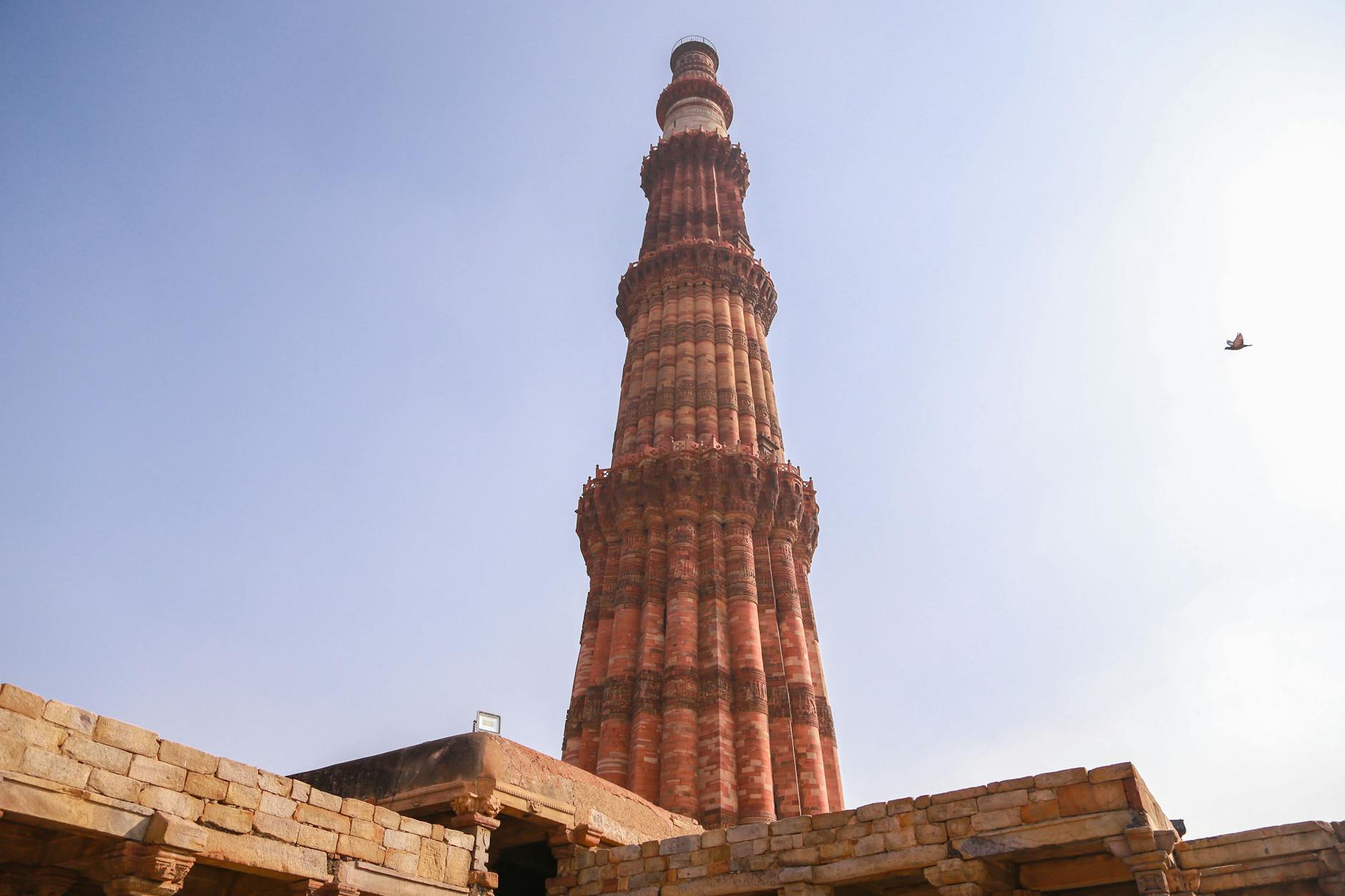
72.5 metres, built in the early 13th century - the tallest surviving brick tower in the world. The calligraphy and geometric patterns are still well preserved today. Part of an archaeological complex that documents the history of Delhi over several dynasties.
5th Gateway of India, Mumbai
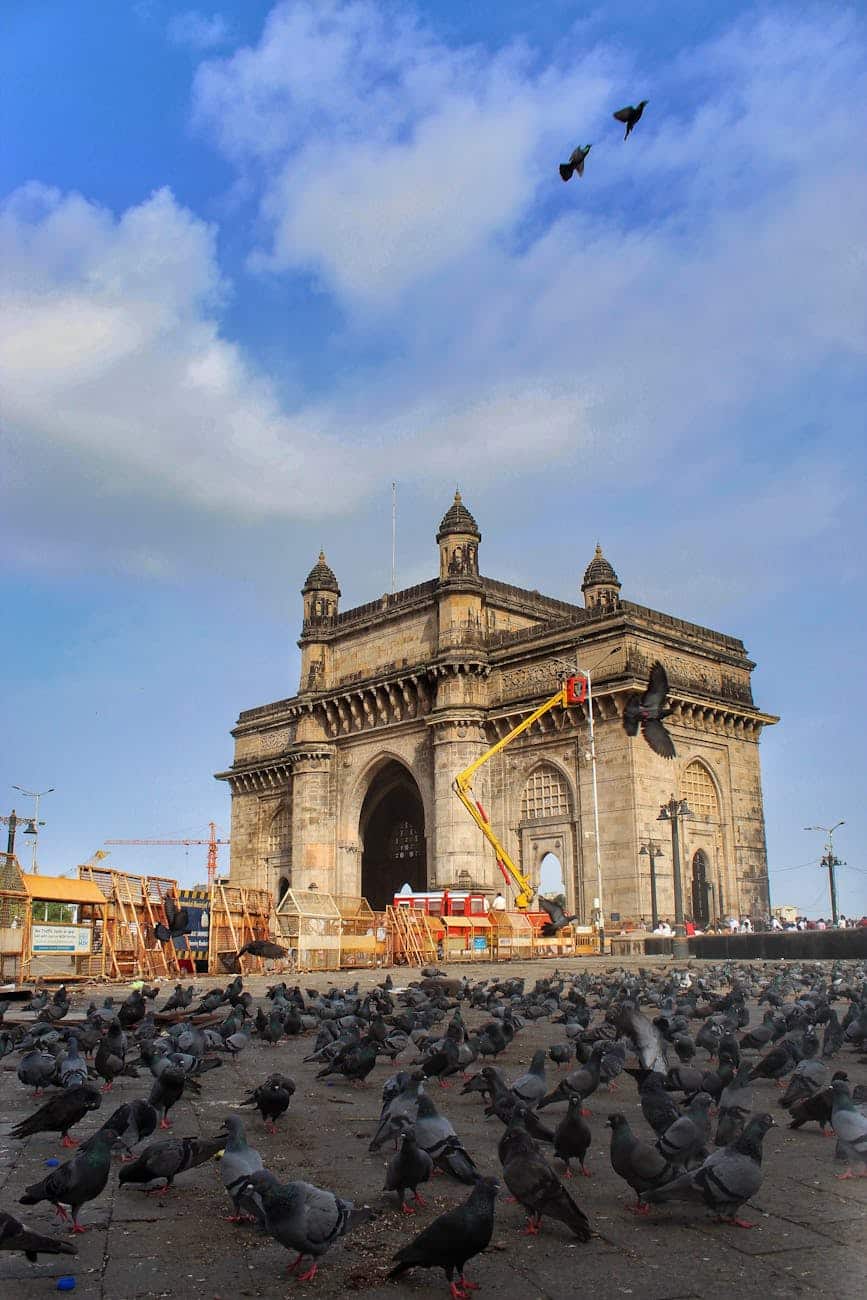
Completed in 1924 as a reception building for official British visits. India has been independent since 1947. Today it is one of the busiest squares in Mumbai.


6th Red Fort, Delhi
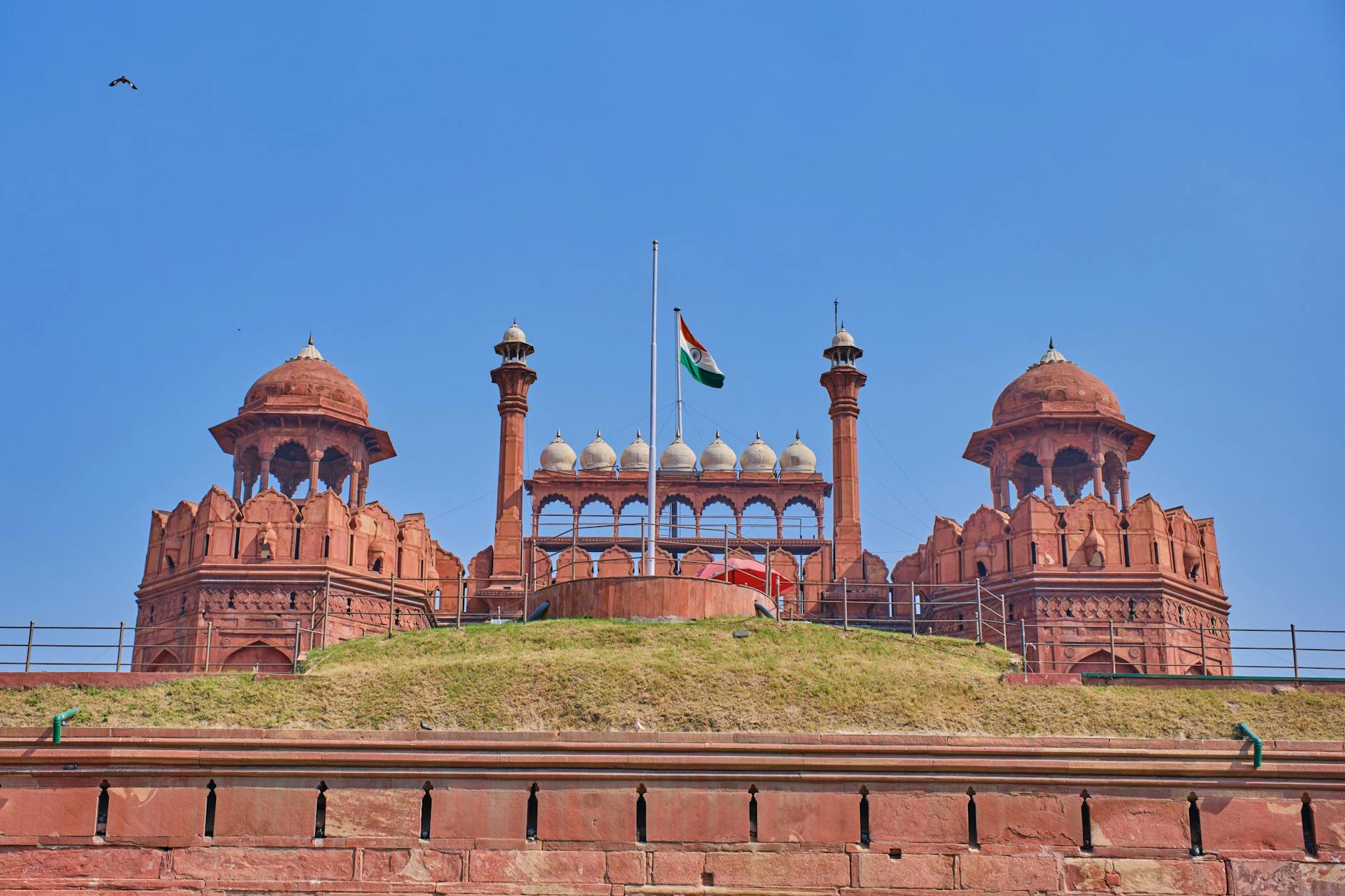
The residence of the Mughal emperors from 1648 to 1857, built from red sandstone. Since independence, the Prime Minister has hoisted the national flag here every 15th August. UNESCO World Heritage Site.
7th Ghats, Varanasi

Varanasi is the oldest continuously inhabited city in the world. The ghats along the Ganges are the scene of daily rituals - ablutions, prayers, funerals. Death takes place here in public, as part of everyday life.
8th Hawa Mahal, Jaipur

Built in 1799. The façade with 953 windows had a specific purpose: women of the royal court could observe city life through the bars without being visible themselves.
9th Ajanta & Ellora Caves, Maharashtra

Over 60 cave temples in total, built between the 2nd century BC and the 8th century AD - Buddhist, Hindu and Jain, often side by side. Forgotten in the jungle for centuries, then rediscovered. Both complexes are UNESCO World Heritage Sites.
10th Kerala Backwaters

Around 1500 kilometres of canals, lakes and lagoons in south-west India. The traditional houseboats - kettuvallam - were originally used to transport rice and spices. Kerala has its own language and its own history.