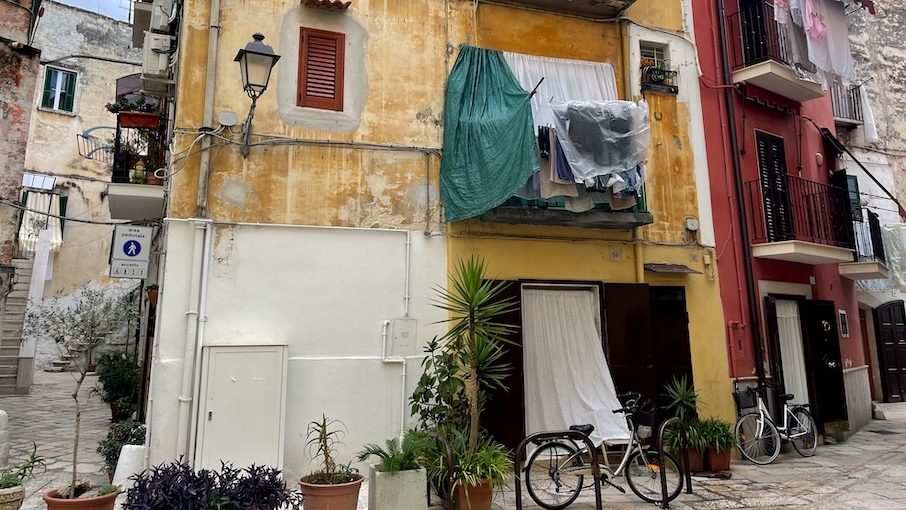
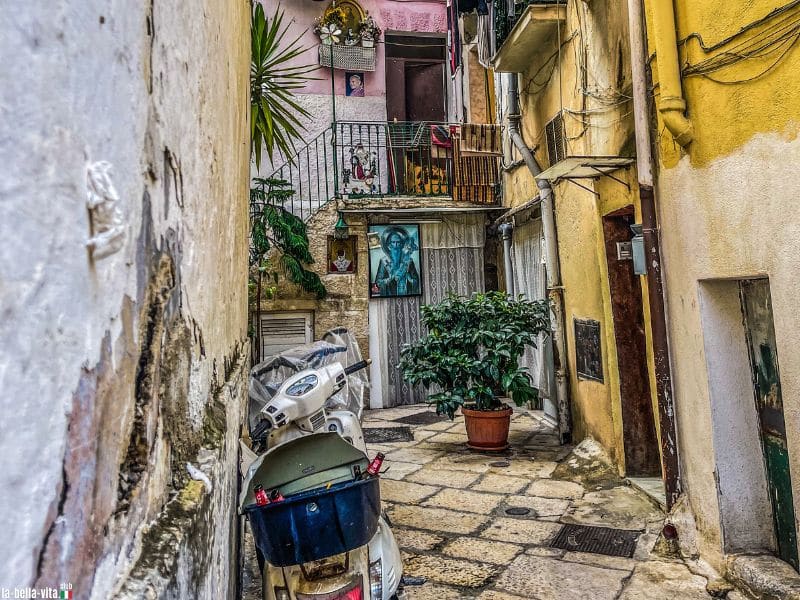
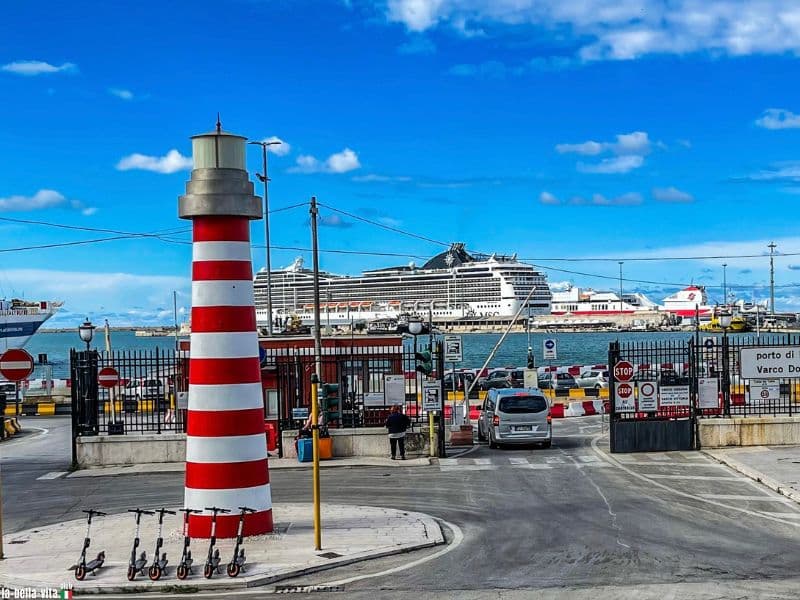
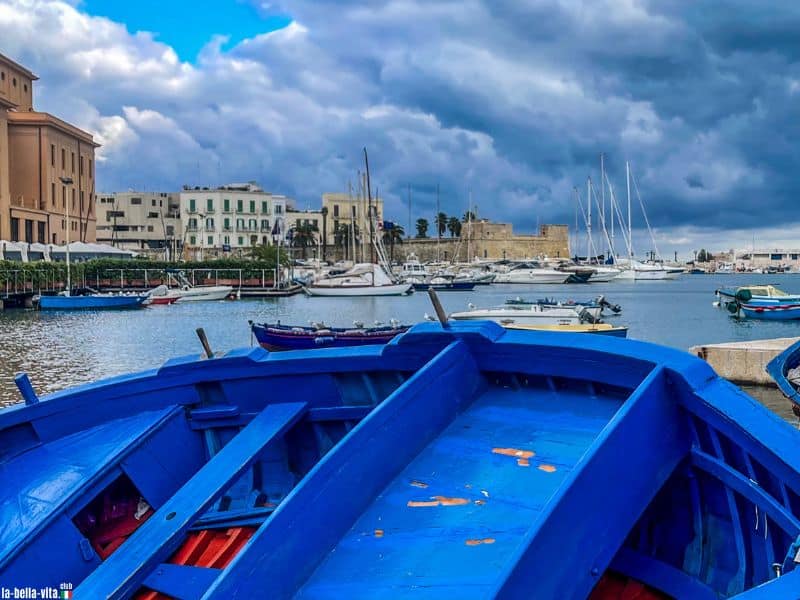
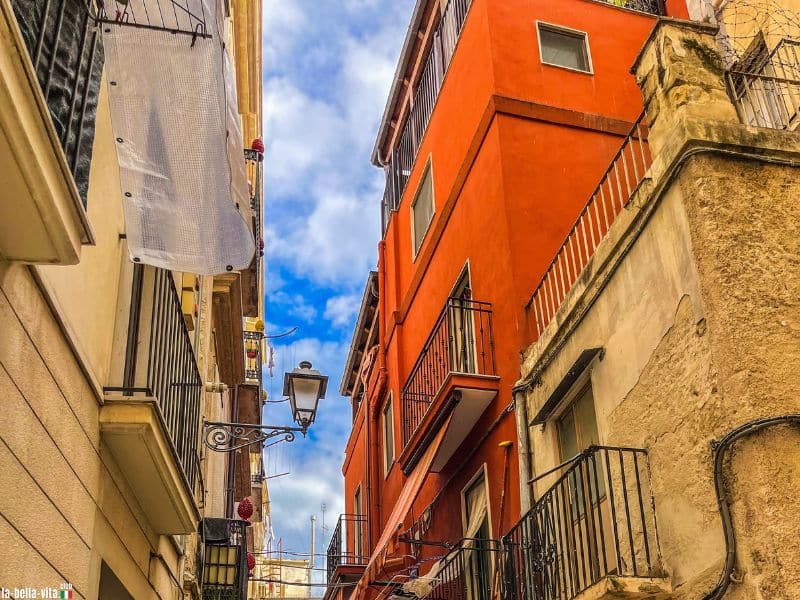
Bari is the capital of Apulia and yet has long been underestimated. And yet Bari Vecchia is a medieval mesh between the old harbour and the open Adriatic. Here, people still live on the ground floor, with an open door to the alleyway.
The paths are narrow, the houses brightly plastered, with freshly laundered linen stretched across them. Plastic chairs in front of the entrances, a quick greeting, a glance out of the window opposite. Bari Vecchia is not a museum quarter. Around 3,000 people live here, many families for generations. Real life takes place between the cathedral and the Norman castle (Castello Svevo).
The fascinating south: what awaits you in Puglia





The housewives and their ear noodles
Orecchiette are made by hand every day in the Strada Arco Basso, which is now known far beyond social media. Flour made from durum wheat semolina, water, a quick movement with the knife, a press of the thumb - and the „little ears“ are ready. The scene has been photographed like no other in Apulia, and yet it remains part of the real everyday economy. Orecchiette alle cime di rapa - with stem cabbage, garlic, olive oil and often anchovies - are the city's reference dish. The slightly bitter flavour of the vegetables meets the firm, rough pasta surface, the sauce sticks without excess.
The 10 largest cities in Italy
Fame came with St Nicholas
Without St Nicholas, Bari would not be what it is today. In 1087, sailors brought his remains from Myra (in present-day Turkey) to the city. The Romanesque basilica of San Nicola was built especially for the relics and quickly developed into one of the most important pilgrimage sites in Europe. To this day, Orthodox believers from Russia, Ukraine and Romania make pilgrimages here; the saint unites the Eastern and Western churches like no other figure. 9 May, the feast day of the transfer of the relics, marks the city's religious year. Pilgrimages and later bathers made Bari a holiday destination.
The middle finger of Milan - right in front of the stock exchange
The kitchen comes from the sea
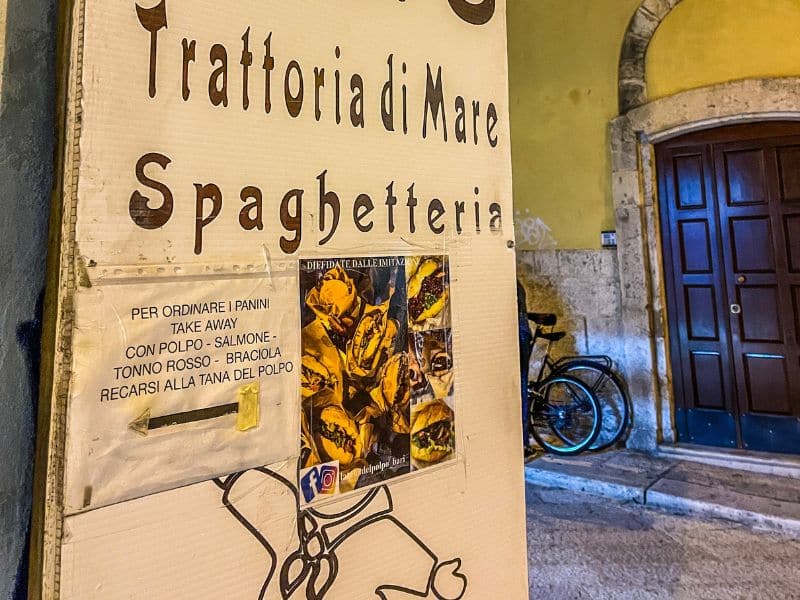
In culinary terms, the city is pragmatic. Focaccia barese - thick yeast dough with tomatoes, oregano and black olives - is considered the best snack between the market and the sea. Tiella barese combines rice, potatoes and mussels in a casserole dish, a dish that combines land and sea cuisine. Served with raw or briefly marinated octopus, sea urchins in winter and deep-fried panzerotti. Many things are simple, but the quality of the olive oil from the surrounding area is crucial.
Three worthwhile excursions are less than an hour away by car/bus:
- Polignano a Mare (35 km) with its spectacular location on limestone cliffs and the bay of Lama Monachile.
- Alberobello (55 km), a UNESCO World Heritage Site, with over 1,500 trulli - dry buildings with conical roofs, built as a result of pragmatic 17th-century tax tricks.
- Matera (65 km), already in Basilicata, whose Sassi cave dwellings are among the oldest continuously inhabited settlements in the world and were the European Capital of Culture in 2019.
More info here
More in the magazine


Osteria, ristorante or trattoria: where can you find what?
From simple to exquisite.

„Piano, piano“: What Italians say when we’re stressed
People who live in Italy talk about time differently

How to understand the menu in Italy
A short language course for great moments at the table.