
The 2 km long Adriatic beach of Pineto with pine forest
From our editorial team
Slow travel instead of a tick list: In Abruzzo, mountains, the Adriatic and cuisine come together - with space that is often lacking elsewhere.
2026 marks the end of the classic bucket list. There is no longer a demand for a seamless tour of the icons, but rather a deliberate diversions: „Detour Destinations“ are replacing the to-do points - and Abruzzo fits the bill perfectly. A region with very clear, practical advantages.



1. between mountains and sea, without detours
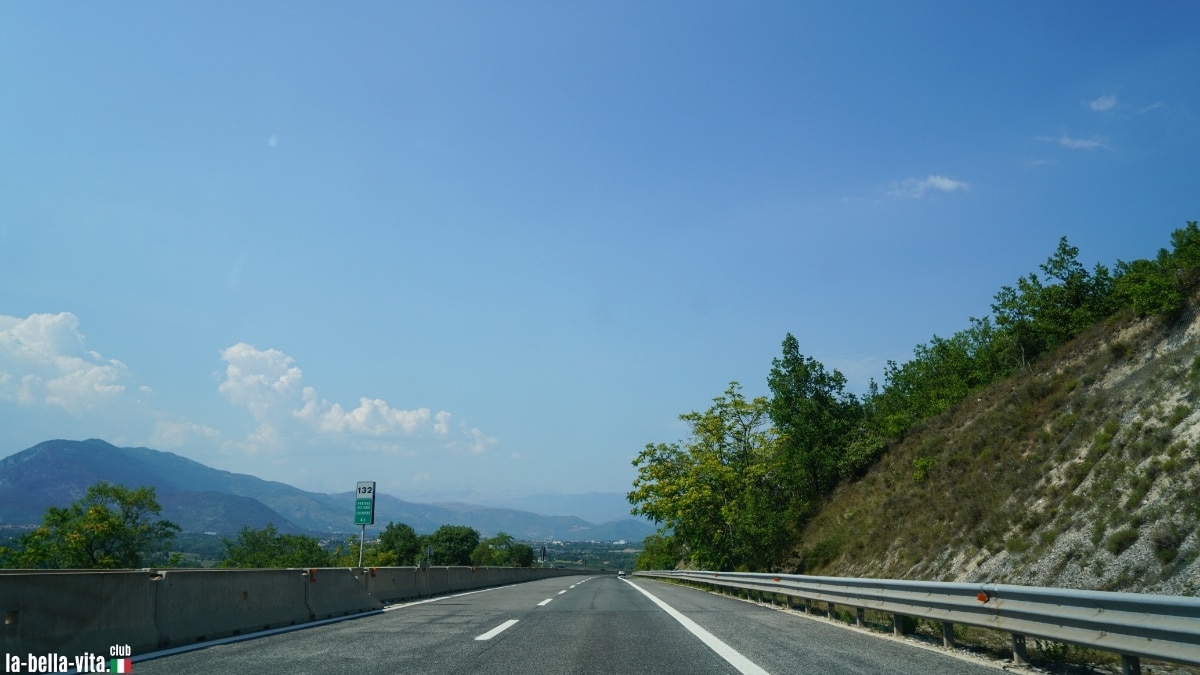
Abruzzo lies on the axis between Rome and the Adriatic coast. This makes the region attractive for those who don't want to choose: Apennine landscape in the morning, beach in the afternoon, a town in the hinterland in the evening. This proximity is not a marketing slogan, it's on the map.
2. nature is under protection
Around a third of Abruzzo is under protection - as a national or regional park, as a reserve. The Abruzzo, Lazio e Molise National Park was established in the early 1920s and is one of the oldest in Italy. In the Gran Sasso massif, the Corno Grande is the highest peak in the Apennines at 2,912 metres. From the villages, it is often only a few steps to the open countryside.
3rd Adria with its own signature
The coast of Abruzzo is divided into two different worlds over 130 kilometres. Wide sandy beaches to the north. It is the Abruzzo of gentle transitions, characterised by pine groves and flat shores. Towards the south, this order breaks up. The coast becomes rougher, the cliffs steeper. This is where the Costa dei Trabocchi begins. These constructions perched on delicate wooden piles in the sea - once described by the poet Gabriele D'Annunzio as „colossal spiders“ - have defied the surf for centuries.
4. cuisine with origin instead of concept
The cuisine of Abruzzo is also closely linked to what the landscape has to offer. Pasta alla chitarra is still one of the region's favourite dishes today - angular, slightly rough egg spaghetti with a square cross-section that absorbs sauces well and does not need much accompaniment. Montepulciano d'Abruzzo has been classified as a DOC since 1968 and characterises the viticulture of many regions. In 2026, anyone looking for a cuisine that is explained by its surroundings will find products and recipes that are not staged, but have emerged from everyday life.
5. winter as second season
Around Roccaraso and Rivisondoli, several villages have joined together to form the Alto Sangro ski area. Around 90 kilometres of pistes reveal a side of Abruzzo that many do not expect. Winter sports do not stand alone, but complement a region that is characterised by hiking trails, plateaus and national parks in summer. It is precisely this change that makes it so appealing: the same landscape, two faces.