

Travelling to Italy by car - that sounds like freedom, spontaneity and a fully packed boot. No check-in stress, no luggage limits, but full control over the route, speed and breaks. However, there are a few pitfalls lurking between Brenner and Bologna.
The first reward usually comes shortly after the border - in the form of the first real espresso and a panini with prosciutto, which makes every sandwich from the German motorway service area taste like old socks.
Here are the ten most important tips for a relaxed start - and end - to your road trip in Italy:
- Toll on the motorway
- Speed limits on all roads
- Parking: What the colours of the lines mean
- Old town zones: Passage prohibited (ZTL)
- When speeding tickets from Italy expire
- Refuelling in Italy
- Italian for the car
- City traffic? Only for those with strong nerves - and local knowledge
- Parking with a system
- Rescue lane? Not really.
- Bonus in the luggage.
1. the Toll - and what happens if you take the wrong lane
Italy is a country of motorways, but not of free ones. Almost all motorways are subject to tolls. If you drive from north to south in Italy, the toll costs just under 90 euros. You have to expect to pay around 7 cents per kilometre.

You can pay either in the traditional way with a ticket (entry and exit) or at automated payment points. Practical: the Telepass box or a toll app (UnipolMove, MooneyGo), which saves traffic jams at the barriers. If you prefer the classic way, you should at least have enough small change or a credit card to hand - and not start rummaging around at the barrier.
- The big Mangiare quiz: How good is your Italian flavour?
- Five Italian everyday rituals that make life better
At some toll stations, it can happen that you accidentally drive into the wrong lane - such as the "Telepass" lane, even though you don't have a corresponding contract. Or that the machine does not read your credit card and no ticket is taken. In such cases, never simply drive on! It's best to report it immediately at the "Assistenza" column or pay at the next stop with a receipt. The licence plate number is recorded: A hefty bill is usually issued in all cases.
Ad
🇮🇹☀️ Perfect for your beach day in Italy:
This super large, sand-free Beach blanket (210 × 200 cm) from SKYREH accompanies you relaxed to the sea. Soft, light, water-repellent - fancy a dolce vita on the beach? ➔ [Discover here at Amazon]
2. speed limits? Can be expensive
In Italy, different speed limits apply depending on the type of road:
- In urban areas: 50 km/h
- Out of town: 90 km/h
- Motorway: 110 km/h
- Motorway: 130 km/h (in the rain: 110 km/h)
Important: On many routes, section control is used - not at a single point, but over longer sections. If it only took you two hours to get from Milan to Bologna, then you were travelling with a lead foot and will have to pay heavily if you are caught (more on this in point 4).
- Favourite place Tuscany - and what's really behind it
- The 60-second quiz: How quickly can you recognise Italy?
3. ZTL zones: If you take a wrong turn here, you pay
You are currently viewing a placeholder content from YouTube. To access the actual content, click the button below. Please note that doing so will share data with third-party providers.
More Information"Zona a Traffico Limitato" - that sounds charming, but is treacherous (all info here). In almost all old town centres there are these zones with restricted traffic, usually only permitted for residents, delivery drivers or taxis. Anyone who sneaks in here with a German licence plate often receives unpleasant mail weeks later - including a fine and a processing fee. And that can be really expensive.
4. parking ticket from Italy: it's not worth ignoring
Fines from abroad often arrive late - in Italy usually only after months, when the summer holidays are long gone. Nevertheless, they are legally binding and should be paid. A speeding ticket from Italy must be served within 360 days, then the limitation period for paying is five years. Ignoring this can be expensive if debt collection agencies are called in.
- The big pasta quiz: Can you recognise all the pasta?
- 10 basics so you don't stand out in the restaurant
5. Refuelling: expensive, but plannable
Italy is one of the countries with higher fuel prices - especially on the motorway. If you want to save money, refuel off the autostrada or use apps such as Prezzi Benzina to the price overview. By the way: At petrol stations you often need a credit card with a PIN - or patience. At fuelo.net you can take a look at the current petrol prices.
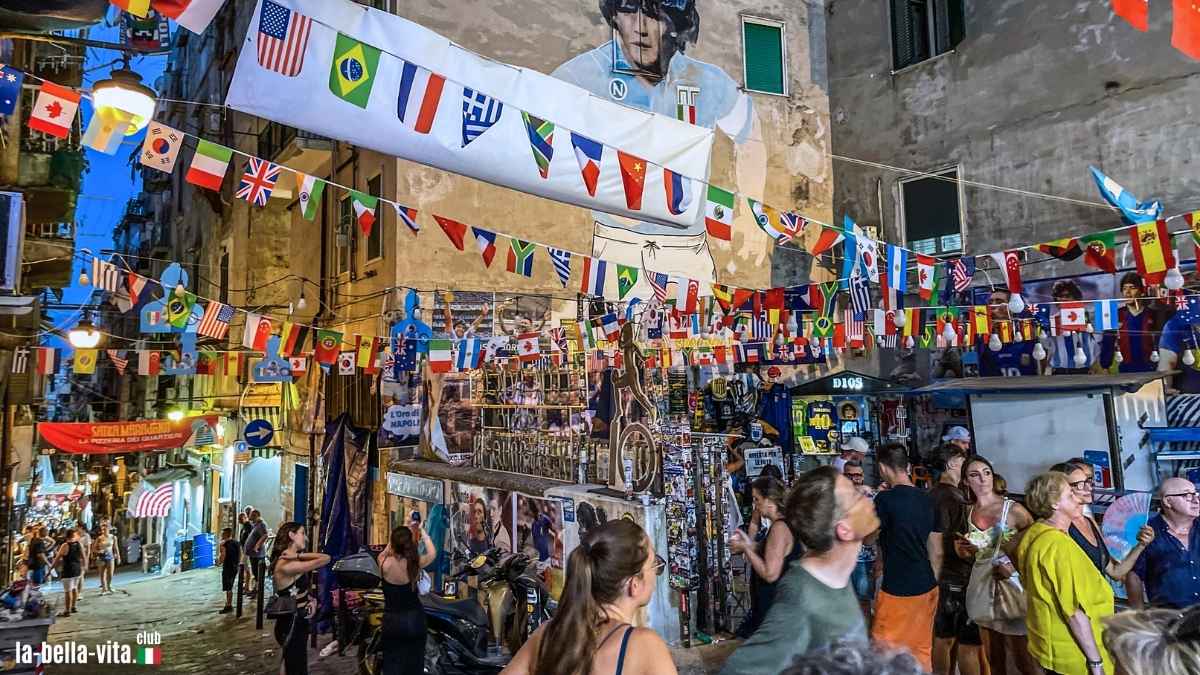

6. Italian for the car: a few terms to help
The further south you go, the less people generally speak English - but even in the north, it doesn't hurt to know the basic terms: If you are familiar with the terms "carburante" (fuel), "benzina" (petrol), "gommista" (tyre dealer) or "meccanico" (mechanic), you will have a clear advantage if the worst comes to the worst. And those who can say "il triangolo" will find their warning triangle more quickly if necessary.
7. City traffic? Only for those with strong nerves - and local knowledge
Driving in cities like Milan, Rome or Naples is not for the faint-hearted. Anyone who ventures into these city centres should not only have working indicators and a horn, but also strong nerves and a very good sense of direction. Narrow alleyways, hectic traffic, constant honking, scooters buzzing between cars like dragonflies and sometimes as wrong-way drivers - all of this is part of the basic urban experience here.
You are currently viewing a placeholder content from YouTube. To access the actual content, click the button below. Please note that doing so will share data with third-party providers.
More InformationIn addition ZTL zones (see point 3), unclear parking rules and spontaneous one-way streets that can drive even the best sat nav to the brink of despair. Who Milan visit, through Rome's stroll through the old town or Naples If you want to eat a pizza, it's better to park your car outside the city limits and use public transport. You'll be doing yourself, the locals and your own blood pressure a favour.
- Comeback of the Adriatic diva: How Rimini is reinventing itself
- The quiz for city travellers: Can you recognise Italy's beauties?
Ad
🏖️💶 Travelling safely on the beach:
Looks like sun cream, but is a clever hiding place for keys, cash or small valuables! Ideal for relaxed days at the beach in Italy. ➔ [Discover the money stash at Amazon here]
8. parking without a parking ticket
You can see where and how you are allowed to park in Italy by the lines on the ground:
- White lines: free of charge.
- Blue lines: subject to a charge.
- Yellow lines: taboo (only permitted for residents, disabled persons, etc.).
Simple really, but the (sometimes quite faded) lines are also easy to miss. If you don't take a parking ticket or ignore the times, you will quickly pay a fine of 30 to 50 euros. Practical: Many places offer mobile payment via app (e.g. EasyPark or Telepass Pay). The more touristy the city, the more likely it is to be closely monitored.
9. emergency lane? Doesn't really exist
The German emergency lane is hardly known in Italy - so if in doubt, drive defensively and don't expect miracles. The only thing that usually helps on the motorway is to pull over, switch on your hazard lights and keep calm.
10. Serenity belongs in your luggage
Italian driving is lively, often emotional - but not malicious. Honking does not mean hatred, but communication. If you don't let it upset you, you drive more relaxed. And if you are overtaken on the right, just take a deep breath - and look forward to the next break. The food at Autogrill & Co. is better than at the average Italian restaurant at home - and the prices are still acceptable.


