

These vines will become red wine Photo: stock.adobe.com/wideonet
Chianti - it's a red wine, a region, a myth. And even if you're not really interested in wine: You can hardly avoid this part of Tuscany.
Chianti is not a single wine, but an entire region - more precisely: a wine-growing region with around 70 % of the Sangiovese grape variety, the main protagonist among Italy's red vines. Classic Chianti is produced in the heart of Tuscany, between Florence, Siena, Arezzo and the hills of Pisa. Over one million hectolitres are produced every year - the equivalent of around 133 million bottles. A quarter of all Tuscan wines are Chianti.
The classic Tuscany look
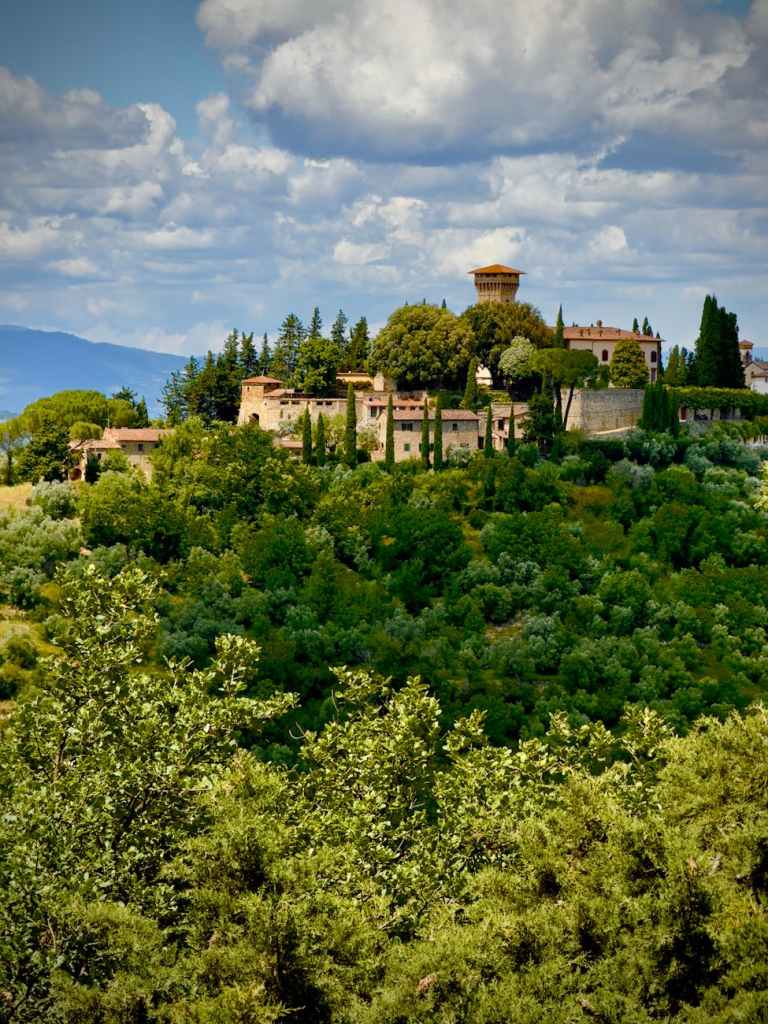
But as technical as these numbers sound, the place itself is just as sensual. Around towns such as Greve in Chianti, Radda, Castellina, Gaiole and Volpaia, the vineyards lie like carpets over the hills. Cypress trees line the roads, chestnut forests alternate with rows of vines. In between: Farms, castles, small villages where history and everyday life mingle unagitatedly. The famous wine route in the Chianti region is the Chiantigiana (SR 222). It is around 70 kilometres long and connects Florence and Siena, passing right through the heart of the historic Chianti Classico wine region.
On the road in the Valle del Chianti

Photo by Andrea Mosti on Pexels.com 
Photo by Anh Nguyen on Pexels.com Photo by Igor Meghega on Pexels.com 
Photo by TonyNojmanSK on Pexels.com 
Photo by Magda Ehlers on Pexels.com 
Photo by Mathias Reding on Pexels.com 
Photo by Piotr Arnoldes on Pexels.com 
Photo by Alessandro Bonfiglio on Pexels.com Photo by Aleksandrs Karevs on Pexels.com Photo by Matteo Badini on Pexels.com





For all the senses
Travelling through the Chianti region is perhaps the most impressive way to experience Italy. It is not loud and not fast. Here, people eat what the season has to offer, drink what the land has to offer - and talk about what the village has to offer. In places like Impruneta, known for its autumn festivals around the grape harvest, or in picturesque Montefioralle, where it looks as if no one has renewed the cobblestones since the 15th century, the world seems almost timeless.
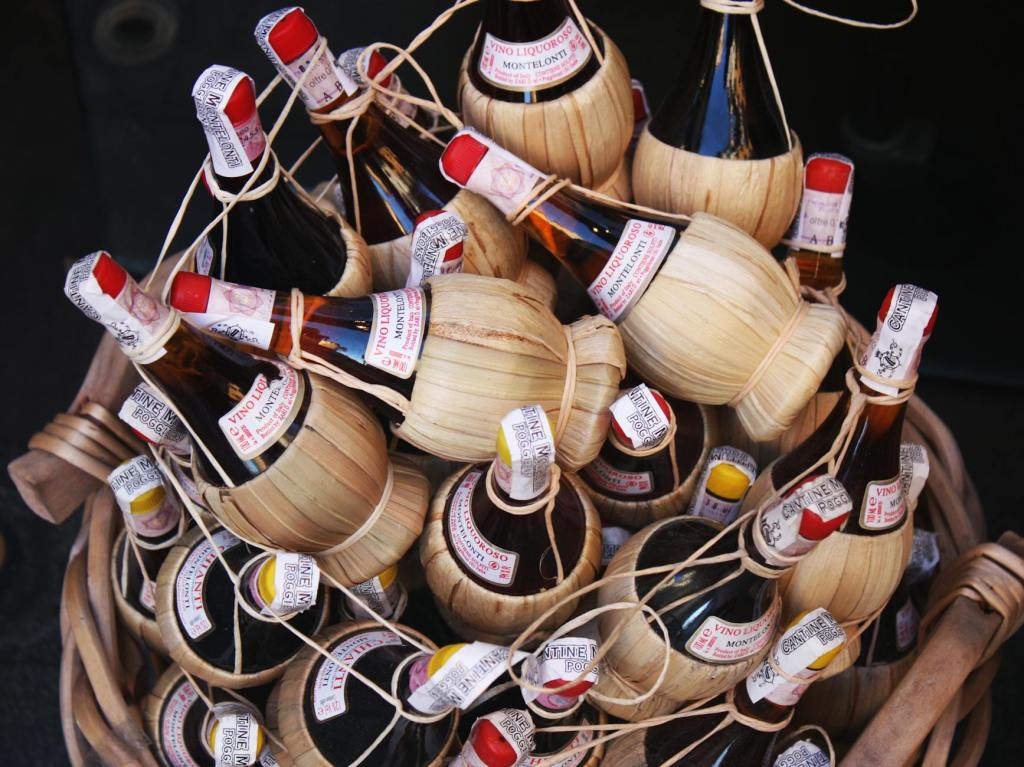
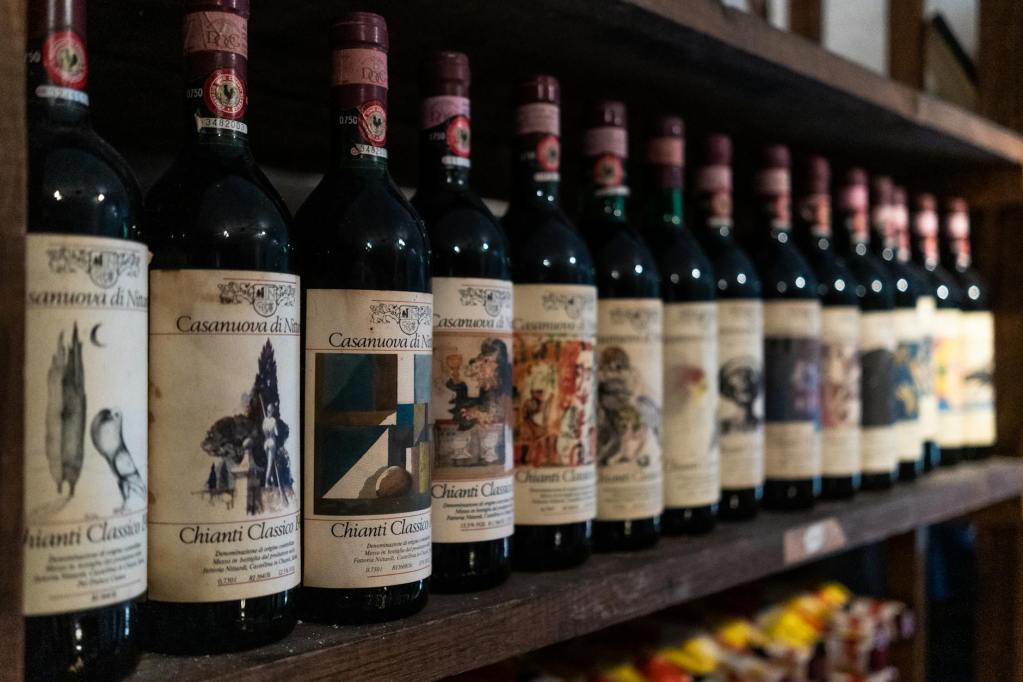
The different varieties of Chianti are produced in these landscapes: from young, uncomplicated table wines to elegant, mature Chianti Classico Riserva. Always in play: the Sangiovese grape, often supplemented by Canaiolo or Malvasia Nera. The blend varies slightly from place to place, but the principle remains the same: dry, clear, honest.
On the road in Florence
You are currently viewing a placeholder content from YouTube. To access the actual content, click the button below. Please note that doing so will share data with third-party providers.
More InformationThe technology behind the myth
For a wine to be called "Chianti", it must be officially authorised as a DOCG wine. DOCG is a seal of quality, an Italian origin and quality control system that prescribes certain standards for cultivation, grape varieties and production. A Chianti must contain at least 70 % of the Sangiovese grape variety, the Classico at least 80 per cent. It matures for different lengths of time depending on the variety and is matured either in steel tanks or in wooden barrels.
Chianti DOCG and Chianti Classico may only be labelled as Riserva if the wine has been aged for at least 24 months, including at least 3 months in the bottle. The highest quality category is Chianti Classico Gran Selezione - with even stricter criteria, such as ageing for at least 30 months.
Remarkable is a traditional cultivation method that some winegrowers still use: They plant their grape varieties mixed in the vineyard - in the exact ratio in which they will later be processed. The soil, usually calcareous marl, ensures that the water drains well and the roots grow deep. Everything else is craftsmanship and patience.
Ad
📱💦 Swim safely - with your mobile phone! This waterproof Mobile phone case from Lamicall protects your smartphone up to 7.5 inches - with two compartments. ➔ [Discover now at Amazon]
Landscape with flavour
Chianti is more than just a sip of red wine - it is part of a landscape that takes itself very seriously while remaining charmingly down-to-earth. Here you can eat ribollita (a rustic vegetable soup with stale bread), crostini with liver paté, pecorino from the region, accompanied by wild boar or a grilled beef steak (more about food in the regions here). The wine goes with it - always.
Even those who don't drink alcohol can feel at home in Chianti: Hiking trails, historic village centres, small chapels, Romanesque and Renaissance architecture, chestnut forests, wildflower meadows, cookery courses, markets, monasteries. Chianti is a region where life simply looks a little better. And sometimes tastes a little better too.
- Italy's queen in the south: this is Campania
- Underground in Naples: the most spectacular underground railway in the world
Ad
🇮🇹☕ What would a real espresso be without the right cup? Get that bar feeling right at home! ➔ [Discover here at Amazon]


