

Instead of orderly cypress avenues, a wild mixture of blackberries, pine and myrtle: this is the Maremma
From our editorial team
The Maremma disproves every cliché of Tuscany as a land of perfect cypress avenues and Renaissance castles.
The Maremma in the south of Tuscany is not a polished postcard location, but a rugged piece of Italy where dust, wind and ancient traditions permeate the air. Here, the landscape breathes freedom - an insider tip for anyone who wants more than overcrowded Chianti vineyards.
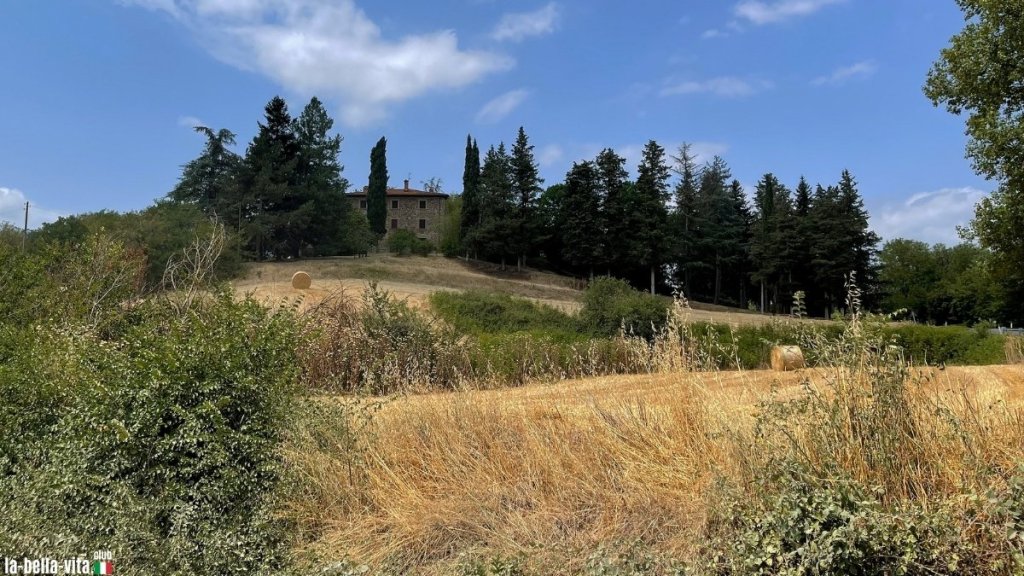
Formerly malaria-infested swamp area
While the north already shone with Florence and Siena, this wild southern coast - from Grosseto to Monte Argentario - was a rough, malaria-infested swamp area until it was drained in the 19th century: Today, it is home to a 170-kilometre-long nature reserve covering over 100,000 hectares, where butteris, the shepherds, and wild horses are the secret stars.
Agriturismo: Authentic addresses
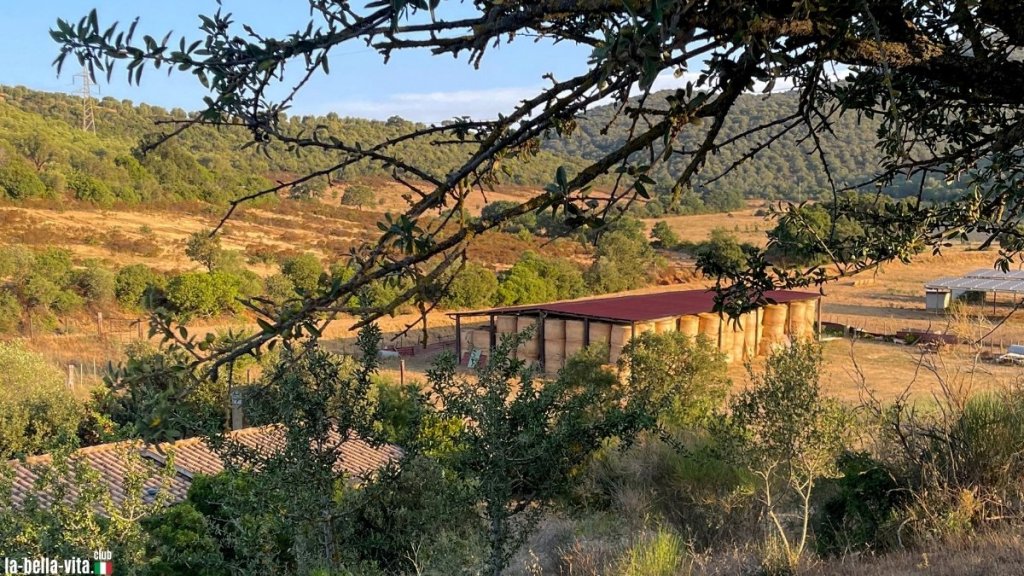
Those who not only want to see the Maremma, but also understand it, often end up at an agriturismo at some point. Not as „accommodation with a view of the countryside“, but as a very concrete way of experiencing this region: a farm outside the towns, a few rooms, olive groves, vines, sometimes sheep - and a daily routine that doesn't think itself up for guests, but simply carries on.
The decisive factor is not so much the furnishings as the rhythm. Breakfast here is not a buffet, but products that come from the neighbourhood or from the farm itself: Olive oil, cheese, bread that smells more like a kitchen than a dining room.
Tobacco fields: Historic harvest
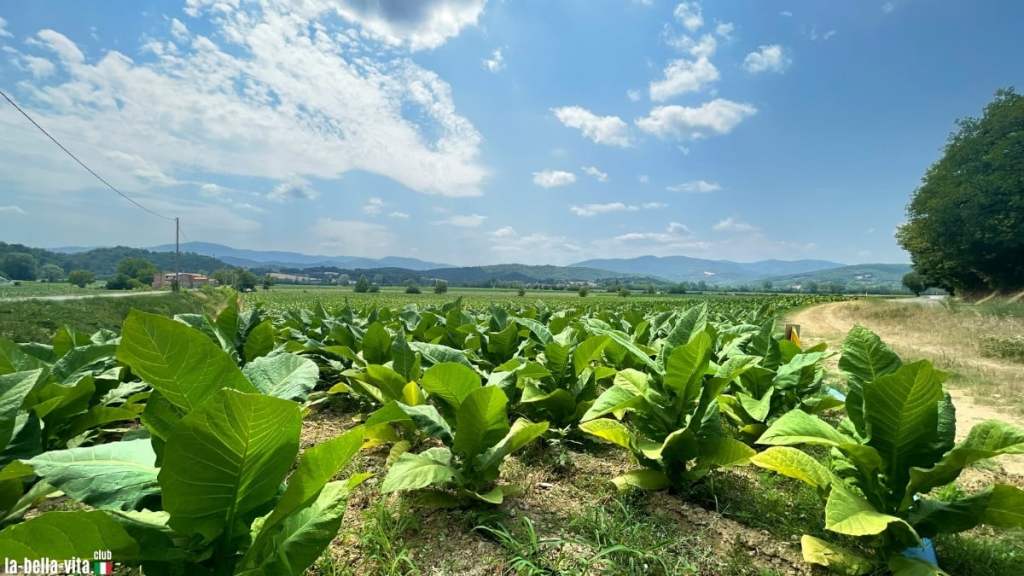
Between Talamone and Orbetello, tobacco has been part of the landscape for decades - large, rectangular fields that have their own rhythm in summer: growing, ripening, cutting, drying. Tobacco has been processed industrially in the region since the 1950s. Anyone travelling here will not only see the beach and maquis, the typical evergreen scrubland, but also a piece of agriculture that is often overlooked in travel guides about Tuscany.
In Grosseto, guided tours are sometimes offered that explain the route from raw leaf to processing. And out in the countryside, there are routes that are signposted as „tobacco trails“ (depending on the section, several kilometres with moderate inclines). A glass of Morellino di Scansano DOCG goes well with this as a contrasting programme: the local red wine from the area, usually strong, with dark fruit and a spicier, earthier note that goes well with the more bitter side of the Maremma.
Beaches: Hidden spots
There are beaches on the Maremma coast that are not „there“ at first glance - because you have to walk to them. Cala Violina near Scarlino falls into this category: a small bay with light-coloured sand and clear water, only accessible on foot (or by bike) via a well-signposted path through the pine forest.

Cala Violina near Scarlino is one of those bays that you have to walk to: light-coloured sand, clear water and access is via a path through the forest - around twenty minutes on foot depending on the starting point.
If you prefer wide open spaces to a bay, head to the Parco della Maremma in Marina di Alberese. The beach stretches for kilometres, with dunes in front and a vast pine forest behind - and in between, this quiet area where the wind has more to say than the infrastructure.
The Maremma is a Tuscany you would never have expected.


