

The luxury resort of Portofino in Liguria Photo: stock.adobe.com/tundedin
Italy is a favourite holiday destination for the super-rich. What does luxury tourism bring to Italy? A study has now investigated how much the first class spends on holiday. A business worth billions.
The curse and blessing of guests with money. Their XL yachts block the bays, pollute the water and the air. The prices for land in places like Positano and Portofino are rising to absurd heights. And once these people have made themselves comfortable, there's no need for a normal wallet to show its face.

Photo by Fuka jaz on Pexels.com
What hardly anyone knows is that this relatively small group of the so-called high-end segment brings an above-average amount of money with them. On average, a luxury tourist spends 14,700 euros in Italy. A holiday worth a medium-sized car.
Researching why Italy speaks with its hands
With almost two million rich holidaymakers in Italy, we are talking about a sum of about 25 (!!!) billion euros per year. This is the result of a study commissioned by the ECCIA association. (ECCIA = european Alliance of Cultural and Creative Industries, more see below).*
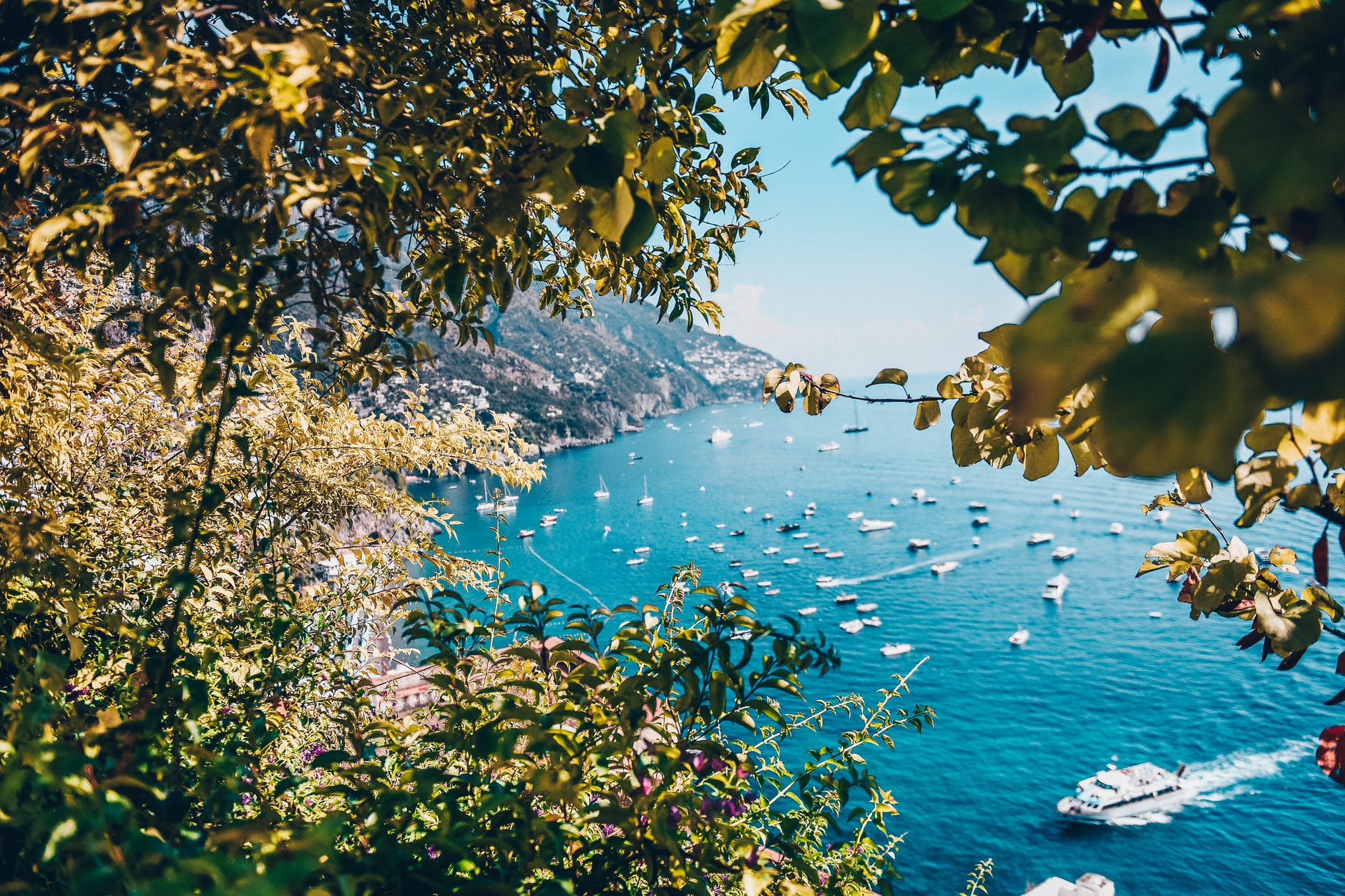
Photo by Leander Joseph on Pexels.com
How luxury influences a place
These are the findings of the study on luxury holidaymakers in Italy and Europe:
- High-end guests spend eight times more than the average.
- The luxury class has a significant impact on local areas. As an example: If a classy resort opens up somewhere, a gourmet restaurant soon follows, then the Armani boutique and so on and so forth.
- Although luxury tourists make up only 2 per cent of the hospitality industry, their share of total expenditure is 10 times higher. As an example: the average wage earner pays 20 euros for his lunch, while the rich pay 200 euros.
Why you talk to mum on the phone every day in Italy
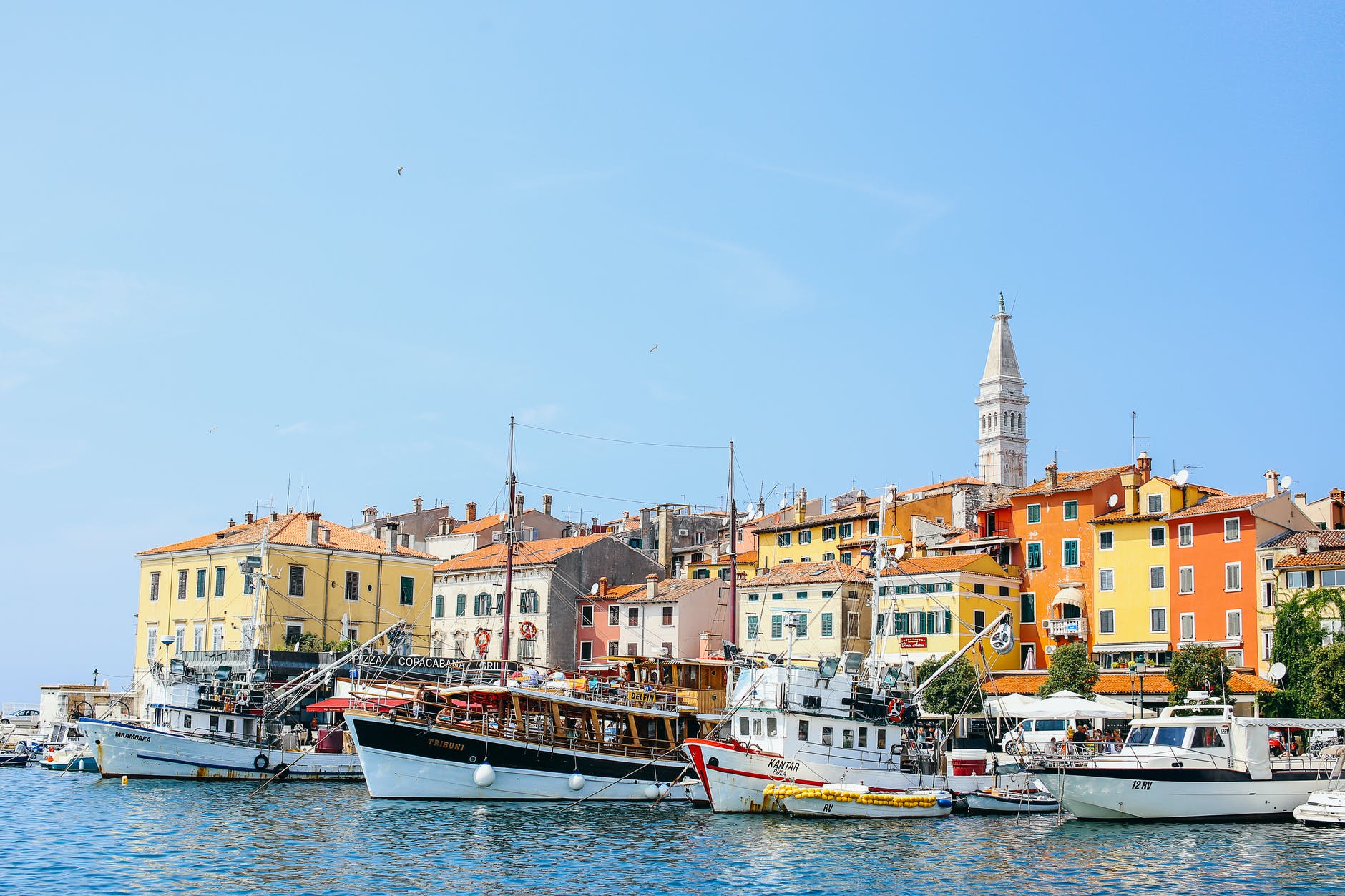
Photo by Rachel Claire on Pexels.com
*Advertisement Sand-free XL beach blanket € 15.99 / Amazon
- In the area of culture, entertainment and shopping, the upmarket class even accounts for 33 per cent of sales.
- Since the luxury segment employs almost twice as many people as the regular tourism sector, the labour market benefits. In addition, there are also positive influences on other sectors, such as image building, investments in other sectors and the like..
*To classify the study: What is the ECCIA?
ECCIA is made up of six European cultural and creative industries organisations: Altagamma (Italy), Circulo Furtuny (Spain), Comité Colvert (France), Gustaf III Kommitteeé (Sweden), Meisterkreis (Germany) and Walpole (UK). Together they represent more than 600 brands and cultural institutions in Europe. The aims of the association: Sustainability, improving manufacturing skills, researching and promoting high-end tourism for the European economy.
- The Richest Women of Italy
- Politics & Society in Italy
- Social Media in Italy: Stars & Trends
- Basic quiz: How well do you know Italy?



- Italy's towns and villages: take a look around...
- Travelling in Italy: the latest tips
- Mamma mia, MANGIARE: Here everything revolves around food

written by Pietro Perroni, first published on 10 June 2022
Sources: Press release ECCIA, 17.5.22: "New ECCIA chairman Matteo Lunelli previews the study on high-end tourism in Europe"; various statistics on tourism from Italy from Statista as background


