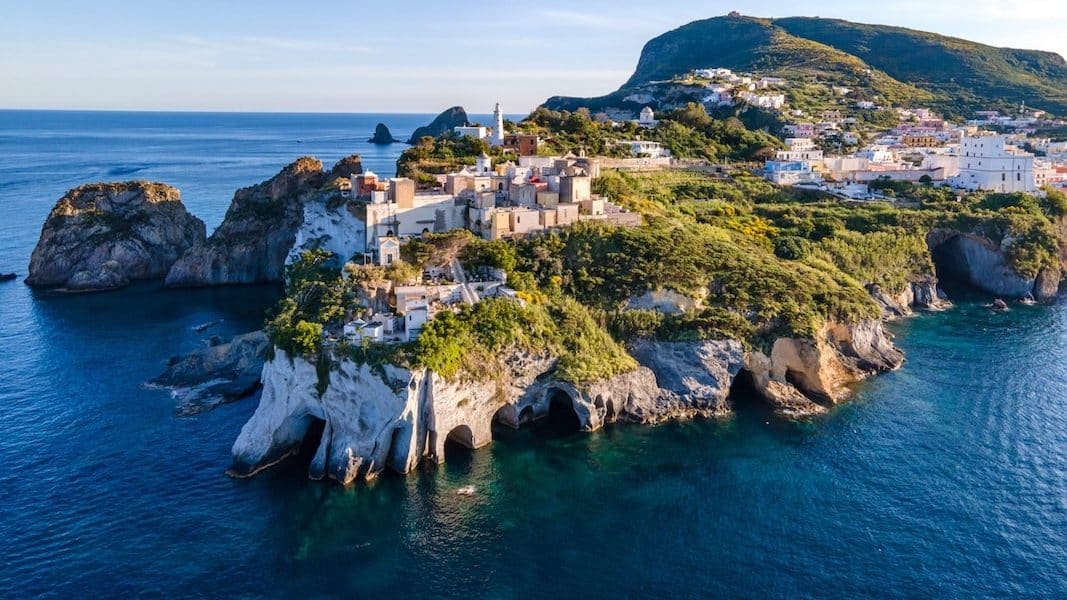

The ruins of Villa Adriano and its Pecile, the walkway with water basin Photo: stock.adobe.com/Stefno Tammaro
Tivoli - the name sounds like carousel music, fairy lights and cool drinks under chestnut trees. Almost nobody knows where the term, which stands for amusements of all kinds internationally, comes from.
In Aachen, the word "Tivoli" stands for the football stadium, in Copenhagen and in the Netherlands for huge amusement parks. In Vienna, it used to be the name of a legendary entertainment venue, after which streets are still named today, as well as the name of a party disco in the Prater. Tivoli is a place of entertainment everywhere - but few people know that it comes from a small town east of Rome. A place that was once so dreamlike that it became the template for everything that is commonly called "Tivoli" today.
From the imperial palace to the concept of culture

Photo: stock.adobe.com/marcorubino
The real Tivoli is located around 30 kilometres from Rome, overlooking the Aniene valley with a view of the Campagna Romana. The place was already a favourite destination in ancient times: Emperor Hadrian had a huge summer residence built here in the 2nd century - the Villa Adriana. Not a simple country house, but a miniature world with artificial canals, Greek temples, theatres and thermal baths. A kind of pocket-sized architectural empire.
Ad
🇮🇹☀️ Perfect for your beach day in Italy:
This super large, sand-free Beach blanket (210 × 200 cm) from SKYREH accompanies you relaxed to the sea. Soft, light, water-repellent - fancy a dolce vita on the beach? ➔ [Discover here at Amazon]
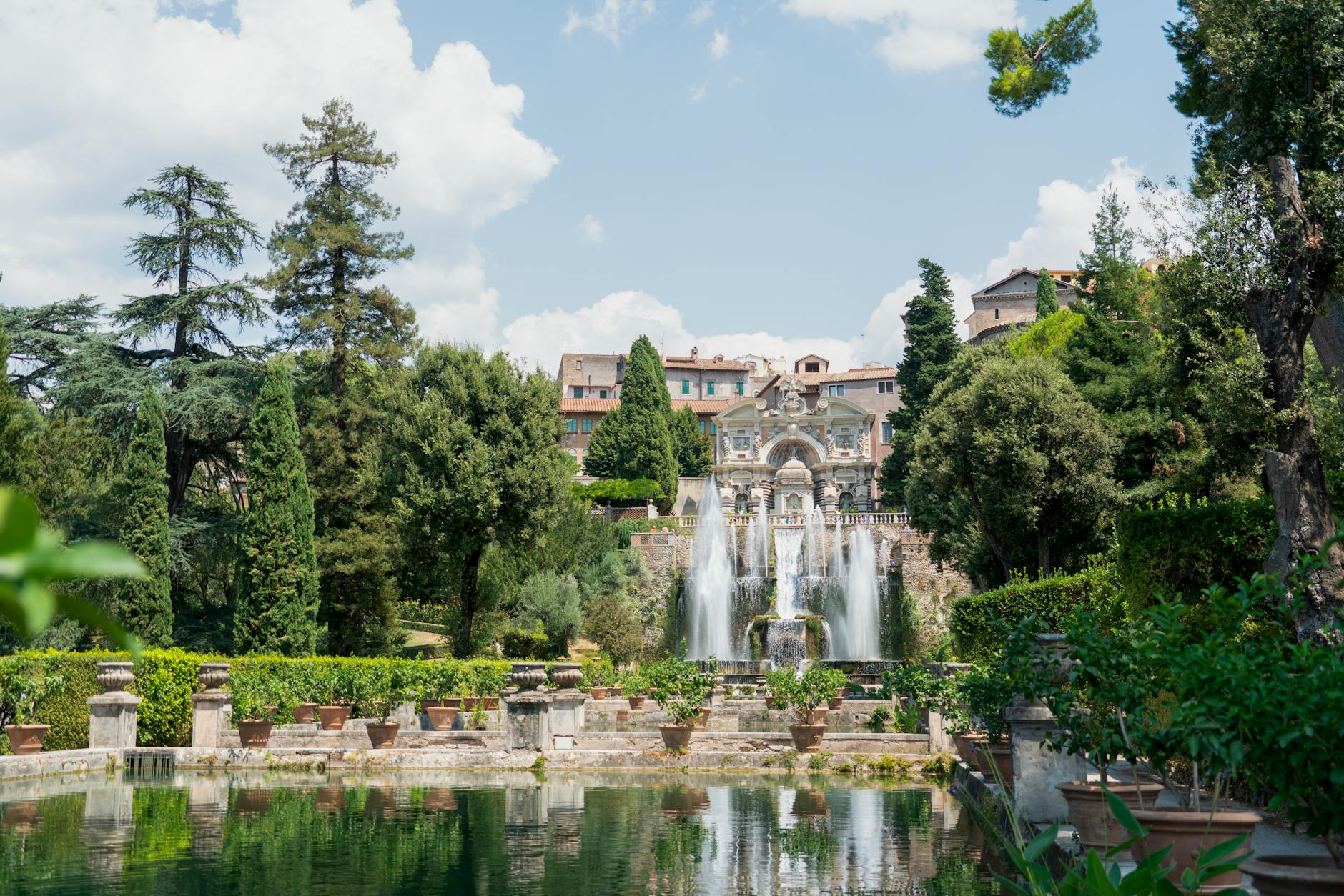
Photo by Marian Florinel Condruz on Pexels.com
Later came the Renaissance - and with it the Villa d'Este: a palace with one of the most spectacular gardens in Europe. Water features, sculptures, grottos, a whole orchestra of fountains, powered by gravity alone. And finally the Villa Gregoriana: a wild landscape garden with ravines, waterfalls and moss walls, where romantics once went in search of meaning. This abundance of nature, culture, water, beauty - it turned Tivoli into an image. An ideal. And this ideal was exported.
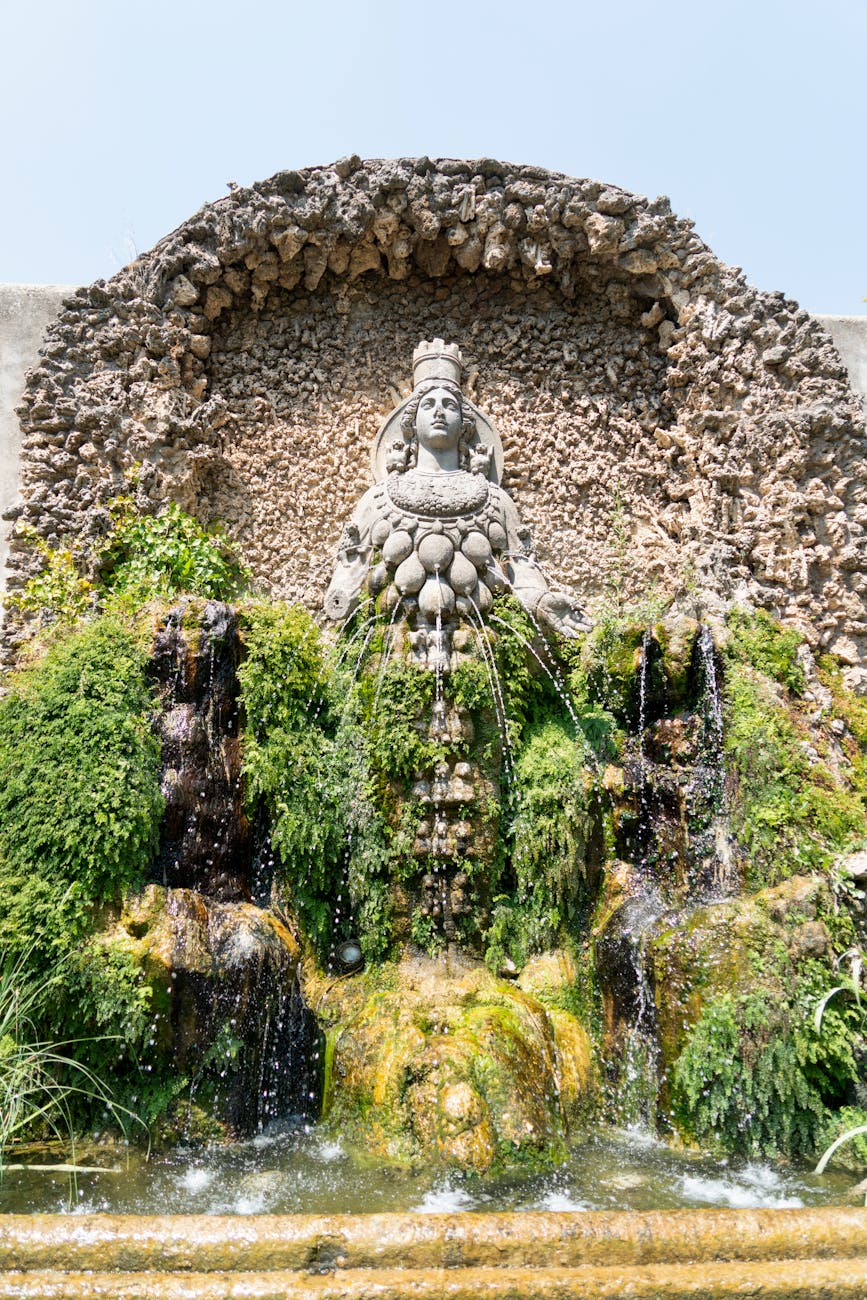
Photo by Marian Florinel Condruz on Pexels.com
Ad
🇮🇹☕ What would a real espresso be without the right cup?
These original Italian espresso cups turn every sip into a little celebration. Bring the bar feeling straight to your home! ➔ [Discover here at Amazon]
Why there is a Tivoli everywhere in the world
From the 18th century onwards, Tivoli became a popular motif in paintings, literature and travelogues. The Grand Tour of the educated elite almost inevitably led there. And with the name, the idea spread: if a park somewhere was particularly playful, a garden particularly lush, a place particularly cheerful - then it was a "Tivoli".
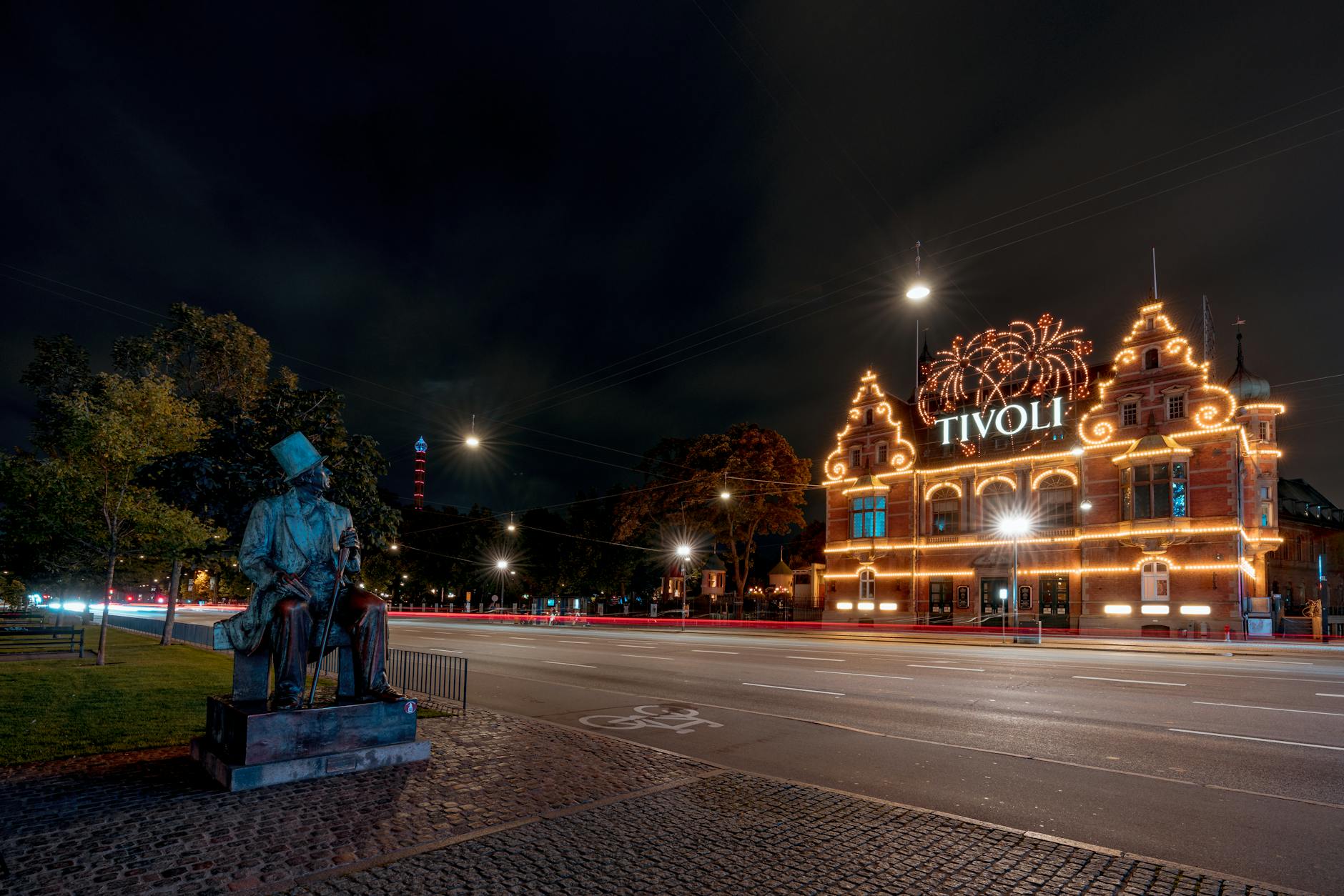
Photo by Gije Cho on Pexels.com
And so it was that an amusement park in Copenhagen was given this name (1843), that the football stadium in Aachen was called "Tivoli", and that excursion pubs and summer cinemas in Vienna traded under the label "Tivoli". Tivoli became a promise: of entertainment, of beauty - no matter where.
Visit the real Tivoli
The Tivoli in Italy is not loud. It is not a place for hustle and bustle. But it is still a place full of images - archaic, romantic, enchanted. Villa Adriana stands as a huge ruin in the landscape, overgrown with grass. The Villa d'Este shines with baroque splendour, the gardens still ripple. And from the Villa Gregoriana, you can see the river Aniene rushing into the depths. Tivoli is only a 45-minute train journey from Rome.