

The white lighthouse Faro della Vittoria (front right) can also be climbed Photo: stock.adobe.com/xbrchx
From our editorial team
Trieste is a holiday destination for anyone who loves Italy - but likes to look deeper.
Between the sound of the sea and marble façades, Espresso and Slovenian KitchenThe city offers a fascinating mix of barren mountains and not at all barren culture that you won't find anywhere else. Once you've been here, you'll ask yourself: "Why didn't I come here sooner?
*Further links can be found at the bottom
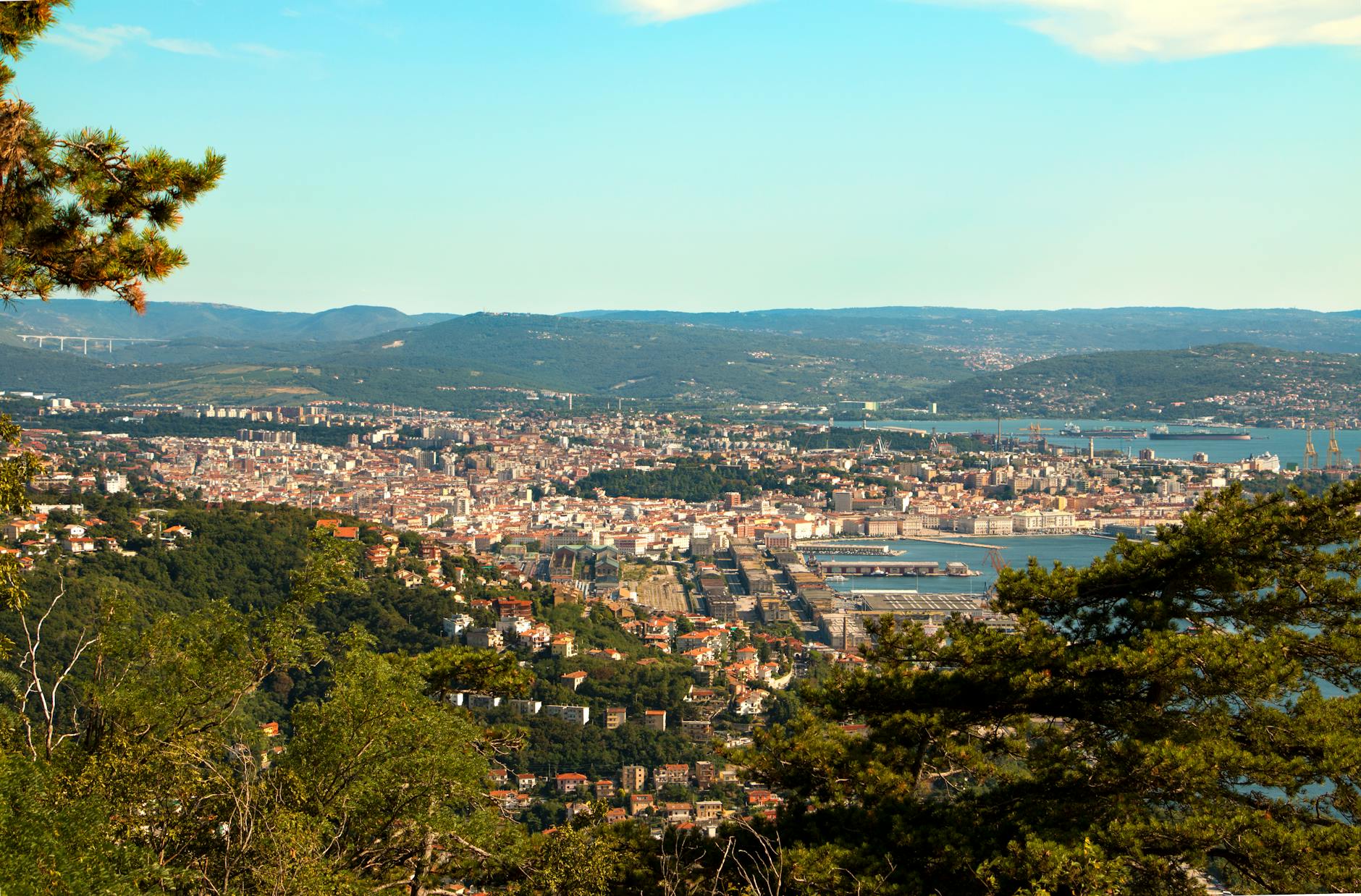
Photo by Matteo Gerolami on Pexels.com
If you love Italy but want to see something new, you should put Trieste at the top of your travel list. The city in the outermost Northeast of the country surprises with a unique mixture of Mediterranean lifestyle, Habsburg grandeur and Slavic influence. In short: Trieste is Italy as you would never expect it to be - and that is precisely why it is so appealing. Why a trip to Trieste is an excellent idea:
1. Authentic flair in the heart of Europe
Trieste is a place of contrasts - and that is precisely what makes it so exciting. Here, the lightness of southern Europe meets the structure of central Europe. You can feel the italian spiritBut you can also taste the history of the Habsburgs, who shaped the city for centuries.
Even today, Trieste is still a place of coexistence: Italian, Slovenian, German, Croatian - everything has its place here. The city was once the most important port of the Danube Monarchy, a centre of Jewish scholarship and a refuge for poets and thinkers. This cultural mosaic can still be felt everywhere today - from the cuisine to the architecture.

Photo by saso ucitelj on Pexels.com
2. Magnificent architecture and imposing squares
Trieste impresses at first glance - above all with its architecture. Neoclassicism, Baroque, Art Nouveau: the city offers a variety of architectural styles that are rarely found in such a small area in Italy. The Piazza dell'Unità d'Italia is particularly spectacular. It is one of the largest squares in Europe directly by the sea and opens up to the Adriatic like a stage. All around it are elegant palazzi, cafés and official buildings - here you can sense the splendour of bygone eras.
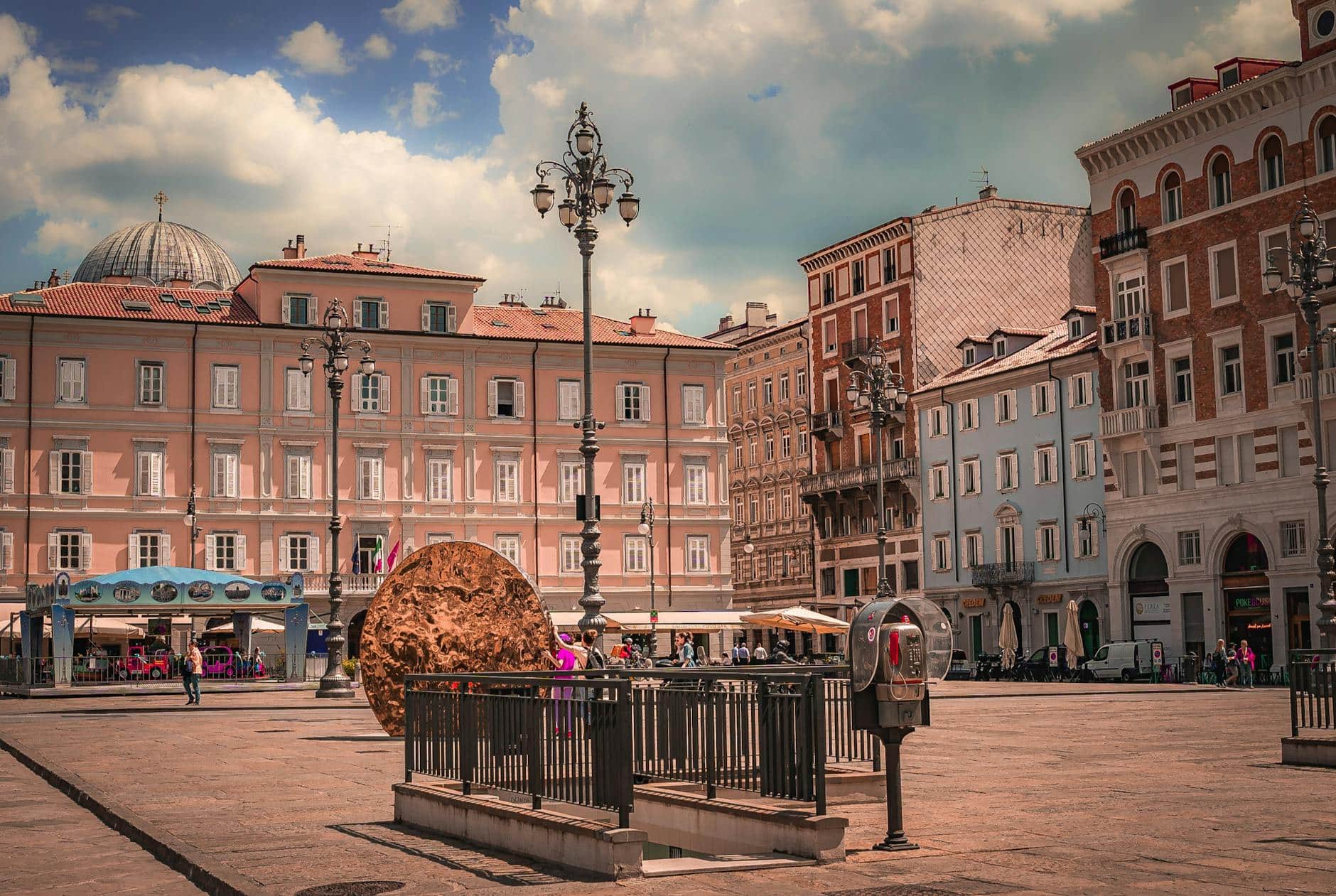
Photo by Cătălin Todosia on Pexels.com
Calabria is so beautiful from above
You are currently viewing a placeholder content from YouTube. To access the actual content, click the button below. Please note that doing so will share data with third-party providers.
More Information3. Lively coffee house culture
Trieste is - and many people don't realise this - the Coffee capital Italy. Over 40 per cent of Italian coffee imports pass through the city's port. This has a long tradition: Trieste was declared a free harbour as early as the 18th century, which gave the coffee trade an enormous boost. Today, this history is reflected in the city's numerous traditional cafés. Caffè San Marco, for example, is not only a stylish meeting place, but was also a favourite haunt of writers such as James Joyce and Claudio Magris. Anyone who takes a seat here understands that coffee is not a drink in Trieste - it is culture.

Photo by saso ucitelj on Pexels.com
4. Fantastic location between sea and mountains
Trieste lies like a picture between the Adriatic Sea and the Karst mountains. This interplay of water and stone makes the region particularly scenic. Whether it's a walk along the Strada Costiera coastal road with a view of the turquoise sea or a hike on the karst plateau with its caves and rock formations - nature lovers and city dwellers alike will get their money's worth here. The mild climate makes excursions possible all year round.
Ad
🧳☁️ Huge in space, super light in weight - the XL hard-shell case from NOWI!
With a volume of 102 litres, 8 smooth-running 360° wheels, combination lock and a sturdy telescopic handle, this suitcase is your perfect travel companion. ➔ [Discover now at Amazon]
5. Miramare Castle - a fairytale castle above the water
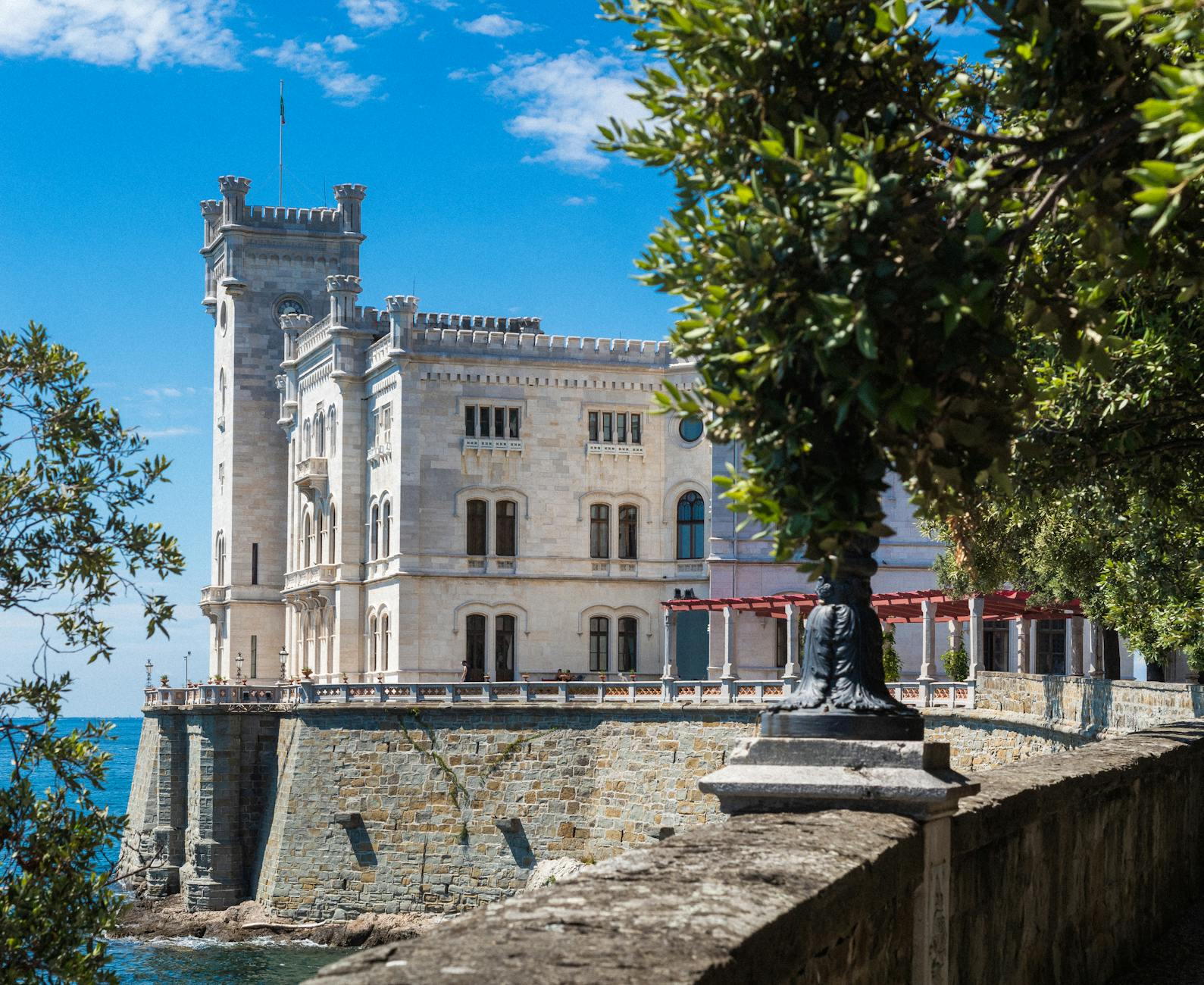
Photo by Giada Modugno on Pexels.com
Just a few kilometres from the city centre, Miramare Castle stands on a rocky outcrop - an architectural jewel with a dramatic history. It was built in the 19th century for Archduke Ferdinand Maximilian of Austria. The white building with turrets, balconies and views over the bay looks like a fairytale castle - especially in the evening sun. The surrounding castle park with exotic plants invites you to take a stroll. For many visitors, Miramare is the highlight of Trieste.


6. Grotta Gigante - subterranean dimensions
Anyone exploring Trieste should also take a trip underground. The Grotta Gigante, around 20 minutes from the city centre, is one of the largest accessible stalactite caves in the world. With a height of almost 100 metres, the main room looks like an underground cathedral. The professionally guided tours are an experience for young and old - not least because of the fascinating light show and exciting geological stories.
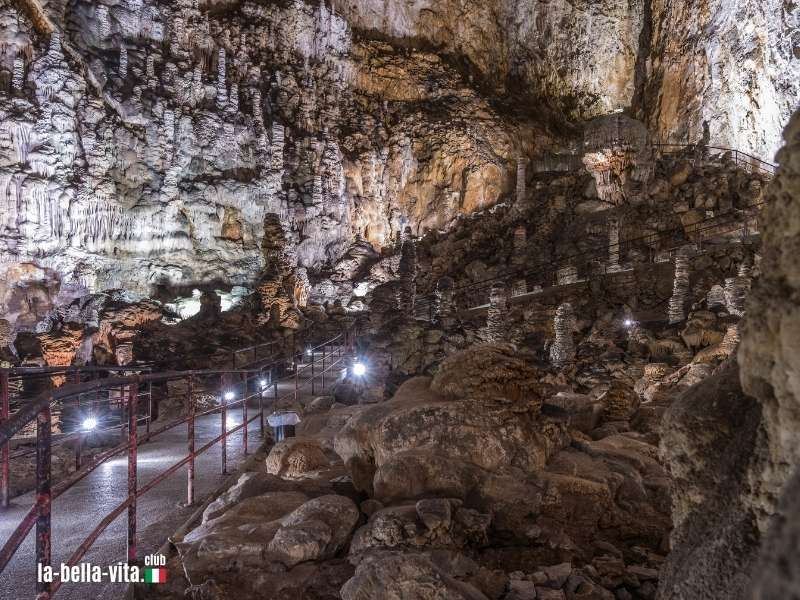
Photo: stock.adobe.com/Enrico
7. Diverse cultural life - all year round
Trieste is a city of culture - without much fanfare, but with plenty of substance. Numerous museums, such as the modern Museo Revoltella or the Maritime Museum, invite you to explore. There are also theatres, small galleries and a remarkable calendar of events. The Trieste Film Festival, which specialises in Eastern European cinema, is particularly well known. Anyone who appreciates art and culture outside the mainstream will quickly find what they are looking for in Trieste.
Ad
🇮🇹☀️ Perfect for your beach day in Italy: this super large one, sand-free Beach blanket (210 × 200 cm) from SKYREH accompanies you relaxed to the sea. ➔ [Discover here at Amazon]
8. More dog-friendly than almost any other city
Trieste is considered the most dog-friendly city in Italy. Not only because many four-legged friends live here - but because they are welcome almost everywhere: in cafés, on the beach, on public transport. There are numerous exercise areas, water bowls in front of shops and even dedicated sections of beach for dogs. Anyone travelling with a furry friend will feel particularly at home here.
9. Swimming in Trieste: Where to get into the sea
- La Pineta di BarcolaThe most famous stretch of coastline in Trieste - a long promenade with concrete bathing platforms that becomes the city's bathtub in summer. Locals lie on towels under shady pine trees and jump into the clear water from time to time - without any sand.

Photo: stock.adobe.com/acrogame
- Bathing facilities ("Bagni")Trieste still has some classic bathing establishments, such as the Bagno Ausonia (an institution in the city with room for 2,000 people) or Bagno da Sticco, where you pay an entrance fee and can use the changing rooms, sunbeds, showers and restaurants. Very well-kept, charming, old-fashioned - an experience in itself.
- Small gravel bays near Miramare or SistianaA little further out, towards Duino or Sistiana, there are also pebble beaches with crystal-clear water - e.g. Grignano, Canovella degli Zoppoli or the Baia di Sistiana.
10. Cuisine between the Adriatic and the Alps - Trieste for gourmets
Trieste's cuisine is as diverse as the city itself. Italian sophistication, Austrian savouriness and Slavic down-to-earthness come together here - real culinary borderline experiences. Typical dishes include jota, a hearty stew of sauerkraut, beans and potatoes, or goulash alla triestina, which tells of the city's imperial and royal roots.
Fish lovers also get their money's worth thanks to the proximity to the Adriatic: fresh branzino, wolf bass, marinated anchovies and seafood of all kinds can be found on almost every menu. Anyone who has tried a slice of presnitz (a filled puff pastry cake with nuts and dried fruit) or a putizza (a sweet filled yeast cake) will understand how much even dessert tells a cultural story in Trieste.
- The big pasta quiz: Can you recognise all the pasta?
- 10 basics so you don't stand out in the restaurant
Ad
🇮🇹☕ What would a real espresso be without the right cup? Get that bar feeling right at home! ➔ [Discover here at Amazon]
Easy journey
Despite its location at the very edge of Italy, Trieste is well connected. The small but modern Trieste Friuli Venezia Giulia Airport offers direct connections to Germany and Austria. The city is also easily accessible by train - for example via Venice, Udine or Ljubljana. The motorways are well developed and it is also easy to get around within the city by bus, taxi or on foot.


