
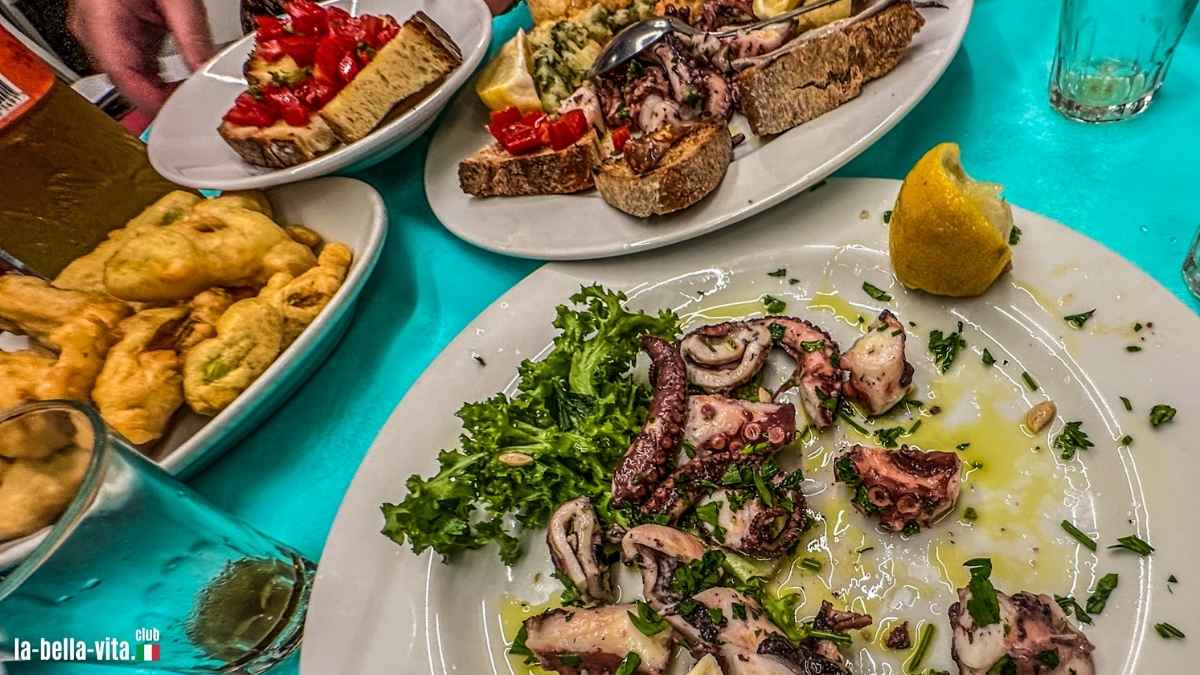
A portion of antipasti that tasted really good
From our editorial team
Eating in Italy is more than just eating. It is part of everyday life - and often a loud ritual. People talk, gesticulate and interrupt each other. Not out of rudeness, but because life is also sitting at the table.
A plate of pasta can be a conversation starter, a consolation, a starting signal for the weekend. And it doesn't have to be able to do much - the main thing is that the tomatoes were ripe, the oil is good, and Nonna has flavoured.
No show effects at the cooker
Italian cuisine is love. No spectacle, no posturing. It has nothing to prove - it is felt. Your food is a sanctuary. It is not simply served - it is celebrated. Not because it's chic, but because food is culture. And because it always has been in Italy.
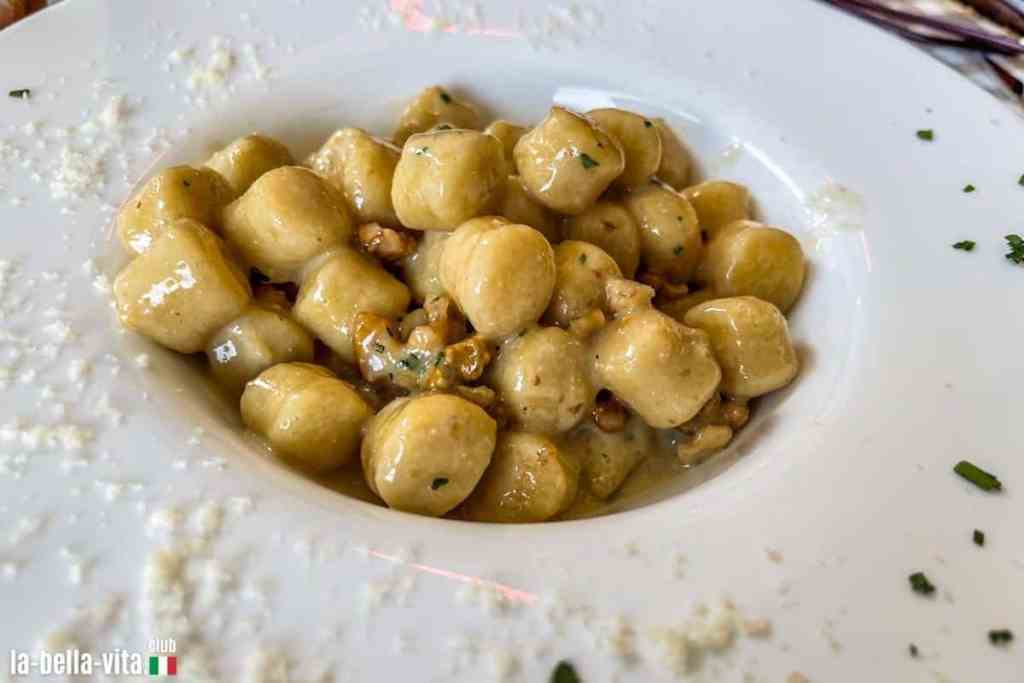
The best quotes from the godfather
Formerly poor people's food, today "authentic"
Many classics of Italian cuisine originate from the cucina povera - the "poor man's kitchen", which at some point developed into a virtue out of necessity. Old bread leftovers, a few beans, some cabbage: that's what became ribollita. Or pasta e ceci, the chickpea soup with noodles that is popular in central Italy. Very tasty, even without a lot of money.

What makes this kitchen strong is not its simplicity, but its self-confidence. It knows what it can do - and what it can leave out. No sauce needs ten ingredients if you have the right three.
*Ad Beautiful pasta plates in stoneware look - Amazon
Experience with love
Cooking in Italy is rarely a question of recipes. It's more about experience. A feeling for when there is enough salt in the water, when the dough has the right consistency or how long the onions still need. Quantities are a guide at best - when in doubt, it's gut instinct that decides. And in Italy, that's apparently something you're born with.
This knowledge is usually passed on casually - at the kitchen table, while helping out, while watching. Every family has its own routines, every region its own peculiarities, and you don't have to travel far to realise it: What is standard in Apulia is exotic in Veneto. This is precisely where Italy's culinary diversity lies.
Why you'll fall in love with southern Italy
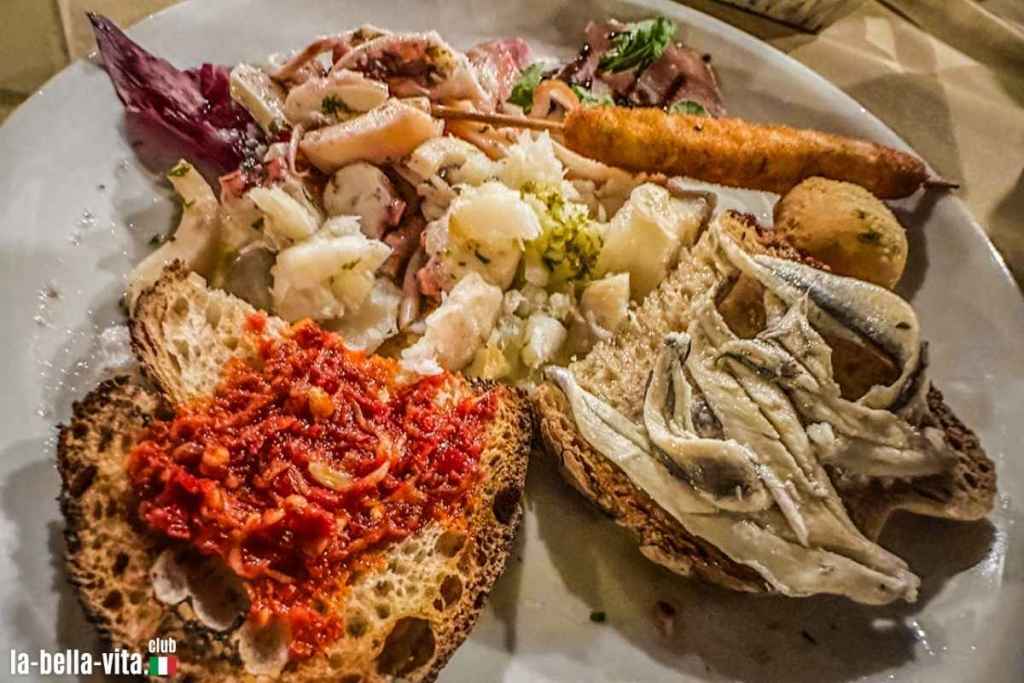
Eating is sociable
In Italy, people rarely eat alone. Even a quick lunch becomes a small event where people not only eat, but also talk. A table, a few plates, a glass of wine - that's all it takes to create something that lasts.
Sustainable is normal
Seasonality is not a principle in Italy, but the norm. You eat what is available. Tomatoes in summer, mushrooms in autumn, artichokes in spring. People taste, talk shop and laugh at the markets. And you often know who made the cheese - or how old the goat was that produced the sausage. Perhaps this is exactly what makes Italian cuisine so special: the fact that it doesn't strive for perfection, but for authenticity. That it doesn't want to please - but is there.


