

Fornelli in Molise Photo: stock.adobe.com/photomaticstudio
From our editorial team
Tuscany is the favourite Italian travel destination. With its rolling hills, cypress avenues and Renaissance towns, it epitomises the cliché of the Italian place of longing. But foreign beauties are following.
Although Tuscany has not lost its charm, other parts of the country are rapidly catching up - both with international visitors and in the perception of Italian tourism agencies. Some places are specifically promoted, while others impress with their charm, cuisine or scenic diversity - and word seems to have got around over the years: Italy's diversity is greater than many realise. Here are five regions that are currently among the most exciting alternatives:
1st Marche: The gentle unknown on the Adriatic

Photo by Geert Rozendom on Pexels.com
The Marche region is often referred to as "Tuscany without the tourists". Gentle hilly landscapes, medieval towns such as Urbino (a World Heritage Site) and Ascoli Piceno (the town of a hundred towers), plus a 180-kilometre-long Adriatic coastline with picturesque bays: The whole package is just right. There is also excellent regional cuisine with game, truffles and excellent wines such as Verdicchio.
*Advertisement 3 Italy adapters € 8.99 / Amazon
What makes the Marche region attractive is that tourism here is being developed gently and sustainably, with a lack of large hotel castles and a predominance of family-run agriturismi and small boutique hotels. If you are looking for authenticity, you will find it here - even in spring and autumn.

How Italy eats from north to south
2. basilicata: from insider tip to it-point

Photo by Daniele Falamesca on Pexels.com
Just a few years ago, even many Italians would have struggled to find Basilicata on the map. Today, the region is considered an up-and-coming cultural destination - at least since Maratea was named European Capital of Culture in 2019. The city with its cave dwellings, the Sassi, has changed the region's image.
*Ad Rustic olive wood pizza board € 79.99 / Amazon
Basilicata is ideal for anyone who appreciates spectacular nature, old villages and a certain ruggedness. The combination of coastline with places like Maratea, mountains like the Pollino National Park and history like the village of Craco is unique. There is also a culinary scene that focuses on quality rather than the Instagram factor. Those who find Puglia too touristy will often be happy in Basilicata.

Why Italians talk with their hands
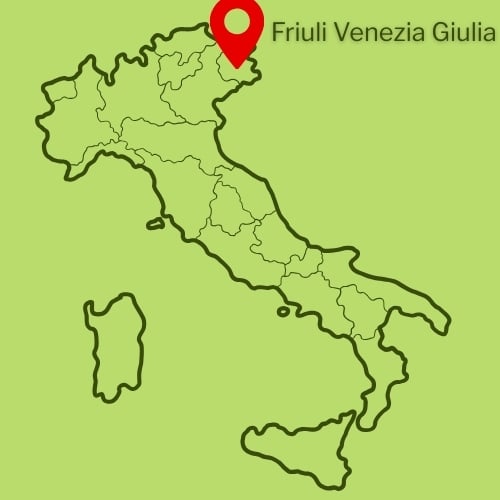
3 Friuli-Venezia Giulia: Where Italy meets Central Europe

Photo by Matteo Gerolami on Pexels.com
In the far north-east of Italy lies a region that combines Italian, Austrian and Slavic influences like no other. Friuli-Venezia Giulia is a melting pot of cultures - and a treasure for anyone who enjoys travelling off the beaten track.
*Advertisement National Geographic Italy 45 € / Amazon
Cities such as Trieste, Udine and Cividale del Friuli offer plenty of history, coffee house culture and a surprisingly young cultural scene. The Alps in the north attract hikers, the coast near Grado or Lignano more bathers. Friuli is a top culinary destination (polenta, San Daniele ham, orange wines) and is becoming increasingly popular with German-speaking visitors in particular - also due to its proximity to the border.
Maradona and Naples: an undying love
4 Molise: The forgotten centre
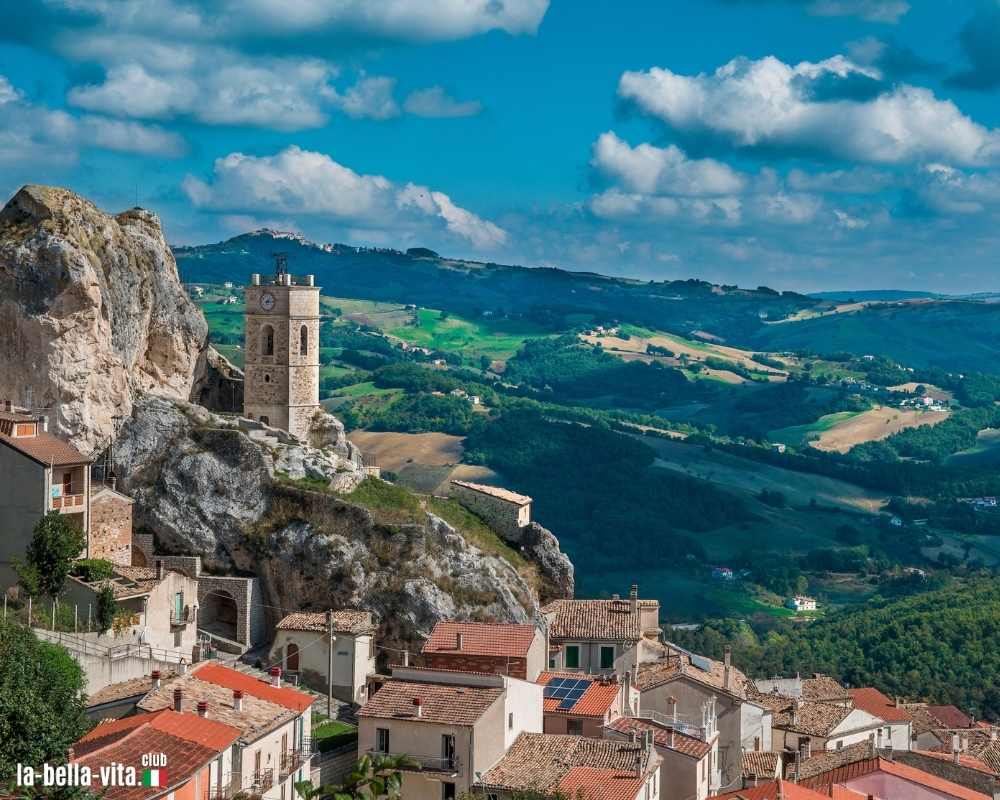
Photo: stock.adobe.com/michele
Italian online humour knows the phrase: "Molise doesn't exist." An ironic allusion to the fact that this small region between Abruzzo and Apulia hardly appeared on any tourist map. But that is exactly what is changing.
*Advertisement Beach umbrella with UV protection € 19.99 / Amazon
Molise impresses with its solitude, unspoilt nature and plenty of room for discovery. The gentle hilly landscape is reminiscent of Tuscany 50 years ago. Villages such as Agnone or Bagnoli del Trigno have their own rhythm. Molise is a real insider tip for slow travel, hiking, old craftsmanship - e.g. the oldest bell foundry in the world - and regional cuisine. And the region now knows that it can capitalise on this - without selling out.

Italy: Where people grow the oldest
5 Calabria: Wild coasts, strong identity

Photo by Super Savvy Travelers on Pexels.com
For a long time, Calabria was the "end of the world" - right at the bottom of the boot, off the beaten track. However, the region is now developing into a true natural and culinary paradise. The Tyrrhenian Sea on one side, the Ionian Sea on the other, with mountains such as the Aspromonte or the Pollino in between: Calabria is wild, untamed - and breathtakingly beautiful.
*Advertisement Aluminium walking poles from € 27 / Amazon
In towns such as Tropea or Scilla, you can experience Italian coastal flair without the price explosions of Amalfi or Cinque Terre. The cuisine is spicy, honest and original - with specialities such as 'Nduja or Pecorino Crotonese. Calabria is certainly not a luxury destination, but one for explorers with curiosity.




superb! International Community Expresses Concern Over [Threats to Democracy] 2025 cute