

Lemons on the Amalfi Coast in luscious splendour and in bloom Collage: Getty Images/ Queensworld & Stroeby via canva.com
From our editorial team
Cologne - A light breeze carries a floral scent over the steep hills of the Amalfi Coast, the sea glistens in the morning sun and bees buzz busily around the flowers. The Italian spring smells of lightness and joie de vivre.
The Bel Paese is slowly awakening after hibernation. The lemon blossom symbolises the freshness that this time of year brings. Five Italian regions where this time of year is particularly beautiful:
1. The Amalfi Coast: lemons on the cliff

If there is one place where lemons are part of the lifestyle, then it is the Amalfi Coast. Even the name of the famous "Sfusato Amalfitano", the region's unique lemon variety, gives an idea of its exclusivity. Here, the fruit grows on terraced fields that stretch like giant staircases along the steep coastal slopes.
In spring, the lemon groves come to life. The scent of the flowers mingles with the salty sea air, and every breath you take is like a little holiday. Even in hotspots like Positano, where you can only push your way through in summer, life is slowly coming back to life. Local providers offer guided tours of their own lemon groves and special lemon menus.
2. Limone sul Garda: the name says it all

The name says it all: Limone sul Garda is a little paradise for lemon lovers. Here, on the shores of glistening Lake Garda, lies one of the northernmost regions in Europe where lemons thrive. The secret? A special microclimate created by the combination of lake and mountains.
The blossom season is wonderful for walks along the lakeside promenade. Historical insights into traditional lemon growing can be found in the Limonaia del Castelthe town's most famous greenhouse, which has been extensively renovated. The museum is free of charge until the end of March, from April it costs 2 euros, with tasting 5 euros.
3. Sicily: Lemon blossom in the shadow of Mount Etna
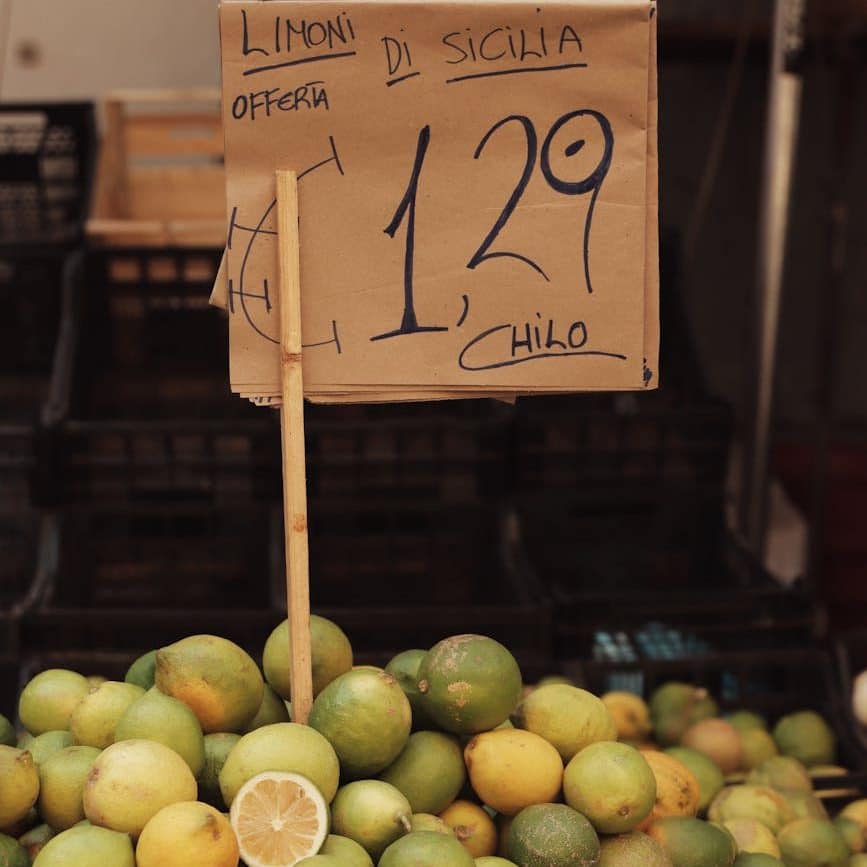
Two thirds of Italian lemons come from Sicily. Here, the fruit grows on fertile volcanic soil, which gives the lemons a particularly intense flavour. The blossoming season in spring transforms the landscape into a fragrant experience.
The lemon groves around Catania and Syracuse are impressive. Here you can not only enjoy the blossoms, but also traditional products such as granita al limone, a sour and refreshing homemade lemonade. The fertile plateau in the "golden basin", the "Conca d'Oro" near Palermo, was once one of the richest areas thanks to lemon cultivation. You can combine your visit with a hike on Mount Etna, where the lemon blossoms and lava fields create a unique backdrop.
4. The Riviera dei Fiori: lemons and flowers
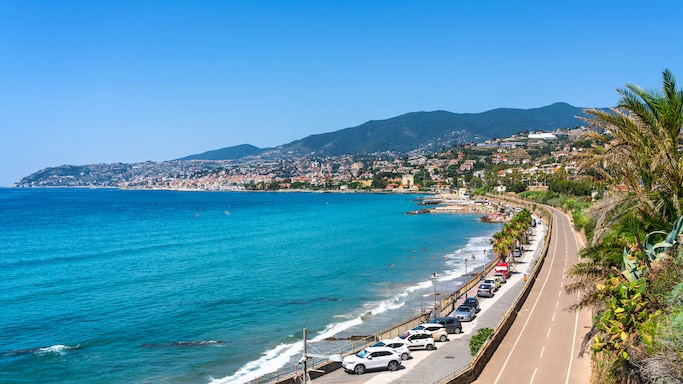
The Ligurian coast, also known as the Riviera dei Fiori, the Riviera of Flowers, is another hotspot for lemon lovers in Italy. In places like Sanremo or Albenga, lemon groves bloom in spring alongside countless fields of flowers. We particularly recommend the Sanremo Flower Festival, which celebrates spring in mid-March - this year on 16 March 2025 - with a large parade and works of floral art.

5. Capri: lemon island with style

Capri is also known in summer for the international chic crowd, but the island also has a very down-to-earth side. Lemons play an equally important role here. The island in the Gulf of Naples is famous for its huge lemons, which are often as big as grapefruits.
In spring, you can explore the lemon groves, which are often hidden among the elegant villas and cliffs. Local specialities such as lemon tart are available all year round. And while you're on Capri, you can also stroll through the artistically designed "Gardens of Augustus". The German industrialist Friedrich Alfred Krupp had them laid out at his holiday home. Here you have a wonderful view of the famous Faraglioni rocks of Capri.


More stories from Italy






The lemons of Amalfi: a piece of sunshine with an unmistakable character

There are lemons, and then there are the lemons of Amalfi. They are more than just a fruit - they are a symbol of the region, a piece of culture and, above all, a flavour revelation. Anyone who has ever savoured the scent of a freshly picked Amalfi lemon knows why this fruit is so legendary.
The Amalfi lemon, also known as the "Sfusato Amalfitano", is a far cry from the typical supermarket lemon. Its size is impressive: it is larger, its skin thicker and its flavour less sour, but surprisingly sweet and intense. Its home is the steep, terraced coastal landscape of the Amalfi Coast, where these lemons have been growing for centuries. What makes this fruit so unique? The answer lies in the combination of the Mediterranean climate, fertile soils and the elaborate care taken by local farmers.
A history that stretches back to antiquity
The Amalfi lemon has a long tradition. Lemons have been cultivated on the Amalfi Coast since ancient times. Originally from Asia, the fruit was brought to the region by sailors. Over time, cultivation techniques were refined and lemons became an integral part of the local cuisine and culture.
Amalfi lemons experienced a real boom in the Middle Ages when their healing properties were discovered. Sailors particularly appreciated them as they were effective against scurvy - a disease caused by vitamin C deficiency.
Tradition on steep terraces
Growing Amalfi lemons is not for the faint-hearted. The trees grow on terraced fields nestled against the steep cliffs of the Amalfi Coast. It is arduous work that is done almost exclusively by hand. Experience counts here.
The terraces themselves are an architectural masterpiece. They were created over centuries and secured with small stone walls. These prevent the valuable soil from slipping into the sea. Each tree is carefully tended to ensure that the full flavour is preserved. Just one Amalfi lemon can fill an entire room with its intense, sweet, citrusy flavour. The flavour is a balance of acidity and sweetness that is unparalleled in the world of lemons.
The lemon in the kitchen
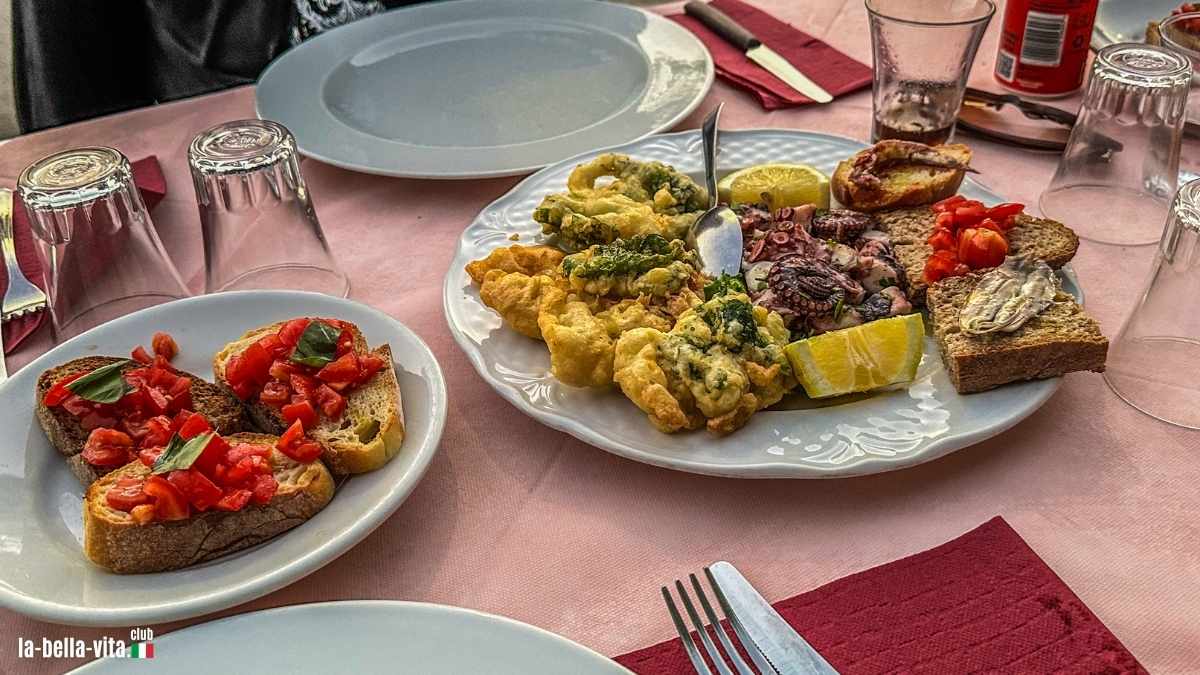
Amalfi lemons are an indispensable part of Italian cuisine. Its juice and zest add an unmistakable flavour to dishes. Here are some examples of how the lemon is used in the region:
- Limoncello: The famous lemon liqueur from Amalfi is not only a delight, but also a symbol of the region.
- Risotto al Limone: A creamy lemon risotto with a fresh flavour that goes perfectly with fish dishes.
- Lemon tart: A sweet temptation that allows the Amalfi lemon to unfold its full sweetness and flavour.
- Pesce al Limone: Fish dishes marinated with lemon juice and zest are among the highlights of regional cuisine.
In addition to their culinary value, Amalfi lemons are also real health boosters. They contain large amounts of vitamin C, which strengthens the immune system. Antioxidants help to fight free radicals and the fibre aids digestion. Another plus point: the essential oils in Amalfi lemons have a mood-enhancing effect - a natural aromatherapy.


