
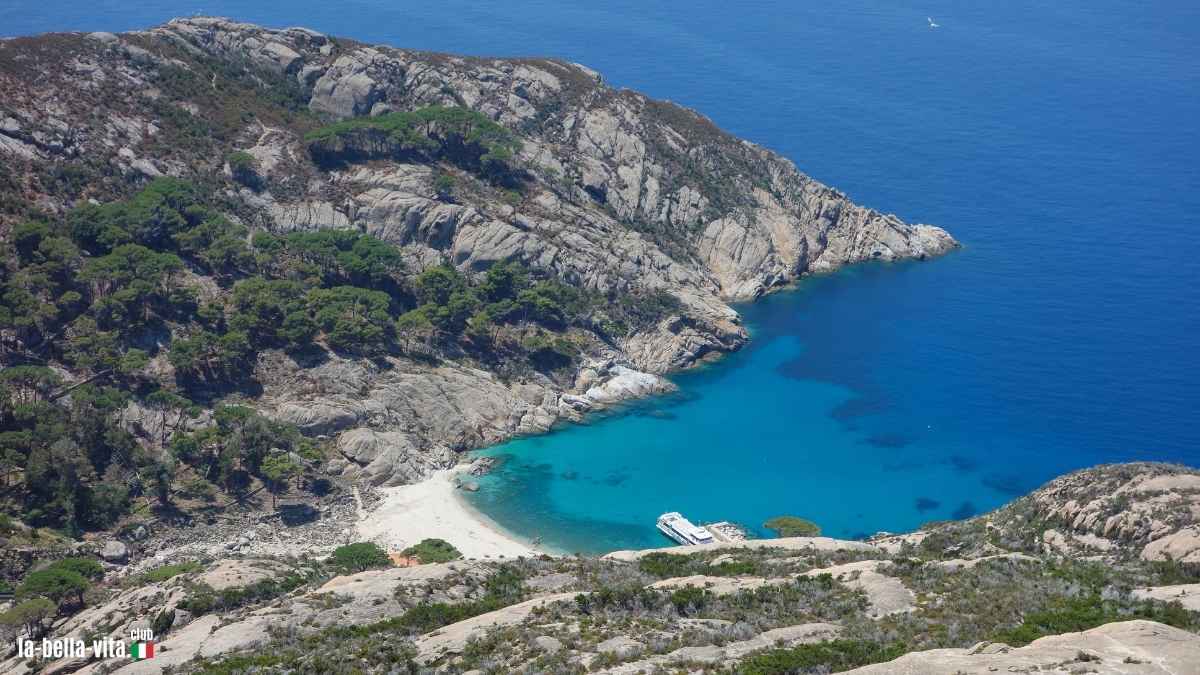
The Cala Maestra on Montecristo Photo: stock.adobe.com/alarico73
From our editorial team
Montecristo - even the name sounds like an adventure, treasure hunt and pirate film. If you want to go here, you need a licence - and patience.
The small rocky island in the Tyrrhenian Sea - between Corsica and the Tuscan Mainland - is famous from Alexandre Dumas' novel "The Count of Monte Cristo". Only 2,000 people a year are allowed to visit. Ten square kilometres of granite, a few ruins, no roads, no inhabitants - and a strictly protected place in Italy.
Strict allocation of visitor authorisation
The Tuscan Archipelago National Park is responsible for issuing visitor permits. The application process is formal: visitor slots are released at the beginning of the year and are usually booked up very quickly. Access is exclusively via guided day visits, which are limited to the few time slots available each year.
Strictly protected nature reserve
Montecristo has been under strict nature conservation since 1970. The aim is to permanently preserve the island's unique flora and fauna. The vegetation is typically Mediterranean: rosemary, rock roses, heather, juniper and evergreen pines cover large parts of the rocky terrain. The island is particularly famous for its population of wild Montecristo goats - a robust, island-specific species. Rare migratory birds also use Montecristo as a stopover.
The breeding seasons of the birds determine the visiting period: excursions are only permitted from 2 March to 15 April and from 15 May to 31 October. In the weeks in between, the island remains completely closed.
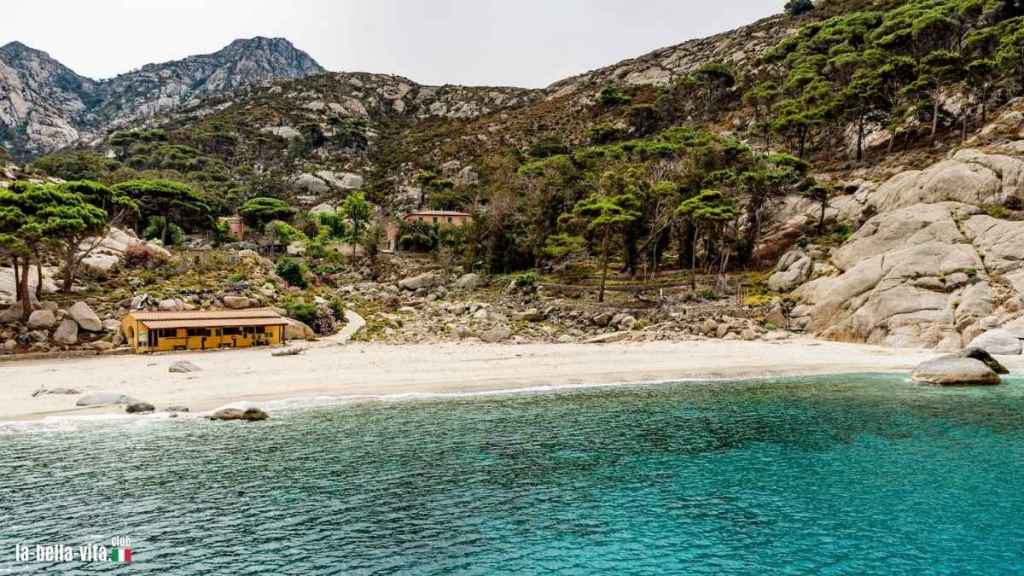
Photo: stock.adobe.com/AlexMastro


No tourism in the classic sense
There is no tourist infrastructure on Montecristo. No hotels, no cafés, no sanitary facilities. Visitors to the island must bring their own food, water and sun protection. There are no overnight stays - visits end in the late afternoon. Hikes are also clearly regulated: Visitor groups are only allowed to walk on marked paths so as not to disturb the sensitive vegetation.
- Insider tip Trieste: Between coffee house and coast
- 5 railway lines that are more beautiful than any motorway
Ad
🇮🇹☀️ Perfect for your beach day in Italy: this super large one, sand-free Beach blanket (210 × 200 cm) from SKYREH accompanies you relaxed to the sea. ➔ [Discover here at Amazon]
A place with history
Montecristo was uninhabited for centuries, but was occasionally inhabited by hermits and later by monks. The monastery of San Mamiliano was once a place of seclusion and retreat. In the 19th century, the island became the property of the Italian royal family and was used as a hunting ground. Later it was under the administration of the Italian state. The only harbour is Cala Maestra on the west coast.
Legends about a treasure
Archaeological evidence suggests that Montecristo may also have served as a refuge for pirates and smugglers. Its secluded location, difficult-to-access rocky coastline and strategic position between the sea trade routes made the island attractive to pirates - just like other islands in the Tuscan Archipelago.
According to legend, monks from the San Mamiliano monastery even hid a treasure in the 16th century to protect it from robbers - a motif that Alexandre Dumas later picked up on and embellished in his novel "The Count of Monte Cristo". Whether there ever was a treasure is uncertain. What remains is the myth of an island full of stories - somewhere between reality, legend and fiction.
Ad
🇮🇹☕ What would a real espresso be without the right cup? Get that bar feeling right at home! ➔ [Discover here at Amazon]


