

Parmesan and Grana Padano Collage: stock.adobe.com/august.columbo&Massimo Gennari
They look similar, both come from northern Italy, mature for a long time and enhance pasta, risotto and salads with their flavour: what are the differences between Grana Padano and Parmigiano Reggiano?
As similar as the two traditional cheeses may seem at first glance, there are sometimes significant differences in origin, production, flavour and price. Anyone who tastes (and looks) more closely will quickly realise that not all "Parmesan" is the same.
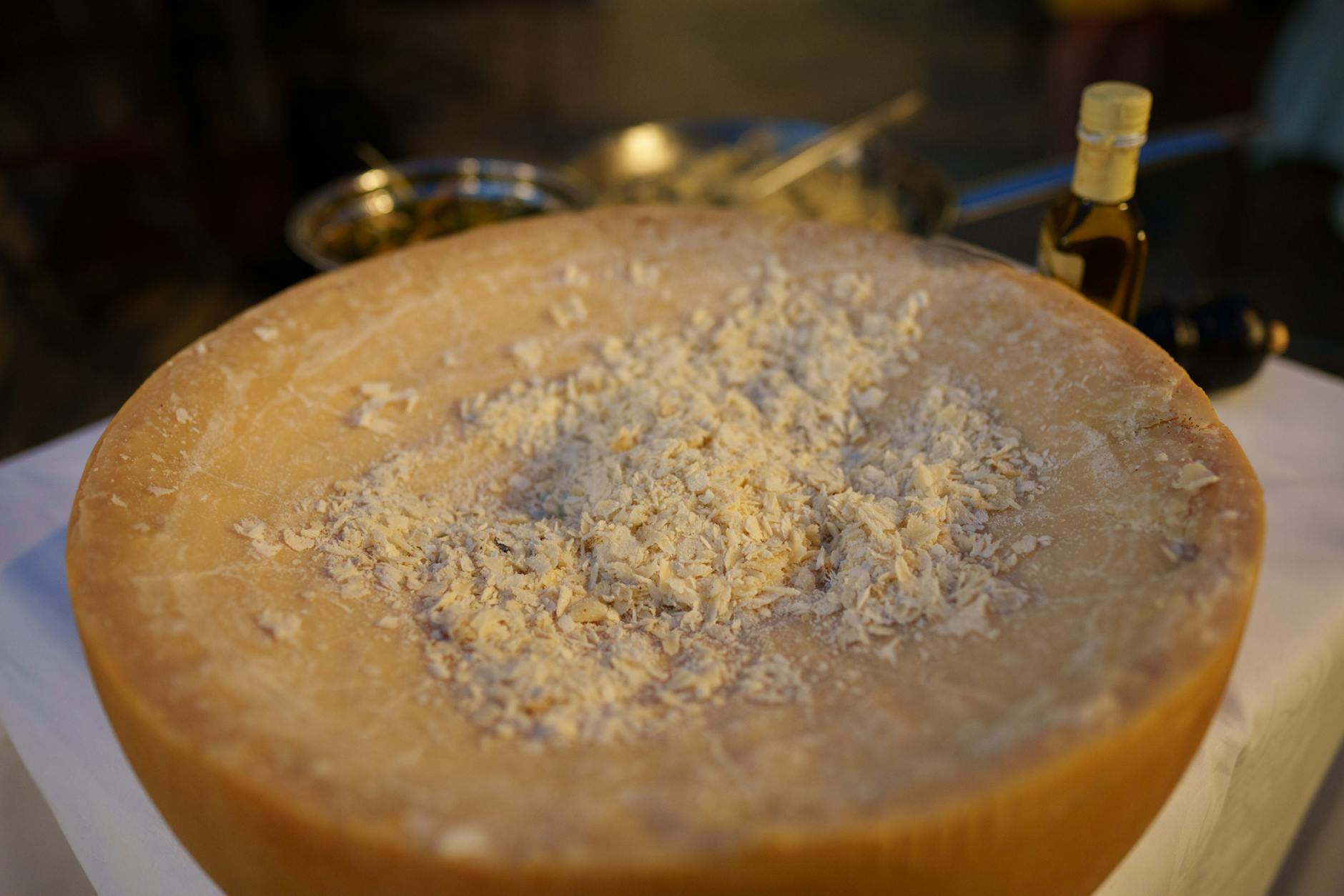
Photo by Boris Ivas on Pexels.com
- The big pasta quiz: Can you recognise all the pasta?
- 10 basics so you don't stand out in the restaurant
Origin and region
Both cheeses originate from the north of Italy, but differ in their geographical origin. Grana Padano is produced in a large part of the Po Valley, including regions such as Lombardy, Veneto, Piedmont and Trentino. Parmigiano Reggiano, on the other hand, can only be produced in a strictly limited area - namely the provinces of Parma, Reggio Emilia, Modena, parts of Bologna (west of the Reno river) and Mantua (east of the Po). This origin is protected throughout Europe by the D.O.P. labelling (Denominazione d'Origine Protetta).
Milk quality and feeding
A major difference lies in the milk and the feeding of the cows. For Grana Padano, the use of milk from animals fed with silage (fermented feed) is also permitted. For Parmigiano Reggiano, on the other hand, silage is prohibited - here the dairy cows are fed exclusively grass and hay, which has a long-term effect on quality and flavour.

Photo by Joerg Hartmann on Pexels.com
Ad
🇮🇹☕ What would a real espresso be without the right cup?
These original Italian espresso cups turn every sip into a little celebration. Bring the bar feeling straight to your home! ➔ [Discover here at Amazon]
Production and additives
There are also differences in production. Grana Padano is made from milk from two daily milkings and may have the enzyme lysozyme (a natural preservative) added. Parmigiano Reggiano is more demanding: no lysozyme is used and it is made with pure raw milk from just one milking. Additives are strictly forbidden.
Maturation time and consistency
The ripening time also plays a major role. Grana Padano matures for at least 9 months, but can also be stored for up to 36 months. Parmigiano Reggiano, on the other hand, has a minimum maturing time of 12 months, while many cheeses mature for 24 or even over 36 months. The longer the cheese matures, the more intense its flavour - and the more crumbly and crystalline its structure.
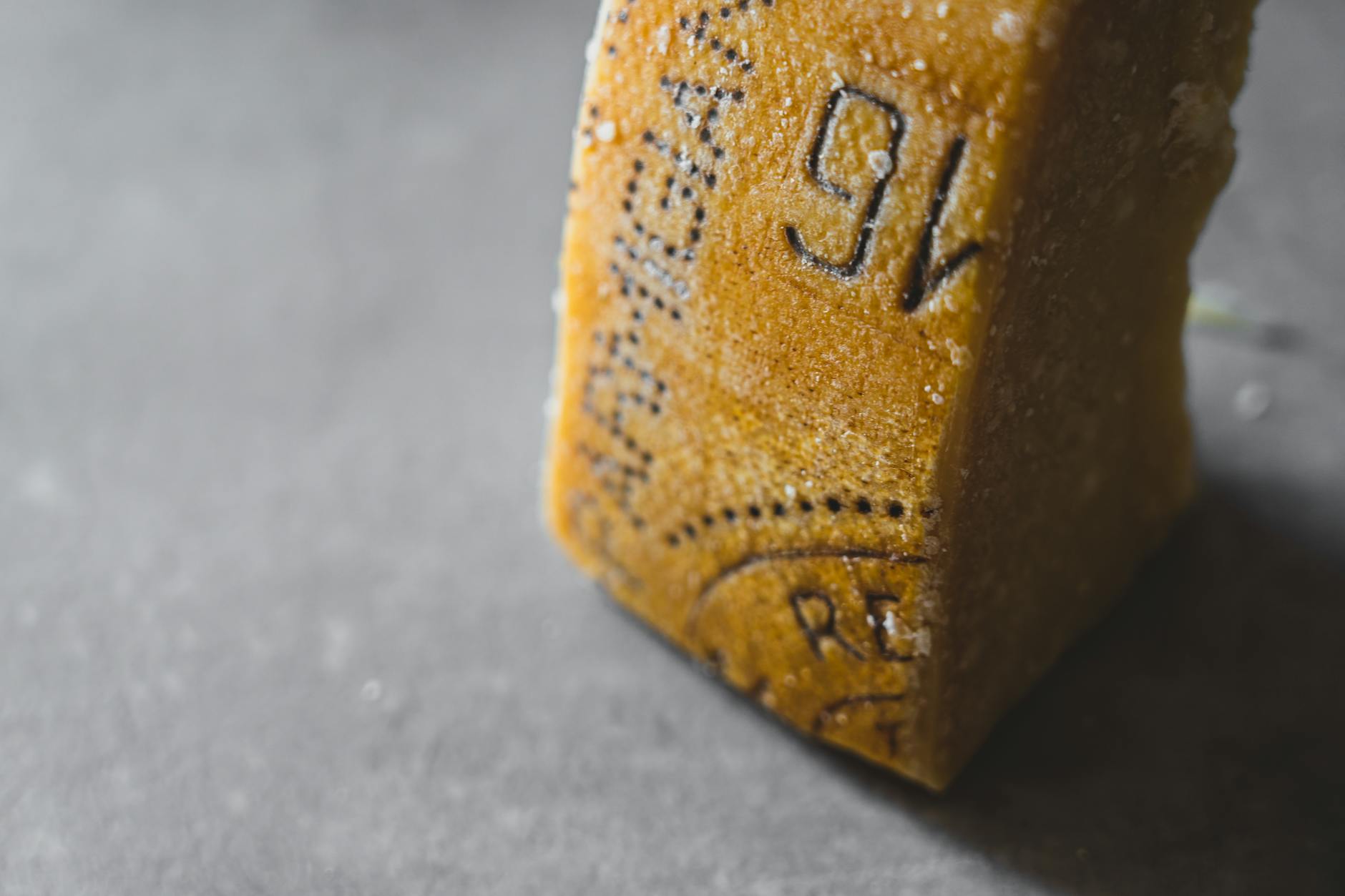
Photo by Castorly Stock on Pexels.com
Ad
🏖️💶 Travelling safely on the beach: Looks like sun cream, but is a clever hiding place for keys, cash or small valuables! ➔ [Discover the beach safe on Amazon here]
Flavour and use
The flavour of Grana Padano is milder, more delicate and slightly buttery. Parmigiano Reggiano, on the other hand, develops a complex, full-bodied flavour, especially when matured for longer. The consistency of Grana Padano is also grainy, but somewhat softer, while Parmigiano is much more crumbly and drier.
- The big Mangiare quiz: How good is your Italian flavour?
- Five Italian everyday rituals that make life better
Price and quality
Due to the stricter rules, the longer maturing period and the more exclusive origin, Parmigiano Reggiano is generally more expensive than Grana Padano. The production companies also differ: those who produce Parmigiano Reggiano are only authorised to make this cheese. In the case of Grana Padano, production is also permitted in cheese dairies that offer several varieties.


