

A quick espresso in Milanese Capo in B is a speciality from Trieste Photo: stock.adobe.com/ TTLmedia
In Italy, coffee is never just coffee. Whether Trieste, Turin or Naples - every city has its own rituals and preferences when it comes to the little black pick-me-up.
Italy is one of the biggest coffee consumers in Europe: on average, every Italian drinks around 3 to 4 cups of espresso a day. Yet coffee is more than just a pick-me-up here - it is a miniature of regional culture: from Trieste to Palermo, there are subtle differences in how a "caffè" is ordered and drunk.
Trieste: Coffee the Habsburg way

Photo: stock.adobe.com/ TTLmedia
In Trieste, the coffee capital of Italy, the influence of the old Habsburg monarchy can still be felt. If you want a simple espresso here, order a "Nero". A "Capo" is a small espresso with a little milk foam, the "Capo in B" is also served in a glass. Due to the Central European tradition, you can also find filter coffee-like preparations in Trieste, which are rather unusual in the rest of Italy. To this day, the city has more coffee roasters than any other region in Italy.
- The big Mangiare quiz: How good is your Italian flavour?
- Five Italian everyday rituals that make life better
Turin: home of the layered coffee

Photo: stock.adobe.com/Morenovel
Turin is the home of the bicerin - a traditional speciality in which hot chocolate, espresso and cream are carefully layered on top of each other. The drink originated in the 18th century in the cafés around Piazza della Consolata. The layers are drunk without stirring first.
Ad
🇮🇹☕ What would a real espresso be without the right cup?
These original Italian espresso cups turn every sip into a little celebration. Bring the bar feeling straight to your home! ➔ [Discover here at Amazon]

Naples: coffee as a small ceremony

Photo: stock.adobe.com/pfeifferv
In Naples, espresso is a social act. It is drunk standing up at the bar, but people often stay for a chat with the barista or other guests. The espresso itself is particularly strong. However, some bars add sugar during the brewing process, which gives the coffee a certain sweetness. Another Neapolitan ritual is the "caffè sospeso": If you order an espresso, you pay for two - one for yourself and one for someone who perhaps can't afford one.
Rome: Espresso as a daily ritual
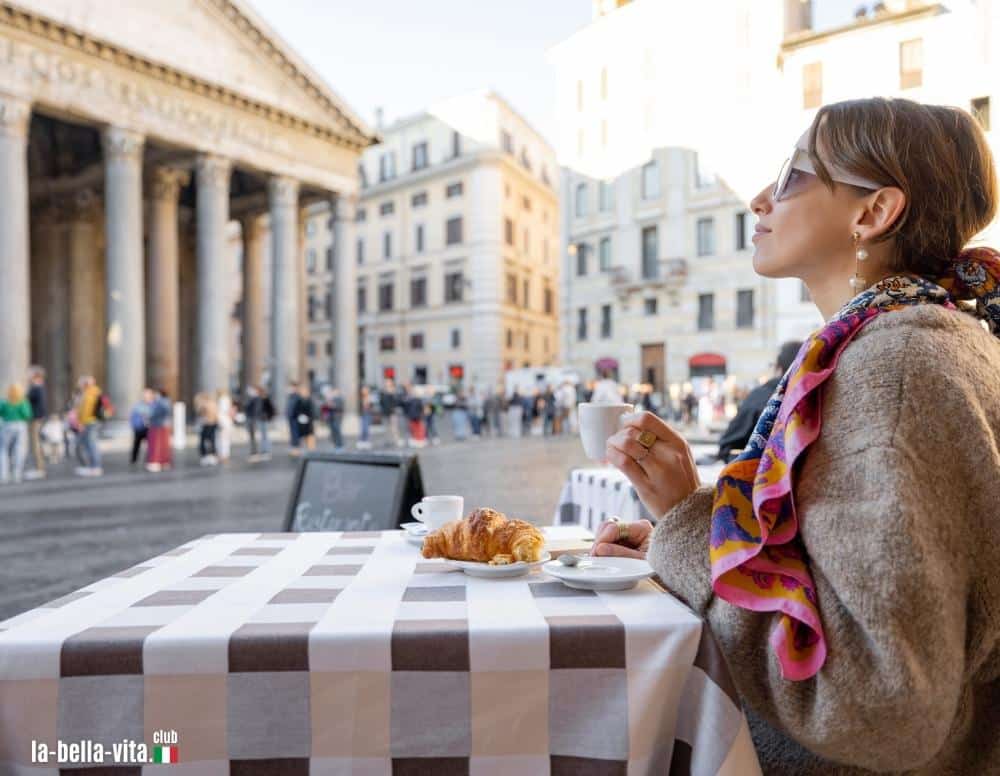
Photo: stock.adobe.com/rh2010
Rome loves a quick treat. An espresso after lunch is considered good form here, while a cappuccino is strictly a breakfast drink. If you order milk foam after twelve o'clock, you will occasionally receive an indulgent smile - or a very polite nod. In the bars around the Roman piazzas, it's not the speed that counts, but the little moment of pause that the "caffè" allows.
- The longing for Tuscany - and what's really behind it
- The 60-second quiz: How quickly can you recognise Italy?
Milan: elegance at espresso speed

Milan is the stage of elegance and efficiency. Here, a visit to the café runs like a well-rehearsed choreography: get the receipt, drink the espresso, hand over the receipt. All within a few minutes. The marble counters gleam, the espresso machines hiss, and those who linger longer than necessary almost seem to have fallen out of time.
Sicily: coffee meets granita
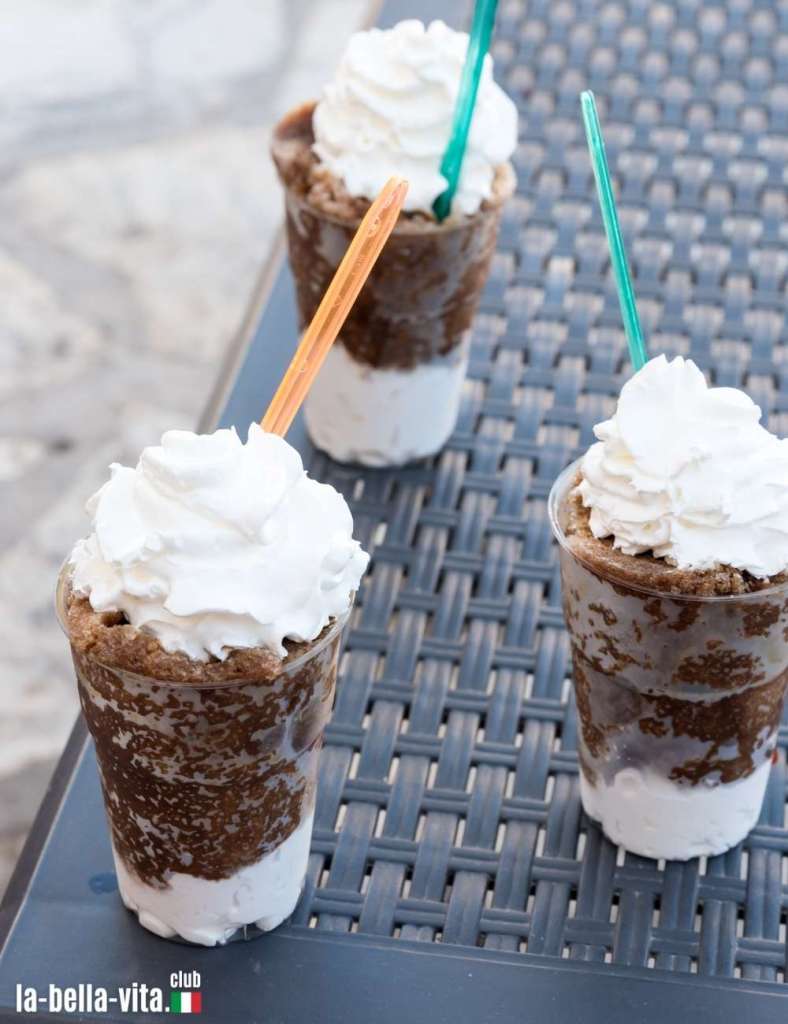
Photo: stock.adobe.com/FPWing
In Sicily, coffee adapts to the climate. Especially in summer, the "Granita di Caffè" becomes a refreshing favourite drink. Semi-frozen, sweet and full-bodied, often served with a topping of freshly whipped cream - a perfect blend of dessert and elixir of life.
- The big pasta quiz: Can you recognise all the pasta?
- 10 basics so you don't stand out in the restaurant
Ad
🇮🇹☕ Italy in a cup - have you found the perfect coffee yet?
Whether it's freshly ground beans or a hearty espresso: with real Italian coffee, you'll taste dolce vita with every sip. ➔ [Discover here at Amazon]


