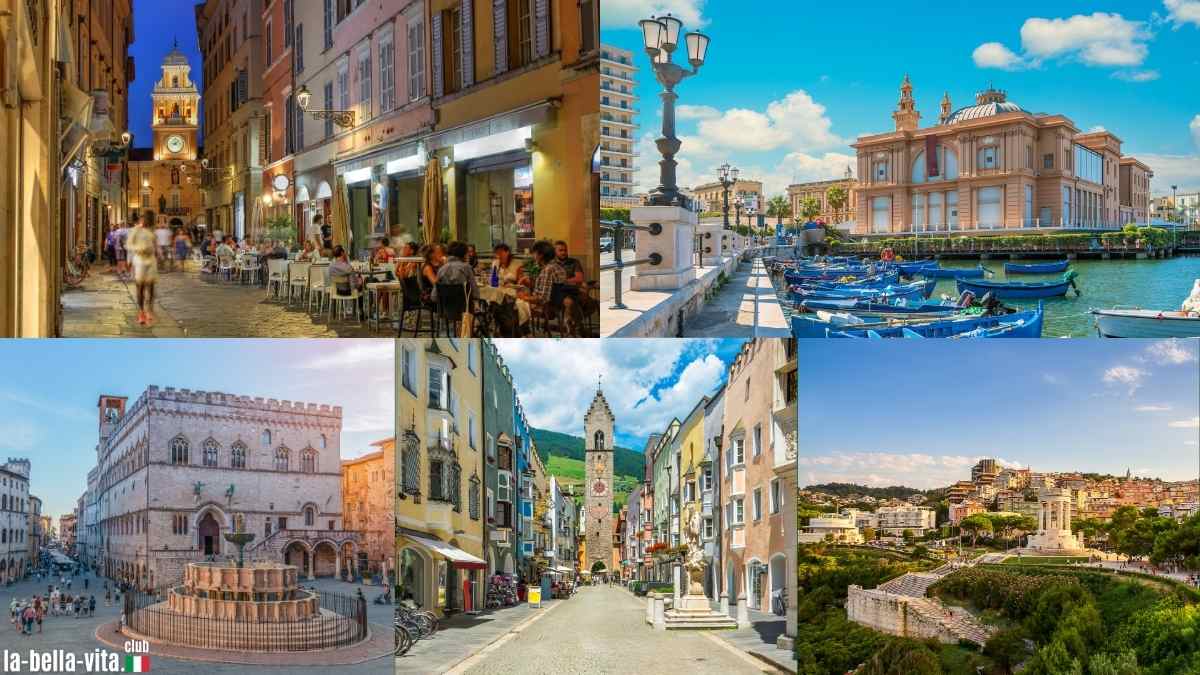
A round trip through Italy: Parma, Bari, Perugia, Trento and Ancona
Photos: stock.adobe.com/e55evu, Bogdan Lazar, SNAB, Artem
From our editorial team
Florence, Rome, Venice and Milan are the bestsellers among Italian city breaks. Year-round season, an international clientele and therefore often higher prices. But Italy - no surprise - has even more to offer. Five cities that are almost an insider tip.
Away from the well-known metropolises, charming old towns beckon, whose winding alleyways can be explored without the crowds. Historical treasures can be found everywhere in Italy - also thanks to the Romans - and the food tastes extra good at normal prices. From north to south: these cities between the Alps and the Mediterranean are particularly worth a visit:
Trento in Trentino
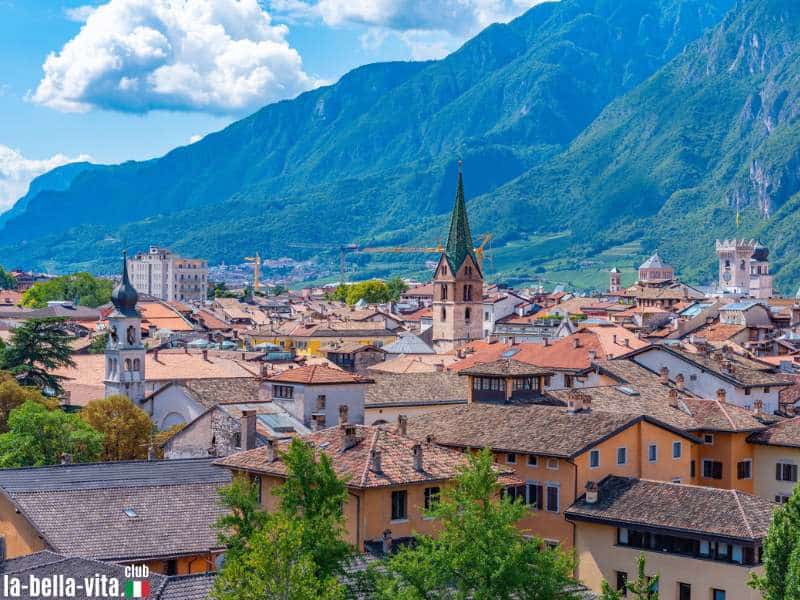
Trento, the capital of Trentino in north-east Italy, combines Italian elegance with Habsburg heritage. The city is nestled between the peaks of the Dolomites and offers a mixture of Alpine tradition and Mediterranean lightness. Anyone strolling through the historic old town will sense the special flair: colourful palazzi, elegant arcades and a touch of Austrian history.
The Cathedral Square with the Fountain of Neptune - the Fontana del Nettuno - is one of the most beautiful squares in Italy and is home to the Cathedral of Trento, the Cathedral of San Viglio. The Council of Trent was held here in the middle of the 16th century and had historical significance for the Counter-Reformation. Right next to it is the Castello del Buonconsiglio, a magnificent castle on a rocky outcrop to the north of the old town centre, which was the seat of the prince-bishops for centuries. Trento also has a lot to offer in terms of cuisine: Specialities such as canederli (dumplings), carne salada (meat salad), torta di patate (potato pancakes) or the famous Trentino wine. The cuisine combines hearty Alpine influences with Mediterranean sophistication. Trento is a good starting point for nature lovers: the Dolomites are right next door and offer countless opportunities for hiking, skiing or simply enjoying the breathtaking mountain scenery.

Parma in Emilia-Romagna

Photo: stock.adobe.com/dudlajzov
Parma is a gem for anyone who loves Italy - and above all appreciates good food and culture. The city in Emilia-Romagna is world-famous for its Parma ham and Parmigiano Reggiano cheese, which are produced using traditional methods. A visit to a ham factory or cheese dairy offers an insight into centuries-old craftsmanship.
Those who love Italian cuisine will be happy in Parma: from Tortelli di Erbette - large tortellini filled with chard, ricotta, parmesan and spices - to delicate sausages, from dried Coppa di Parma to cooked Spalla cotta di San Secondo, cooked ham shoulder from San Secondo, to an opulent selection of cheeses.
In addition to its culinary delights, Parma also boasts a picturesque old town centre. The cathedral has an impressive dome fresco of the Assumption of Mary into heaven by Antonio da Correggio. Next to it is the Baptistery of San Giovanni, an octagonal sacred building with a façade made of pink marble from Verona. The Teatro Regio di Parma is one of the most important opera houses in Italy. The Verdi Festival is dedicated to the great composer Giuseppe Verdi, who was from the region.
Ancona in the Marche region

Ancona, the capital of the Marche region, is located directly on the Adriatic Sea and yet is much less touristy than other Italian coastal towns. In addition to more than 2,000 years of history, the city offers culinary specialities and a beautiful old town on a hill and is one of the most versatile destinations on the coast.
Ancona consists of two parts. The old town is elevated on Monte Guasco, while the modern part with the lively harbour and the Mole Vaniviteliana lies on the coast. The pentagonal Lazzaretto was built at the beginning of the 18th century to protect the stationed groups from epidemics brought in by foreign ships. At the harbour of Ancona you can see the almost 2000-year-old Roman triumphal arch of Trajan. The city's landmark and an important landmark for sailors for many centuries is the Cathedral of San Ciriaco, which is enthroned on a hill, the Colle Guasco, above the harbour. From here you have a spectacular view over the Adriatic. The city's old Renaissance fortress, the Cittadella di Ancona, is located on the neighbouring hill, Colle Astagno. The large park, the Parco della Citadella, is popular with locals.
In culinary terms, Ancona has a lot to offer, especially from the sea: One of the city's specialities is brodetto di pesce, a rich fish soup made with fresh catch from the Adriatic, moscioli, a special type of mussel served in all varieties, including as a pasta sauce, or crescia, a local flatbread served plain, with "foie de campo", combined with green leafy vegetables, sausage or cheese. Just a few kilometres to the south is the Riviera del Conero, one of the most beautiful coastal landscapes in Italy with crystal-clear water, hidden bays and beaches such as the Spiaggia delle Due Sorelle. In the hinterland, you can visit the Frasassi Caves, one of the largest cave systems in Europe and an impressive natural spectacle.
Perugia in Umbria
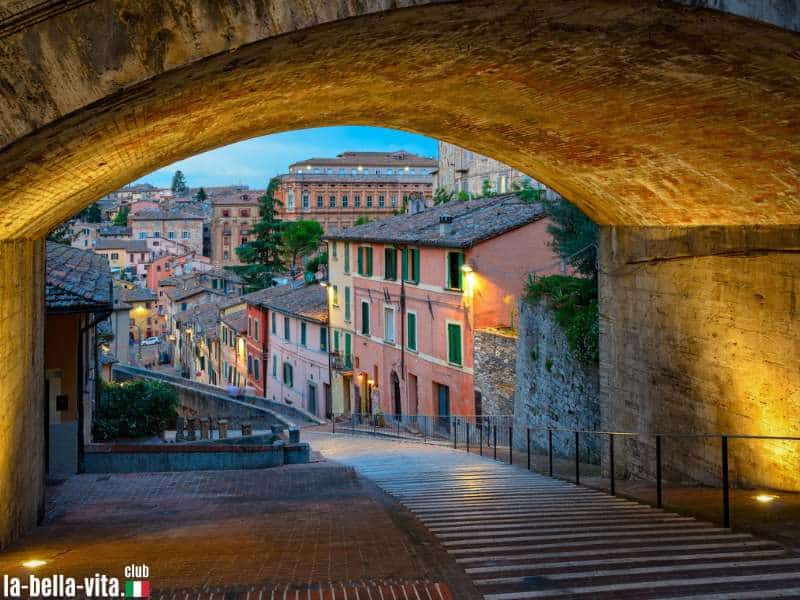
Perugia, the capital of the Umbria region, combines medieval flair with a lively city scene. Perched on a hill, the city offers beautiful views of the green landscape of central Italy and a 3000-year-old history. The picturesque alleyways, historic buildings, student life and, above all, the unique underground city make Perugia a worthwhile destination.
In the 16th century, Pope Paul III had the Rocca Paolina, a massive fortress, built to bring the city under control. Today, you can still walk through the underground medieval corridors - a journey back in time. Above ground, Piazza IV Novembre is a highlight and the social centre of Perugia. The Fontana Maggiore fountain, made of marble and bronze, is fed by aqueducts from Monte Pacino, three kilometres away. The steps of the square become a meeting place for young people, especially in the evening. At the end of the pizza is the Cattedrale di San Lorenzo, whose main façade on Piazza Danti was never completed. The labyrinth of paths in the old town centre is reminiscent of the Etruscan road network, traces of which can still be seen today at the Pozzo Etrusco fountain and the Arco Etrusco, the Etruscan arch.
Perugia is also known as the chocolate capital of Italy. The famous chocolate brand Baci Perugina has its origins here. Europe's largest chocolate festival takes place in Perugia every autumn. If you want to learn more about the sweet tradition, you can visit the Perugina chocolate factory and make your own chocolates. The "Umbrian Sea", Lake Trasimeno, is just 20 kilometres from Perugia.
Bari in Apulia

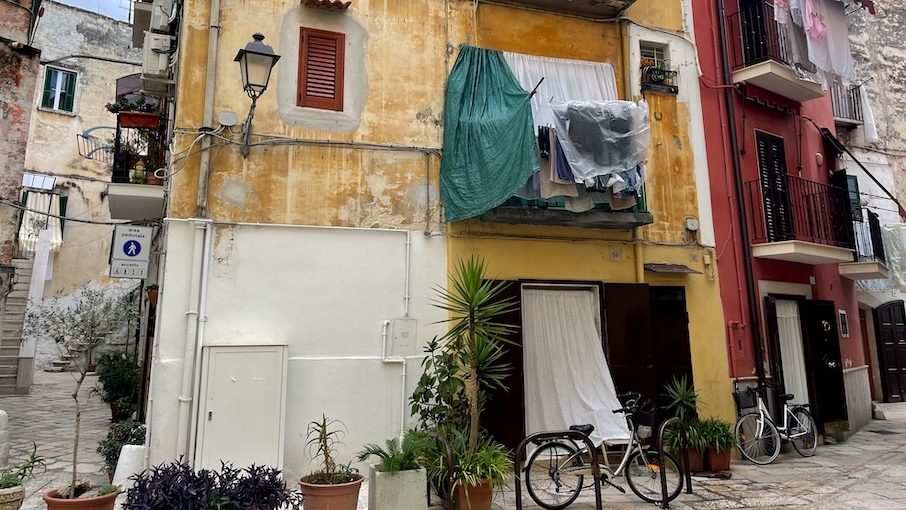
Bari, the capital of Apulia, is a fascinating harbour city that combines Mediterranean lightness with a long history. The absolute highlight is Bari's authentic historic centre, the so-called Bari Vecchia, with its narrow streets where fresh laundry hangs and conversations are still held in the street. It is also home to one of the most important shrines of Christianity: the Basilica of San Nicola, where the remains of St Nicholas rest. The church attracts pilgrims every year, especially from Eastern Europe. In the Strada delle Orecchiette, the street of ear-shaped pasta, women make and sell orecchiette in the open air.
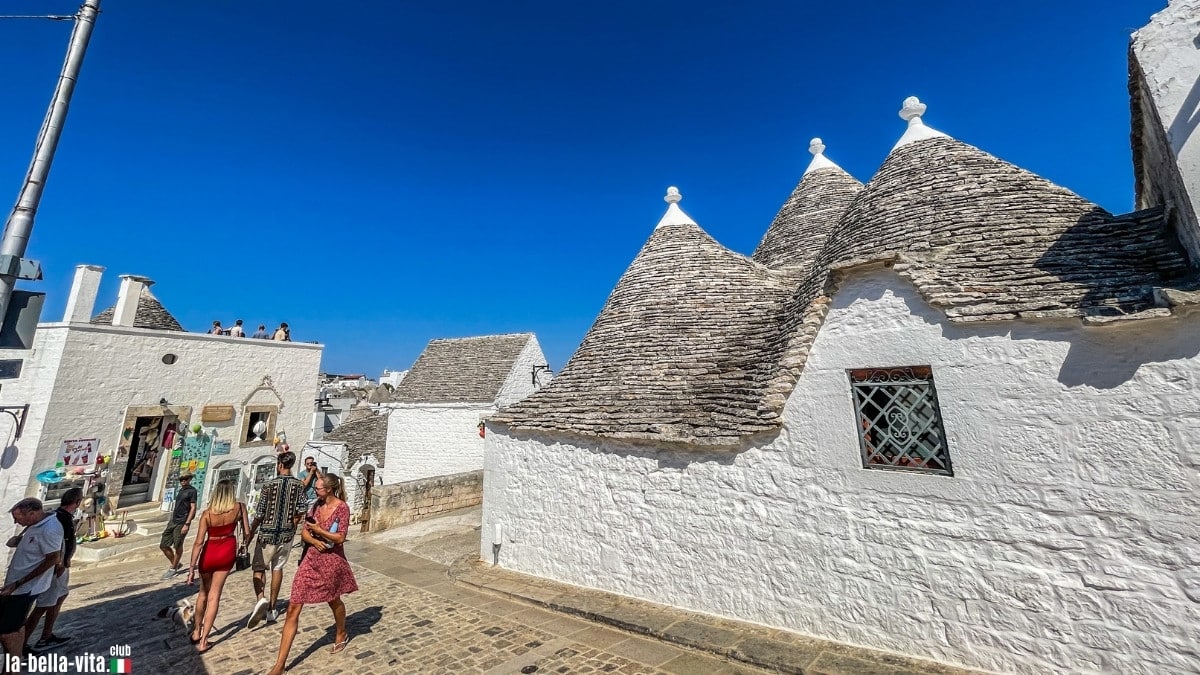
In the morning, you can watch the fishermen arrive at the harbour and go shopping for freshly caught fish. Bari is a paradise for fish and seafood lovers in particular. A traditional dish from Bari is orecchiette con cima di rapa, ear-shaped pasta with stem cabbage and the crispy, fluffy focaccia Barese with olives and cherry tomatoes. Bari is also a good starting point for excursions in the surrounding area - for example to Polignano a Mare, famous for its spectacular cliffs, and the UNESCO-protected town of Alberobello, home to the trulli houses.